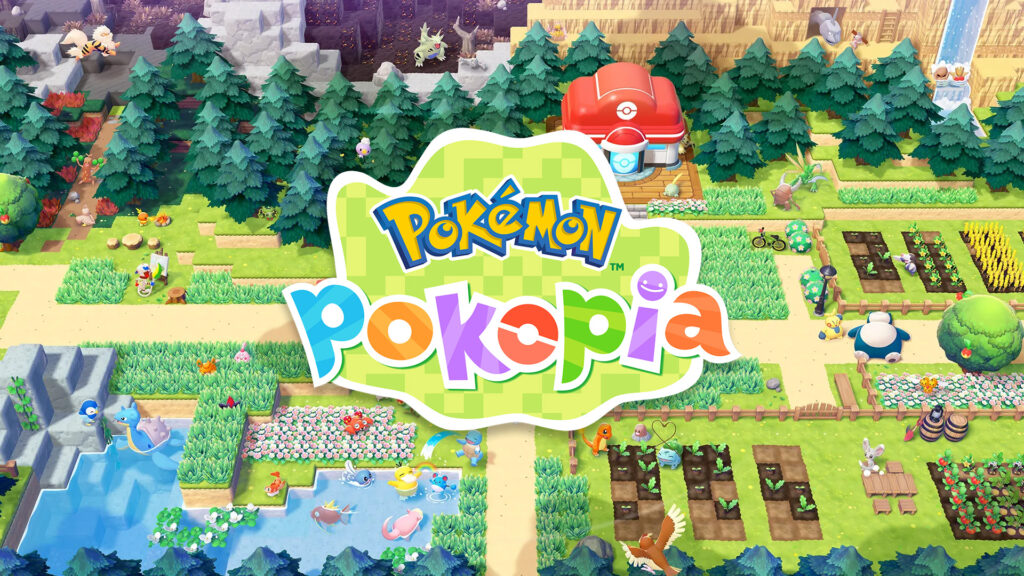

Introduction
Basic information
Developer Name: Game Freak / Omega Force
Full Name: Pokémon Pokopia
Release Date: March 5, 2026
Released on: Nintendo Switch 2
Cross Play: No
Initial thoughts
My wife has really wanted to play Pokémon Pokopia ever since it was announced in the first Nintendo Direct. It looked like exactly the kind of cozy Pokémon spin off that could hit a very specific sweet spot: Pokémon collecting, relaxed building, cute habitats, and the joy of seeing familiar Pokémon live together in a world you help restore. Copies were sold out everywhere, but I managed to snag one for her birthday, and boy was she happy.
At first, the game delivered exactly what she wanted. She devoured it with glee. Finding Pokémon, recognizing them by heart, building little areas, and watching the world slowly come back to life all created that cozy Pokémon magic. This is the kind of premise that can instantly hook a Pokémon fan because it is not about becoming champion again or grinding battles. It is about creating a home for Pokémon.
But then the giant cracks started showing. Not little cracks. Not the, eh, this system could be smoother cracks. More like what the fuck, Nintendo? How did these limitations make it into a cozy building game cracks? The early joy was still real, but the longer Simone played, the more the game’s technical and design restrictions started fighting against its own core idea.
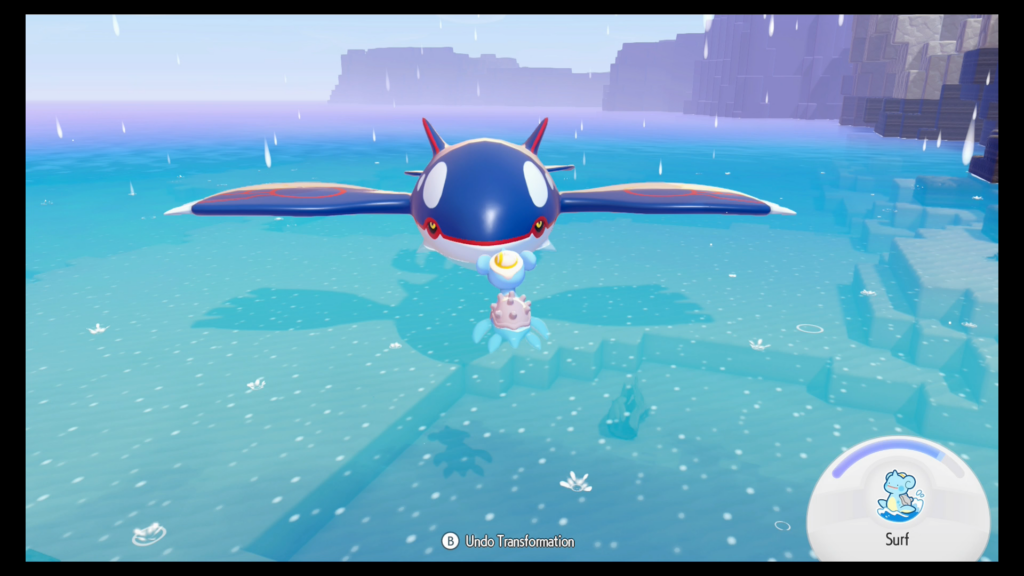
Story and setting
Plot overview
The story is simple but also surprisingly dark when you think about it for more than five seconds. Most humans are gone or dead, the Pokémon world has been wrecked because humanity apparently messed everything up, and now it falls to you, a Ditto pretending to be human, to fix the damage. That is cute on the surface, but underneath it is basically a post human Pokémon reconstruction story.
Your goal is to find Pokémon and give them homes. That sounds wholesome, and in the early hours it absolutely is. But this is where the story and systems start contradicting each other badly. The game tells you to create a better world for every Pokémon, yet mechanically it limits how many Pokémon can comfortably exist in each area. How many can help build, how quickly houses can be constructed, and how easily you can reshape the land.
That makes the premise feel weirdly broken. The whole story says, save everyone and give Pokémon a home. The mechanics say, sure, but only if you are willing to fight the building cap, despawning, slow daily construction limits, temporary food buffs, and awkward terraforming one block at a time. That disconnect becomes harder to ignore the further you get.
World building and immersion
The world itself is charming at first. Seeing Pokémon wandering around restored areas is lovely, and the game clearly understands how powerful recognition is. Simone knows almost every Pokémon by heart, so half the fun was seeing a creature appear and both of us going, Oh, that’s this one! The references also help a lot. Recognizing things like the S.S. Anne and the ninja school in Fuchsia City made the world feel connected to the larger Pokémon universe in a satisfying way.
The problem is that immersion depends on the systems supporting the fantasy, and here they eventually do the opposite. There are roughly 310 Pokémon in the game, but the areas only hold a limited number before Pokémon start despawning. Five areas with around 30 Pokémon each does not support the dream of building a true home for everyone. If the game had focused only on Kanto Pokémon, this structure might have made sense. But with a broader selection, the world starts feeling too small for the ambition.
That is a serious issue. A cozy life sim needs the player to believe in the little world they are creating. Once you realize the world cannot comfortably hold the very Pokémon it asks you to collect, the illusion takes a big hit.
Character development
There is not much character development in a traditional sense. The player character is a Ditto trying to imitate a human and restore the world, which is a great idea, but the game does not always dig into that as deeply as it could. The Pokémon themselves are the emotional center. Your attachment comes from knowing them, housing them, and building a world where they belong.
That works well early on. But later, when Pokémon despawn, building slows down, and systems become restrictive, that attachment starts fighting against the game’s limitations.
Emotional impact
Emotionally, Pokémon Pokopia is both adorable and frustrating. The highs are genuinely high. Finding a favorite Pokémon, building a little space for them, recognizing old references, and watching Simone light up while playing were all wonderful moments. The game has heart. There is no denying that.
But the lows come from the game making its own wholesome dream feel unnecessarily difficult. When Pokémon complain about being placed in a small house even though the game says the house supports four Pokémon, the emotional tone changes from aww, I am making them happy to what the hell do you want from me? That is not the kind of frustration a cozy building game should create.
Rating for story and setting
I have visited multiple aspects of the story, and after some thought and objective thinking, I rated the story and setting with a 6.
Gameplay and mechanics
Core gameplay mechanics
At its best, Pokémon Pokopia is addictive. You gather materials, learn skills, build structures, terraform the land, invite Pokémon, cook food, and expand habitats. It has that classic life sim loop where one task leads into another, and suddenly several hours have vanished. That early rhythm is genuinely good.
But once the technical limitations show up, the whole structure becomes much harder to love. We were both bummed that they did not just stick with Kanto Pokémon. A smaller, more focused roster would have made the housing, biome, and area limits far more manageable. Instead, the game gives you a big Pokémon selection without giving you the space or tools to properly support that selection.
Building is one of the biggest pain points. You can only assign a limited number of Pokémon to construction at once, and bigger projects require many Pokémon. Because of that cap, putting up multiple houses or facilities becomes slow and awkward. Pokémon can even despawn when trying to add them into build requirements, which makes the whole process feel like the game is fighting its own concept.
Terraforming has similar problems. The endgame tools should make reshaping the world easier, but removing big chunks of land is still too slow and block by block. For a game about rebuilding a world, it desperately needs stronger world editing tools.
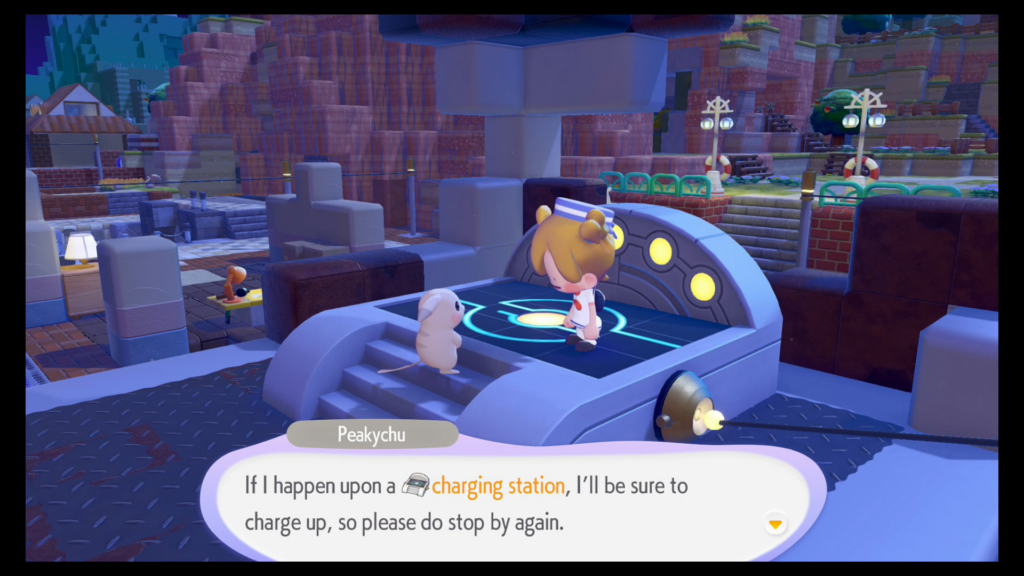
Difficulty and balance
The difficulty is not a traditional challenge. It is mostly system friction. The game is not hard because enemies are tough or puzzles are clever. It becomes hard because limits stack on top of limits. Area caps, building caps, slow construction, temporary cooking buffs, unclear skills, despawning Pokémon, and weak terraforming all combine into a kind of cozy game resistance that should not be there.
The temporary food buffs are especially strange. Cooking abilities can power up your skills, but only temporarily, which means you end up needing to carry a mountain of food around. The inventory is large, thankfully, but staged permanent upgrades would have been much more satisfying. A cozy sim should reward long term improvement, not constantly ask you to reapply temporary boosts like you are maintaining a buff rotation in an MMO.
Pacing of the game
The pacing starts strong and then hits a wall. Early on, you constantly discover new Pokémon, new references, new areas, and new possibilities. That is the best part of the game. It feels open, cute, and full of potential.
Then the mid-to-late game starts slowing everything down. Waiting for building progress, juggling which Pokémon can live where, trying to understand skills, and dealing with despawning all hurt the flow. The game goes from I cannot wait to see what is next to do I really want to fight this system again? That is where Simone’s enthusiasm started collapsing.
Innovation and uniqueness
The concept is excellent. A Pokémon life sim where you build homes and habitats for Pokémon is such an obvious good idea that it is shocking it took this long. The Ditto as human setup is charming, and the post human restoration angle gives the game a slightly eerie edge beneath the cuteness.
The issue is that the innovation is held back by technical boundaries. The idea is bigger than the game’s systems can handle. That makes it feel like a brilliant pitch trapped inside a restrictive implementation.
Controls and user interface
The controls are mostly fine for basic play, but the UI and system explanations need work. Skills are not always explained clearly enough, and that becomes a problem once the game expects you to use them efficiently. Simone setting up a market and moving trader Pokémon next to it, only for them to seemingly do nothing, is a perfect example. If the player is doing something logical and the game does not respond clearly, then the communication has failed.
The interface needed to make building, housing, skill effects, Pokémon limits, and area capacity much more transparent. In a game with so many invisible restrictions, clarity is not optional.
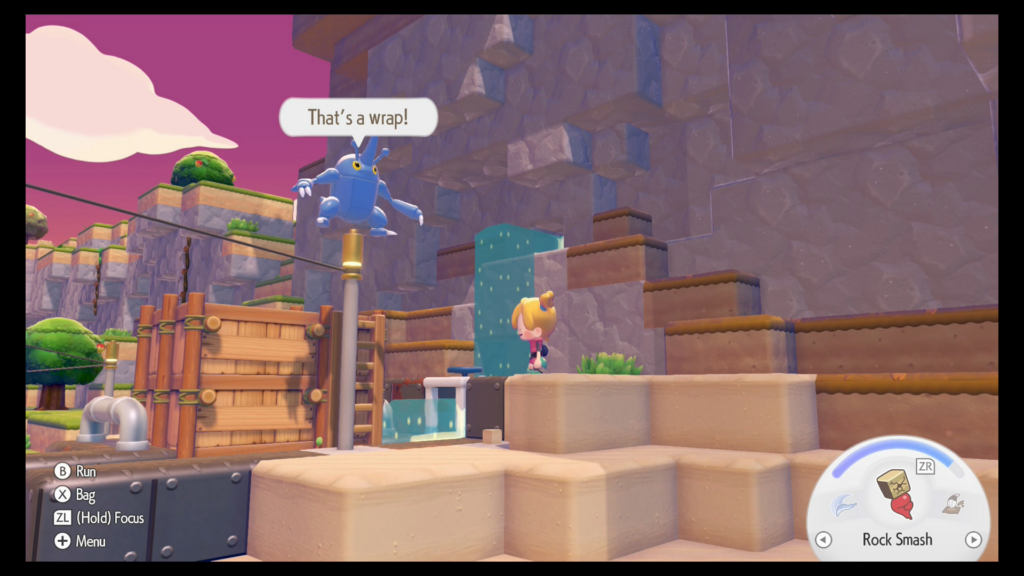
Microtransactions
The Nintendo store page lists the game with in game purchases, though the core experience itself is not structured like a mobile gacha game. Still, when a full price cozy Pokémon game already has so many technical frustrations, any mention of extra purchases makes the package feel more sensitive. The main problem here is not monetization, though. It is that the base mechanics need to breathe more.
Rating
After combing through many of the mechanics, the pacing, and other factors of this game, I rated the gameplay and mechanics with a 6.
Graphics and art style
Quality of graphics and art direction
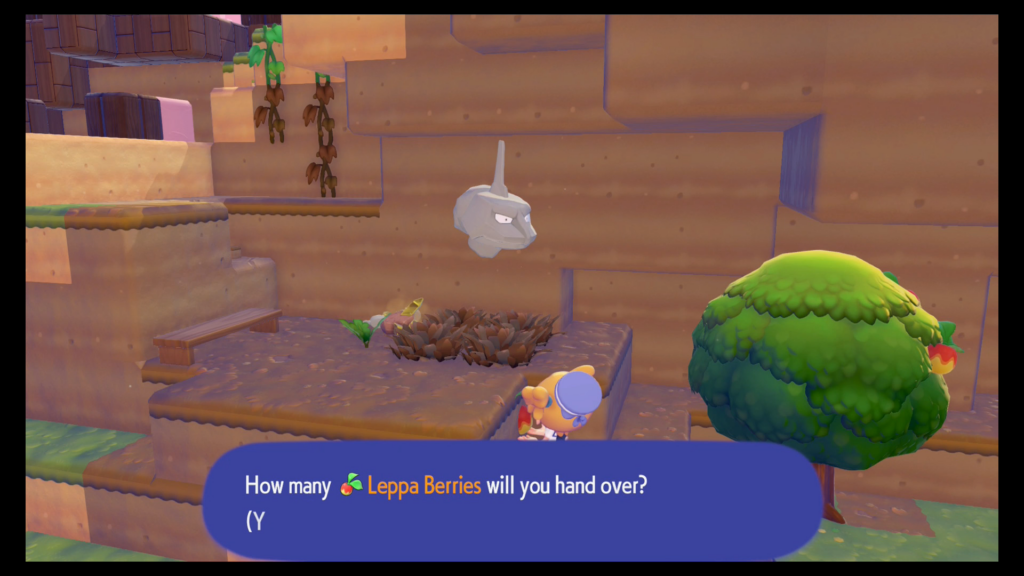
The graphics are cute, and this is one area where the game is easy to praise. Pokémon look adorable, the environments are warm, and the whole game has a soft, inviting style that suits the life sim direction. It is not trying to look hyper realistic, and it should not. It wants to look cozy, recognizable, and friendly.
The Pokémon recognition factor is a major strength. Simone knowing almost every Pokémon by heart made the experience much more joyful. Seeing familiar designs pop up in this softer, habitat building context was genuinely fun. The references to classic locations like the S.S. Anne and Fuchsia’s ninja school were also excellent touches. They made the world feel like it cared about Pokémon history instead of just using Pokémon as cute furniture.
Technical performances
The game runs decently enough moment to moment, but the technical limitations are everywhere in the design. The caps on Pokémon, construction, area population, and world editing feel less like thoughtful balance and more like the game struggling to support the fantasy it promised.
That is different from frame drops or crashes, but it is still technical design friction. A cozy builder lives and dies by how free the player feels. Here, the invisible walls are not just at the edges of the map. They are inside the systems.
Environment and design uniqueness
The five area structure gives the game variety, but not enough scale. Each area can be charming, but the population limits make them feel smaller than they should. A Pokémon habitat game needs room to sprawl, especially with a roster this large.
The environments are pleasant, but they needed to be bigger, deeper, and more flexible. What is here looks nice. It just does not hold enough.
Rating
It took me some time to give the graphics and art style an objective rating. There are many things to consider, but ultimately, I rated this section with a 7.5.
Sound and music
Music score and how it contributed to the game
The music is pretty good. It supports the cozy tone well and gives the game that soft Pokémon comfort you would expect. It is not the most legendary soundtrack in the franchise, but it fits the mood and keeps the game pleasant during the early and middle hours.
A life sim needs music that can sit in the background for long sessions without becoming annoying, and Pokopia mostly succeeds there. It is gentle, familiar, and relaxing enough to support the game’s best moments.
Sound effects quality
Sound effects are charming and effective. Pokémon cries, building sounds, environmental effects, and interaction feedback all help the world feel friendly. The audio works best when you are simply wandering, gathering, and hearing Pokémon around you.
The soundscape reinforces the cozy fantasy better than some of the mechanics do. That is both praise for the audio and criticism of the systems.
Voice Acting
There is no heavy voice acting focus, which is normal for Pokémon. The game relies on Pokémon sounds, text, and animation rather than spoken performance. That fits the franchise perfectly enough, though more expressive character moments could have helped the darker setting land better.
Rating
After a lot of consideration, I rated the sound and music section with a 7.
Replayability
Game Length and content volume
The game has plenty of content in terms of raw goals. Finding hundreds of Pokémon, building habitats, unlocking areas, cooking, crafting, and customizing can take a long time. But content volume is not the same as satisfying progression.
A lot of the later content feels like it is stretched by restrictions rather than enriched by new ideas. Waiting for construction, managing caps, and dealing with temporary buffs inflate the runtime in ways that do not always feel fun.
Extra Content
The extra content is essentially the collection and building loop itself. That should be enough for this kind of game, and for some players it probably will be. But because the building tools are not strong enough and the Pokémon limits are too harsh, the long term extras become less appealing.
The game badly needed more robust terraforming, clearer facility behavior, larger maps, and stronger permanent upgrades to support endgame play.
Replay value
There is technically a lot of replay value if you can look past the limitations. You can keep collecting Pokémon, reorganizing areas, building habitats, changing layouts, and trying to optimize your world. The problem is that replayability depends on the systems remaining enjoyable after the charm wears off, and for us, they did not.
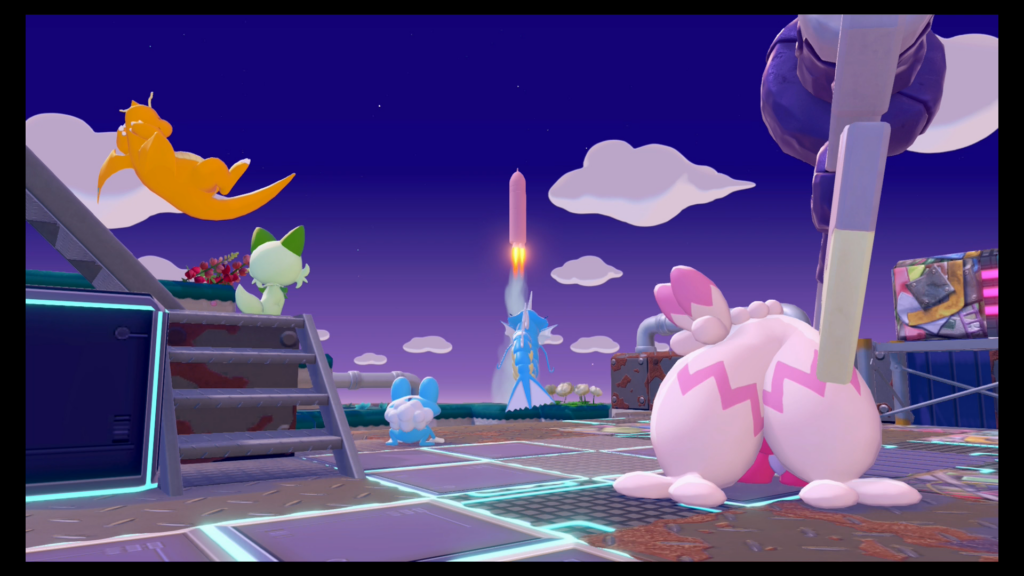
Once Simone hit nearly 160 Pokémon found and realized how many would despawn anyway, the motivation dropped hard. The game asks you to care about collecting and housing Pokémon, then makes that dream slow and restrictive. That is a brutal replayability killer.
A Pokémon fan who is more tolerant of cozy game friction may spend many happy hours here. For us, the technical limitations became too frustrating. Simone loved the idea, loved many early moments, and still lost the desire to continue once the restrictions piled up.
Rating
After thoughtful consideration, I decided to rate the replayability and game length of this game with a 5.5.
Suggestions and comparisons
Suggestions and feedback
The biggest suggestion is simple: remove or greatly reduce the technical limitations. A game about building homes for Pokémon should not feel like it is constantly telling you no! Increase area capacity. Make maps bigger. Let more Pokémon participate in construction. Make house requirements clearer. Let players terraform large areas properly instead of removing one block at a time.
The second big suggestion is to focus the roster. If the game cannot comfortably support around 310 Pokémon in the housing system, then it should have focused on one region, such as Kanto. That would have made the goal of giving every Pokémon a proper place feel achievable and coherent.
Cooking buffs should also become permanent progression stages or at least unlock permanent upgrades after enough use. Temporary ability boosts feel bad in a cozy game where long term improvement should be the reward.
Comparisons
Compared to Animal Crossing, this has the advantage of Pokémon charm but lacks the same smoothness and long term comfort. Compared to Minecraft, it has a cuter identity but much more restrictive building freedom. Compared to a mainline Pokémon game, it is refreshingly different, but also far more technically frustrating than expected.
The game’s concept is strong enough to stand beside those inspirations. The execution is not.
Personal experiences and anecdotes
My wife was very annoyed at times when she could not build more. The house system especially created frustration. Pokémon complained about being placed in a small house even though the game itself said the house was for four Pokémon. That kind of contradiction is maddening because the player is trying to follow the rules, but the game’s feedback does not line up.
She still loved the game for a good while. That is important to say. This was not hate from the start. She had nearly 160 Pokémon found before she hit the wall. Then the mood changed into: Well, what the fuck, who cares anymore if they despawn anyway and building houses is this slow?
She was also bothered by how poorly some skills were explained. The market example was especially frustrating. She set up a market, moved trader Pokémon next to it, expected something to happen, and nothing meaningful did. That kind of unclear system behavior makes the player feel silly for trying to engage thoughtfully, which is the opposite of what a cozy building game should do.
Rating
Taking in all the personal experiences with this game, I give it a personal rating of 6.
Last words
Pros
- Adorable Pokémon life sim concept
- Finding and recognizing Pokémon is genuinely fun
- Cute graphics and cozy presentation
- Classic Pokémon references are excellent
- Early gameplay is very addictive
- Building habitats is a great idea in theory
- The Ditto as human premise is charming
- Music fits the relaxed tone well
- Simone had a lot of fun before the limits became too much
Cons
- Area Pokémon limits hurt the core fantasy
- Pokémon despawning makes collecting feel pointless later
- Building caps are far too restrictive
- Construction takes too long
- Terraforming tools are too weak
- Temporary cooking buffs should have been permanent upgrades
- Skills are poorly explained
- Facilities like markets do not communicate clearly enough
- The story premise clashes with the mechanical limits
- Five areas are not enough for the roster size
- The game should probably have focused on one region
- House capacity feedback can feel contradictory
- The late game becomes frustrating instead of cozy
Pokémon Pokopia is a fun, cute, and genuinely charming game that also makes you want to shout, what the fuck Nintendo, why are there so many limitations? The idea is excellent. A cozy Pokémon builder where you restore the world and give Pokémon homes should be an easy win. For a while, it is.
But the longer you play, the more the systems fight the fantasy. The world is too small, the caps are too strict, building is too slow, and the game’s own story goal becomes harder to believe because the mechanics do not support it properly.
Simone loved it until she did not, and that is the tragedy here. There is a wonderful game inside Pokémon Pokopia, but it needs fewer walls, better tools, and far more room for all those Pokémon to actually live.
FINAL RATING

6.2
Please let me know what you think of Pokémon Pokopia in the comments!
I hope you enjoyed reading this review. I hope to see you in the next review!
If you liked reading this review, maybe you would like to share this review with your friends.
I knew it from the beginning that Pokopia is Pokemon-Hyped game and that’s all. It didn’t even looked like “fun” for longer gameplay.
It is indeed not fun for longer gameplay.
Anoher low effort game to squeeze more money ut of all the pokemon fans.
SQEEUZE THE FANS!
At first looks like a good game with variety of different pokemons and content. I dont know whole design architecture but i dont know why those limits are there, it should be more elastic. I think you have very good found the important major nuisances and problems effecting gameplay and creating frustration.
Indeed weird of those limits.
It is sad that they implemented limitations but I still want to play it haha, Hopefully they fix it to some extent with an update, I just wish they had released it on the switch as well!
Problem is these are mostly engine problems, probs get fixed in part 2!
Man, having the birthday present be a disappointment is such a shame! 😢
Yeah, it indeed is.
I didin’t know this game exist until now. Thanks for review.
You are welcome!
I like the cute pokemon but I don’t know if it would be a lot of fun in long term but I can watch other play as it was fun to watch someone playing pokemon than yourself playing in some case.
It can sometime be fun to watch other people play.
Another entry in Nintendo’s “Slap the Name Pokémon on it, but don’t invest too much time”-series… They think they have this huge brand and thus don’t really need to work on it anymore… so sad..
Indeed, they should have put more work into it.
My first thought was: Pokemon Minecraft edition 😀
Accurate.
Whoops! A Pokémon game with more cons than pros…? Is it fair to say, theoritically, that this game could not accommodate more Pokémon at a time because it was hit by the RAMpocalypse?
Nice one.
Recent Pokémon games definitely have their charm, and this one seems to be no exception. That said, it also appears to come with quite a few flaws. I’m not expecting perfection, but I do hope future titles aim for a smoother, less frustrating experience.
It should have been smoother.
I’m not sure if I like the life simulation aspect, but it looks cute anyway and is quite well done.
It indeed looks nice.
After so many games there are things that could have been more polished
A lot more polished.
It may look cute, but life simulator part is rather not for me. I’d rather something like Monster Sanctuary. With so many cons it also sounds like not that good game, but at least graphics and music doesn’t disappoint, but still a pity that skills aren’t well explained.
Skills should have been explained properly.
Having put probably 100 hours into the game, I agree with some of the complaints, although not all of them.
Which ones did you not agree with?
Kinda feel like this game never connects with you at the emotional level. It’s always almost there, but it never happens.
Just like you mentioned with the Pokémon limit—it starts to look like home, and then you get hit by the limit. :/
The limit smacks you hard!
> slow daily construction limits,
What??
The despawning thing is really sad. :/
> When Pokémon complain about being placed in a small house even though the game says the house supports four Pokémon, the emotional tone changes from aww, I am making them happy to what the hell do you want from me? That is not the kind of frustration a cozy building game should create.
This does sound awfully frustrating…
> A cozy sim should reward long term improvement, not constantly ask you to reapply temporary boosts like you are maintaining a buff rotation in an MMO.
Absolutely, a lot of stuff you described was more of an MMO padded grind thing than a cozy world builder…
> Once Simone hit nearly 160 Pokémon found and realized how many would despawn anyway, the motivation dropped hard. The game asks you to care about collecting and housing Pokémon, then makes that dream slow and restrictive. That is a brutal replayability killer.
It really doesn’t make sense to ask you to collect more but also not let you actually have them live in the world. :/
150 pokemons would have solved many problems, and now they have added even more!
very interesting for a “pokemon” game, something i wasn’t expecting, but welcome it.
i didn’t know the mechanics and limitations were so bad like that, and its a shame, pokemon just can’t make anything optimized can they?
Optimization is hard indeed!
Pokemon games will always be interesting, as there are millions of fans. In general, this game was no exception, despite the pros and cons of this project.
It was a new frontier!
Really sad to hear about system friction and despawning as they were the last things I would have thought after seeing some of the gameplay. Collecting Pokémon in a Pokémon game should never feel unrewarding 🙁
Alas it does.