
Introduction
Basic information
Developer Name: Capcom
Full Name: Monster Hunter Stories 3: Twisted Reflection
Release Date: March 2026
Released on: Nintendo Switch 2, PlayStation 5, Xbox Series X|S, PC/Steam
Cross Play: No
Initial thoughts
When I bought Monster Hunter Stories 3: Twisted Reflection, I had a very specific hope. I wanted the gameplay improvements and monster collecting fun of Monster Hunter Stories 2, mixed with the stronger storytelling and emotional charm of the first Monster Hunter Stories. The first game had the best story in the series for me, while the second game had a lot of great quality of life improvements and stronger monster raising systems. If this third entry could combine the best of both, it could have been something truly special.
Well, it did not quite do that.
That does not mean Monster Hunter Stories 3 is bad. Far from it. I had a lot of fun with it. Hunting monsters, finding eggs, building up monsties, working on genes, and eventually creating a super powered Deviljho, my beautiful super pickle of doom, was extremely satisfying. The monster-collecting side still works. The basic idea of going out into the world, finding dens, grabbing eggs, hatching monsties, improving them, and building a powerful team remains very addictive.
So this is a strange review. I had fun. I played nearly 40 hours. I built my super-gened super pickle. I enjoyed the egg hunting and monster raising a lot. But I also kept seeing missed opportunities, strange design choices, and story decisions that made me shake my head.
This game is fun and great, but damn, it also messed up a lot.
Story and setting
Plot overview
The basic story is classic Monster Hunter Stories territory. A big bad elder dragon is causing trouble, the world is under threat, and naturally it falls to the Rider and their monsties to fix everything. There is a major crisis involving the Encroachment, monsters going feral, ecosystems being thrown out of balance, and the usual dramatic warning that nobody has ever defeated this terrible threat before.
And then, of course, you defeat it.
The story wants to present the Riders and rangers as protectors of nature, habitats, and balance. That idea can work well in a Monster Hunter Stories game because the whole series is about forming bonds with monsters instead of simply hunting everything for parts. The problem is that this game often makes the so called protectors look like they are causing just as many problems as they are solving.
You restore habitats, but sometimes that means casually letting extremely dangerous monsters roam around places where they probably should not be. You help ecosystems, but the game also constantly sends you out to fight monsters, take their materials, and turn them into pants and weapons. Fashion pants hunters, truly the greatest environmental movement.
The story also leans heavily on dramatic monster threats, but it does not always land emotionally. I wanted something closer to the storytelling of the first game. Instead, this felt more standard and more predictable. There are interesting ideas, but they are not always handled with enough weight.
The final stretch also disappointed me. After defeating the final boss, I wanted the world to move forward. Let us see the damage repaired. Let us continue cleaning up Aenshin’s mess. Let us hunt the remaining feral monsters. Let Simon join the party if the game is going to pull that emotional fakeout. But instead, the game returns you to before the final battle, which makes the conclusion feel less satisfying.
World building and immersion
The world itself is one of the stronger parts. The environments look beautiful, the monsters feel at home in many areas, and searching for eggs still gives that great sense of adventure. Despite every nest being the same. There is always a small thrill when entering a den and wondering what kind of egg you will find. That loop remains one of the best parts of the series.
The idea of restoring habitats is also good on paper. It gives the player a reason to revisit areas, interact with the world, and feel like their actions matter beyond battles. The problem is that the story and mechanics sometimes clash. The game talks like it cares deeply about ecosystems, but the actions of the characters can feel reckless. One moment you are protecting nature, the next you are introducing powerful monsters or farming materials like the world is just one big monster pants shop.
Character development
The character development is okay, but it did not reach the level I hoped for. The first Monster Hunter Stories had stronger emotional storytelling for me, and this third entry does not fully capture that same feeling. Some characters have decent moments, but the story does not always give them enough weight.
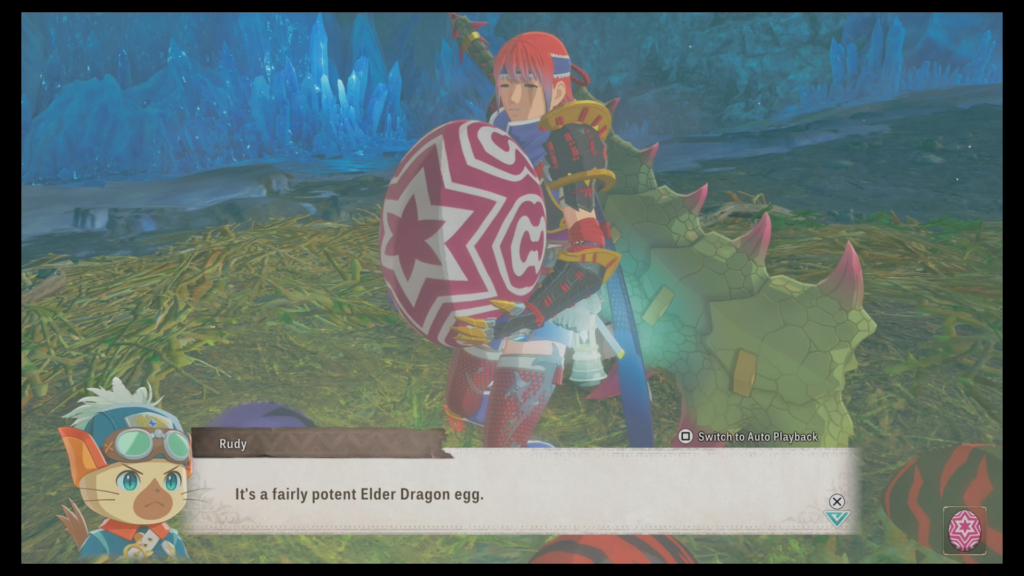
Ratha remains central, as expected, but the inability to remove Ratha from the party after beating the game is a big annoyance. I understand having a story important Rathalos during the main adventure. That is normal for the series. But after the credits, let me build the team I want if the provided Rathalos, unlike in the other game, sucks.
The game is about monster collecting, gene building, and player choice. Forcing a party slot to remain locked after the story is over feels unnecessarily restrictive.
Simon is another missed opportunity. If the game is going to play with his fate, then the payoff should be stronger. Let him join after the story. Let the player use him and Ratha V. Give that arc a gameplay reward. Instead, it feels like a dramatic moment that does not fully pay off.
The party members are useful during much of the game, but it is frustrating that the side quests to upgrade them do not matter in the final battle if you cannot use them there. That makes some of that investment feel wasted.
Emotional impact
The story’s emotions were weaker. The Simon death fakeout annoyed me more than it moved me. For a moment, I thought the game might actually go darker and commit to a stronger emotional direction. But then the game backs away from it, and instead of using that moment to create a stronger post game payoff, it just leaves me thinking he should have joined the party afterward.
The ending also left me unsatisfied because the world did not truly move forward in gameplay terms. Being sent back before the final boss always feels bad to me, especially in a game about repairing damage. Let me enjoy the repaired world. Let me see the consequences of victory. Let me actually continue the story instead of pretending the final fight has not happened yet.
Rating for story and setting
I have visited multiple aspects of the story, and after some thought and objective thinking, I rated the story and setting with a 6.5.
Gameplay and mechanics
Core gameplay mechanics
The gameplay is still the strongest reason to play Monster Hunter Stories 3. Finding eggs, raising monsties, improving genes, building teams, and preparing for tough fights is fun. That core loop remains powerful, and when it works, it really works.
The rock paper scissors combat system returns, and I have always liked that system in the Stories games. Power beats Technical, Technical beats Speed, Speed beats Power. It is simple to understand, but it becomes satisfying when you learn monster patterns and start predicting attacks properly. That was one of the best parts of the previous games.
The problem is that this third game sometimes weakens that system. You now often have an NPC party member with you, plus their monstie, which already lowers the chance of you being targeted directly. And there is no way to go solo, unlike the second game, after beating the game.
Then there is the fact many monsters do not rely on clear attack patterns as much as they should. Instead, some fights lean heavily on unrelated area of effect attacks that can smash the whole party. Unless you have grinded heavily, those attacks can feel brutally punishing.
That makes the combat feel less clean than before. The rock paper scissors system works best when monster behavior is readable and the player can respond intelligently. When bosses or enemies spam big attacks that ignore that rhythm, the system loses some of its charm.
Difficulty and balance
The final boss is very tough. I actually liked that it forced me to prepare properly, because a final boss should feel like a real challenge. The problem is that the difficulty balance around the game is uneven. Some fights feel manageable, while others suddenly punish the whole party hard enough that grinding becomes less optional and more required.
Barrel Felyne grinding helped a lot, and I did plenty of it. That grinding made the final boss possible, but it also showed how much the game can lean on raw stats and preparation. If you are underprepared, some attacks can wipe the party out extremely fast.
Pacing of the game
The pacing is decent overall, but it has rough spots. The egg hunting and team building give the game a strong rhythm. Explore, fight, find eggs, hatch monsties, improve your team, clear quests, and push the story forward. That loop kept me playing for nearly 40 hours, so it clearly works.
However, the story pacing is not as strong. Some sections feel like they drag, while other emotional beats do not get enough payoff. The game also suffers from the classic RPG problem of making you do lots of preparation, then not allowing the ending to fully matter afterward.
Innovation and uniqueness
The Monster Hunter Stories formula remains unique because it blends monster collecting with Monster Hunter identity. It is not just Pokémon with Rathalos. The gene system, equipment crafting, monster materials, field abilities, dens, and kinship attacks all give it its own identity.
The third game keeps that identity alive, but it does not innovate as strongly as I hoped. It adds some systems and refinements, but the core experience is still very familiar. That is not necessarily bad, because the formula is fun. But after two previous games, I expected a cleaner and more confident evolution.
The habitat restoration idea is interesting, but the execution creates weird story contradictions. The game wants to be about repairing ecosystems, but the actual gameplay often feels like you are causing ecological nonsense on purpose. That can be funny, but it also undercuts the serious tone.
Controls and user interface
The controls are generally good. Riding monsties, exploring, opening menus, managing teams, and navigating the world all work well enough. The game is comfortable to play, and the interface gives you access to the systems you need.
Team and gene management could always be smoother, especially in a game where players spend a lot of time building perfect monsties. When you are hunting specific genes, comparing monsters, and planning builds, any extra clarity helps.
The biggest interface related frustration is not the menu itself, but the party restriction. Not being able to remove Ratha after finishing the story is a design choice that clashes with the freedom the game otherwise encourages.
Microtransactions
There is some cosmetic DLC content, but it does not define the experience. The core game remains playable without needing to buy extra cosmetic items. That is good, though cosmetics in full price games always feel like something worth mentioning.
Rating
After combing through many of the mechanics, the pacing, and other factors of this game, I rated the gameplay and mechanics with an 8.0.
Graphics and art style
Quality of graphics and art direction
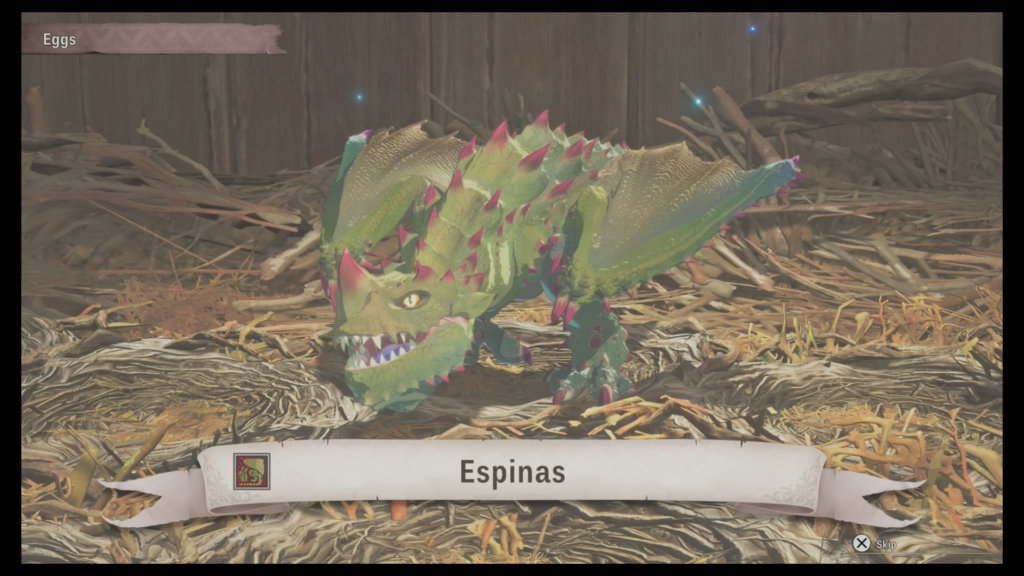
The graphics are amazing. This is easily one of the best-looking parts of Monster Hunter Stories 3. The monsters look great, the environments are colorful and detailed, and the game does a strong job of translating the Monster Hunter universe into a more stylized RPG form.
The monsties are the stars, and the game understands that. Seeing familiar monsters in this style is still exciting. There are plenty of creatures to collect, raise, and use, and they all bring that recognizable Monster Hunter identity with them. Different elements, monster types, and visual designs help keep the collection side appealing.
Technical performances
Technical performance was solid overall. The game looks good and generally runs well enough to keep exploration and battles enjoyable. Since this is a long RPG with plenty of grinding, egg hunting, and repeated fights, stable performance matters a lot.
The game also handles monster animations nicely. Kinship attacks, battle animations, and movement all help sell the fantasy of riding and fighting alongside powerful creatures. This is especially important in a Stories game because the bond with monsties depends partly on presentation. If the monsters did not look or move well, the whole experience would lose impact.
Environment and design uniqueness
The environments do a good job of supporting the egg hunting loop. Areas feel worth exploring because you are not only looking at scenery; you are searching for dens, monsters, resources, and progression. That gives the world a practical purpose.
The monster habitat theme also gives the game a strong identity, even if the story logic sometimes becomes unintentionally hilarious. Restoring ecosystems sounds noble, but then you look at what is actually happening and realize these people are unleashing powerful monsters and crafting gear from everything that moves. Eco warriors, part three.
Rating
It took me some time to give the graphics and art style an objective rating. There are many things to consider, but ultimately, I rated this section with a 9.0.
Sound and music
Music score and how it contributed to the game
The sound and music are great, as expected from a Monster Hunter game. The series usually knows how to make monster encounters feel big, and Stories 3 continues that tradition. The soundtrack supports the adventure well, and the battle music gives important fights the right amount of energy.
Sound effects quality
The sound design makes monsters feel powerful. Deviljho hitting hard, Rathalos attacks, elder dragon threats, and big boss moments all gain weight because of the audio. When my super pickle started dealing ridiculous damage, the sound effects helped make that moment feel even better.
Voice Acting
The voice acting is solid. It supports the story well enough, even when the writing does not always carry the emotional weight I wanted. The performances help give characters identity and make the cutscenes feel more polished.
The issue is not really the acting. It is the story decisions around the characters. A fakeout death, a limited payoff, and a missing post game party reward are writing and design issues, not voice acting issues.
Rating
After a lot of consideration, I rated the sound and music section with a 8.5.
Replayability
Game Length and content volume
The game has a healthy amount of content. Nearly 40 hours is a solid amount of playtime, especially when much of that time includes meaningful team building, exploration, and monster collecting. There is a lot to chase if you enjoy optimizing monsties.
The content is not all equal, though. Egg hunting and gene building are great. Some story sections are less exciting. Some side systems are useful, while others feel underdeveloped. Party member upgrades are frustrating because they do not matter enough when it counts most.
Extra Content
The replay value depends heavily on what kind of player you are. If you love building perfect monsties, there is a lot here. If you are mostly here for story, the desire to replay is much weaker.
I do want to play Monster Hunter Stories 2 again after this, with a fresh look at the story and gameplay, and maybe give it a proper review and revamp. That says something interesting. Stories 3 reminded me how much I enjoy this series, even while annoying me with several design choices.
Replay value
Replayability is strong if you enjoy the monster raising systems. There is a lot to do. You can hunt eggs, perfect genes, build stronger monsties, gather resources, collect poogies, finish side quests, improve equipment, and continue working on stronger teams. The game gives players many reasons to stay busy.
The biggest replay appeal is the gene system. Creating a properly built monstie is extremely satisfying. My super pickle is proof of that. Taking a monster you like, farming the right genes, improving it, and watching it become a beast in battle is one of the best things this series offers.
There is also plenty of post game style content in the mechanical sense, but the story structure weakens it. Being sent back before the final boss makes the world feel frozen in an unsatisfying state. I wanted to continue after the ending, repair damage, hunt remaining feral monsters, and see the world move forward. Instead, the game plays the old before the final battle trick, and I hate that.
Rating
After thoughtful consideration, I decided to rate the replayability and game length of Monster Hunter Stories 3 Twisted Reflections with an 8.
Suggestions and comparisons
Suggestions and feedback
The first big suggestion is simple: fix the post game. Do not send me back before the final boss after the story ends. Let the world continue. Let the player experience the consequences of victory. Let us repair the damage, hunt remaining feral monsters, restore habitats properly, and see the world become better.
The second suggestion is also simple: let me remove Ratha after beating the game. During the story, fine, force the story monstie. After the credits, stop. A monster collecting RPG should let players build their dream team in the post game.
The third suggestion is to make the eco warrior theme more consistent. If the characters are supposed to be protecting ecosystems, do not make them look like they are constantly messing up habitats and unleashing dangerous monsters wherever they go. Or, if that contradiction is intentional, make the story acknowledge it more directly.
Party member upgrades also need more payoff. If I spend time improving companions through side quests, let that matter during major battles or give me more control over when those companions can be used.
Comparisons
Compared to Monster Hunter Stories 1, this game is weaker in story. The first game had a charm and emotional structure that worked better for me. It felt more focused and more meaningful.
Compared to Monster Hunter Stories 2, this game has many fun gameplay elements but also feels messier in combat balance. I still love the egg hunting and gene systems, but some battles in Stories 3 lean too much on big AoE attacks instead of the clean rock paper scissors rhythm I enjoy.
As a third entry, this is still a strong game, but it is not the perfect combination of the first two games that I hoped for. It is fun, addictive, visually great, and worth playing, but it also has some baffling choices that hold it back.
Personal experiences and anecdotes
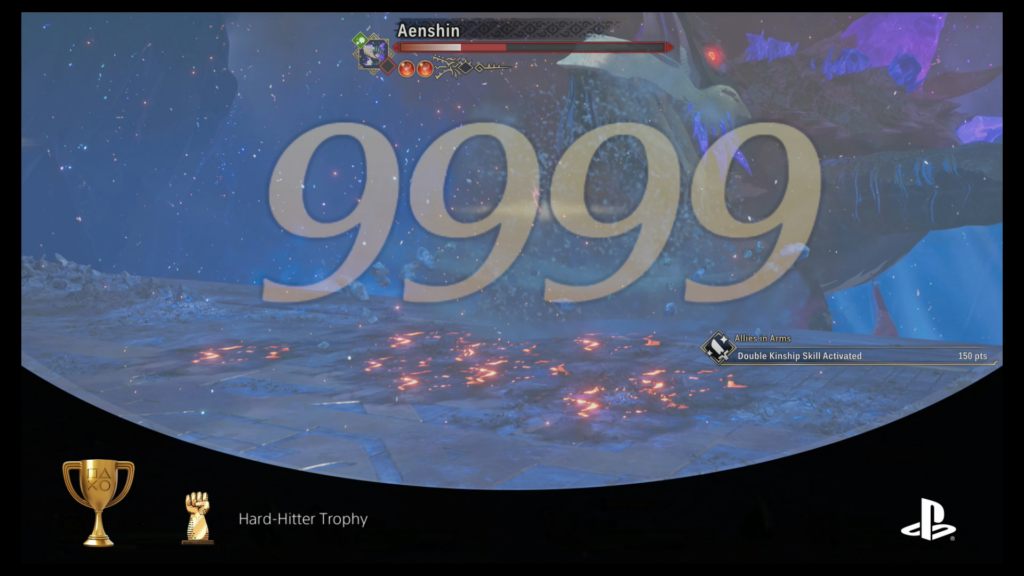
The biggest personal highlight was building my super pickle. After struggling with the final boss, I decided it was time to stop messing around and properly improve Deviljho. Getting the right genes, strengthening it, and turning it into a monster that could finally deal serious damage was extremely satisfying.
Then came the moment where it dealt 9999 damage. That was insane. I was basically shouting, FUCK YOU! At the game, and honestly, it deserved it. That hit also gave me an achievement, which made the moment even better. Few things in an RPG feel as good as struggling against a boss, grinding properly, rebuilding your strategy, and then coming back with a creature that hits like a meteor with teeth.
That is the best side of Monster Hunter Stories 3. When the monster building works, it really works. It makes you feel like your time and planning paid off.
But the game also annoyed me a lot. The story did not hit as hard as I wanted. The final boss preparation was rough. Simon’s fake death annoyed me because I thought the game might finally commit to something darker, but then it backed away. And the ending structure left me frustrated because I wanted to continue after victory, not be shoved back before the final fight.
This game was fun. This game was frustrating. This game made me want to play Monster Hunter Stories 2 again. This game made me love my super pickle. This game also made me swear at Capcom’s design choices.
That is a complicated relationship.
Rating
Taking in all the personal experiences with Monster Hunter Stories 3 Twisted Reflections, I give it a personal rating of 6.5.
Last words
Pros
- Egg hunting is still very fun and addictive.
- The gene system remains satisfying and rewarding.
- Building a powerful monstie feels amazing.
- The final boss provides a real challenge.
- Graphics and monster presentation are excellent.
- Sound and music are strong, as expected from the series.
- There is a lot of content for players who enjoy grinding and collecting.
- Creating the super gened super pickle and hitting 9999 damage was an incredible highlight.
Cons
- The story is weaker than expected.
- The eco warrior theme clashes badly with the actual ecosystem chaos.
- You cannot remove Ratha from the party after beating the game.
- Being warped back before the final boss is extremely disappointing.
- The final cutscenes still showing Encroachment makes victory feel less complete.
- Simon’s fake death feels like a missed opportunity.
- Simon should have been usable after the story.
- Party member upgrade side quests feel less useful when those characters cannot help in the final battle.
- Some enemies rely too much on huge AoE attacks.
- The rock paper scissors combat feels less clean when monsters ignore normal attack patterns too often.
- The final boss can demand heavy grinding.
- The post game should have focused on repairing Aenshin’s damage and hunting remaining feral monsters.
- Some story decisions make the rangers look like they are damaging ecosystems instead of saving them.
Monster Hunter Stories 3: Twisted Reflection is a game I both loved and hated. The core monster collecting loop is still great. Hunting eggs is still fun. Building monsties is still addictive. The visuals are beautiful, the music is strong, and creating a super gened Deviljho that can smash out 9999 damage was one of my favorite moments in the whole game.
But the game also has serious issues. The story is not as strong as I hoped, especially compared to the first game. The combat balance gets messy when enemies rely too much on massive AoE attacks. The eco warrior angle becomes unintentionally funny when the characters seem to cause as much ecological damage as they fix. And my two biggest pet peeves, being unable to remove Ratha after the story and being sent back before the final boss, really dragged down the ending.
The eco warriors fuck up the ecosystem part 3! In Monster Hunter Stories 1 and 2, it was not this bad. And yes, in previous games you could remove Ratha after the story, which makes this decision even more annoying.
Still, I played nearly 40 hours. I had fun. I made the super pickle. I want to revisit Monster Hunter Stories 2 because this game reminded me how much I enjoy the series. So even though Twisted Reflection rubbed me the wrong way in several places, it is still a fun and great game at its core.
It is not the perfect third entry I hoped for, but it is absolutely worth playing if you love monsties, eggs, genes, and turning a Deviljho into a walking war crime.
FINAL RATING

8
Please let me know what you think of Monster Hunter Stories 3 Twisted Reflections in the comments!
I hope you enjoyed reading this review. I hope to see you in the next review!
If you liked reading this review, maybe you would like to share this review with your friends.