
Introduction
Basic information
Developer Name: Square Enix, Claytechworks
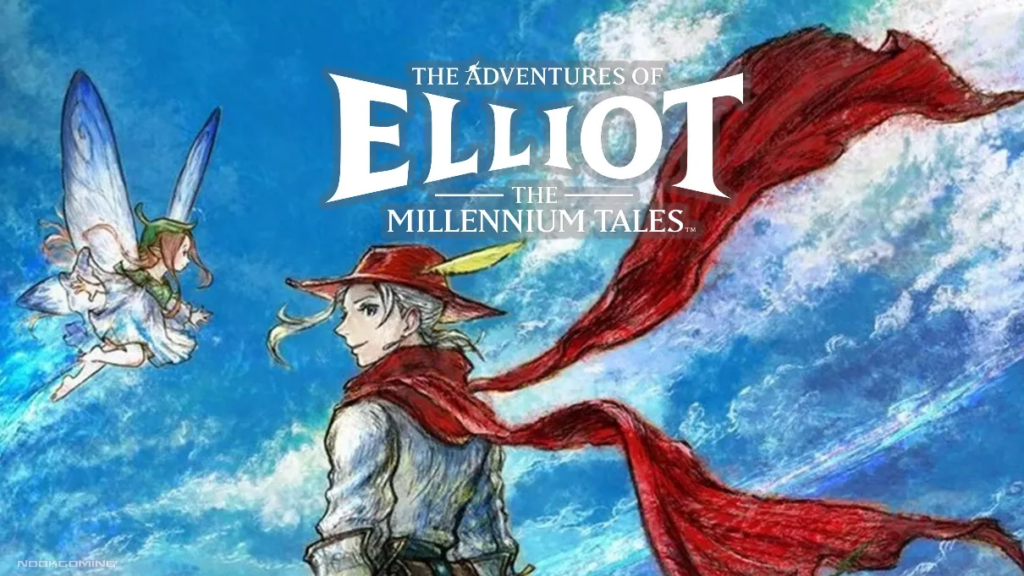
Full Name: The Adventures of Elliot: The Millennium Tales
Release Date: June 18, 2026
Released on: Nintendo Switch 2, PlayStation 5, Xbox Series X|S, PC/Steam
Cross Play: No
Initial thoughts
My wife wanted The Adventures of Elliot: The Millennium Tales badly enough that she even pre ordered it, and that already set the tone. This was not one of those games we randomly threw onto the pile and forgot about.
What we did not know at first was that the game also had drop in co-op. That was a very fun surprise. I always enjoy when a game quietly gives us the option to play together, especially when the second player is not just standing around doing nothing. In this case, Faie actually matters. She can help in fights, support exploration, deal damage, provide utility, and make bosses much more tactical.
The only downside is that the co-op option comes a bit late if you explore a lot before moving the story forward. If you are the kind of player who checks every corner, opens every path, searches every secret, and delays the main objective because the world keeps calling your name. Then the co-op unlock can feel like it should have arrived sooner. Once it is there, though, it adds a lot.
Simone 100% completed the game, and that says a lot. This was not a short little adventure that we casually finished and left behind. This was a proper journey, with puzzles, bosses, cats, treasure, upgrades, magicite, time travel logic, and enough secrets to keep the game interesting until the end. There are some minor issues, especially with how treasure works in the world, but overall this was a very positive experience.
Story and setting
Plot overview
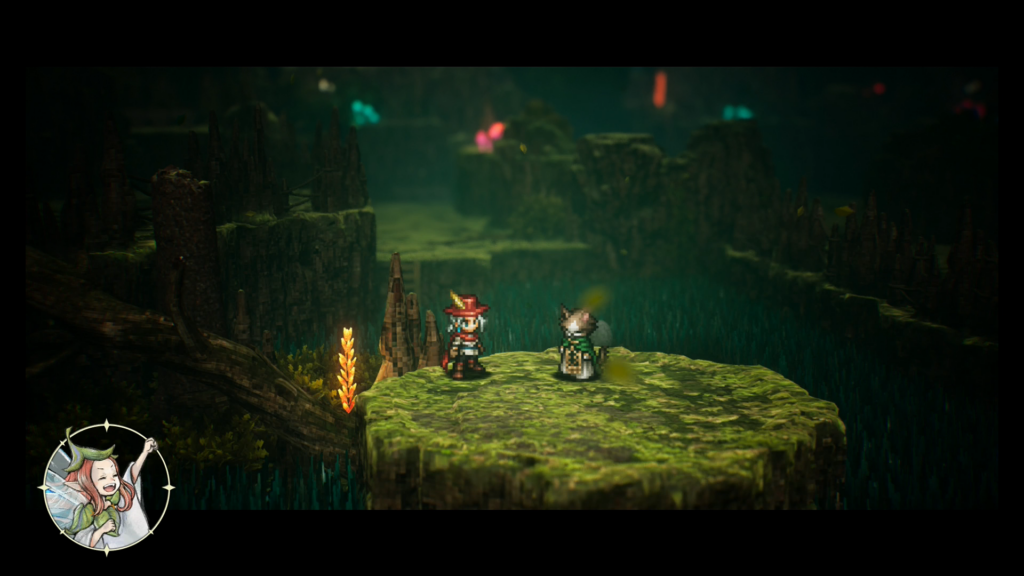
The story starts with Elliot chasing down a bad guy, as heroes often do when they have not yet learned that sprinting after trouble usually leads to worse trouble. Naturally, things go wrong. Elliot ends up in another era, and then he actually dies. Welp.
Luckily, Faie enters the story properly and resurrects him, becoming an essential part of the adventure and eventually the co-op partner. From there, the journey opens up into a time spanning quest across different eras, with Elliot and Faie trying to understand what is happening, how the world changed, and how the different ages connect.
The plot has that classic RPG structure where the hero starts with one problem and slowly discovers that the truth is much bigger. What begins as a chase becomes a story about time, consequences, old mistakes, and the way different eras affect each other. The game does not just use time travel as a gimmick. It builds a lot of the adventure around it.
The best part is that the story has a proper sense of mystery. You keep learning more about the world, the eras, and the connections between events. Some reveals are fun, some are emotional, and one particular plot twist was strong enough that we discussed it for a while afterward, trying to figure out how the time travel logic should work. No spoilers, but damn, that one landed.
World building and immersion
The world building is one of the strongest parts of the game. Some people complained that the four eras look too similar, but honestly, that complaint feels a bit silly. It is time travel. Of course many places look alike. That is the point. You are not visiting four completely unrelated planets. You are visiting the same world across different periods, so it makes sense that locations share structure, geography, and identity.
What matters is how those places change. Seeing the same areas in different eras gives the world a stronger sense of history. A location is not just a random level. It becomes a place with a past, a present, and a future. You can recognize pieces of it, but the context changes. That makes exploration more interesting because you start thinking about how one era affects another.
The game does a good job making the world feel like it has layers. The more you explore, the more you notice how things connect. It is not just old version, new version. It is a world shaped by events, mistakes, growth, ruin, and recovery. That kind of design makes the time travel feel meaningful.
The only thing I really disliked from a world building perspective is that the fifth era gets mentioned, but you cannot visit it. That felt like a tease. I understand not every idea can fit into one game, but once the game starts talking about another era, I want to go there. Maybe that is being saved for a sequel, but it still left me wanting more.
Character development
Elliot and Faie work well as a duo. Elliot is the adventurer, the one thrown into danger and forced to deal with the consequences of a much bigger situation. Faie starts as the magical partner, but she becomes more than just a floating helper. She matters in the story, she matters in exploration, and she matters in combat, especially when someone is playing her in co-op.
That is important. A co-op partner in a story game can easily feel like an afterthought, but Faie feels properly integrated. She is not just player two mode. She has a role, abilities, personality, and usefulness. That makes the co-op feel much better.
The supporting cast is also helped by the voice acting. Good voice acting can carry a lot of character moments, and here it makes the story feel more polished and alive. The characters feel like they belong in a proper RPG adventure, not just a loose excuse for combat and exploration.
Emotional impact
The emotional impact works because the game gives you enough adventure, danger, humor, and mystery to care about the journey. Elliot dying early and being brought back by Faie gives their partnership a strong foundation. Their bond does not feel like a random gameplay excuse; it is part of the story from the start.
The time travel also adds emotional weight. When you see places change across eras, it naturally makes you think about what was lost, what survived, and what caused the world to become what it is. The story is not always extremely heavy, but it has enough emotional hooks to keep you invested.
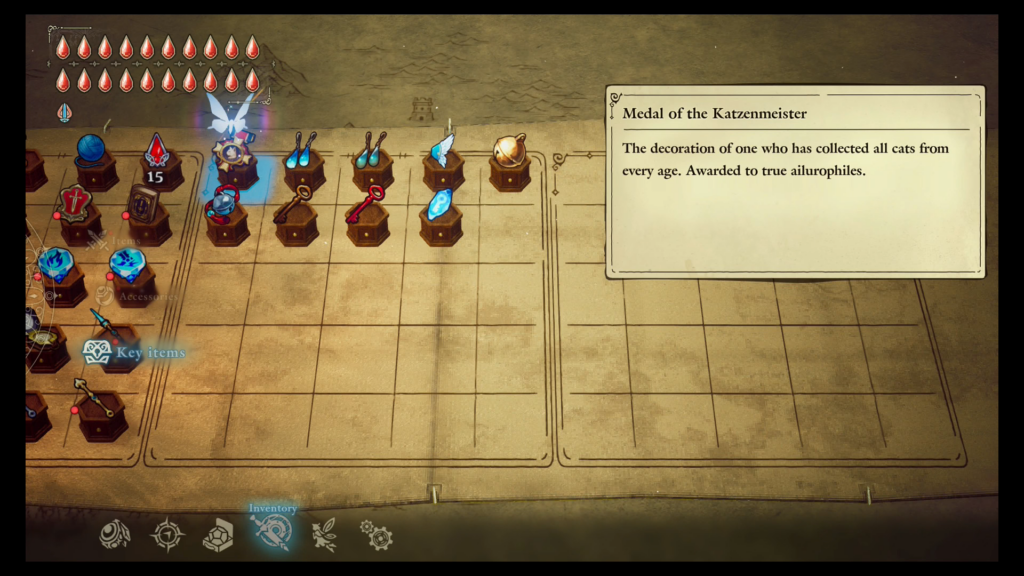
The true ending also adds a lot. Without spoiling things, if you want the truly marvelous end boss fight, you need to work toward the true ending, and yes, that involves finding a lot of cats. That is both ridiculous and wonderful. A game that can make cats important to reaching the best ending is doing something right.
The final boss and true ending route made the journey feel worth completing. This was not just a case where Simone reached 100% because she felt obligated. The game gave enough secrets and payoff to justify the effort.
Rating for story and setting
I have visited multiple aspects of the story, and after some thought and objective thinking, I rated the story and setting with a 9.
Gameplay and mechanics
Core gameplay mechanics
The gameplay is a strong mix of action RPG exploration, combat, puzzle solving, upgrades, and co-op support. The game gives Elliot different combat options, while Faie brings magic, utility, and support. Together, they make the adventure feel more flexible than a simple solo action game.
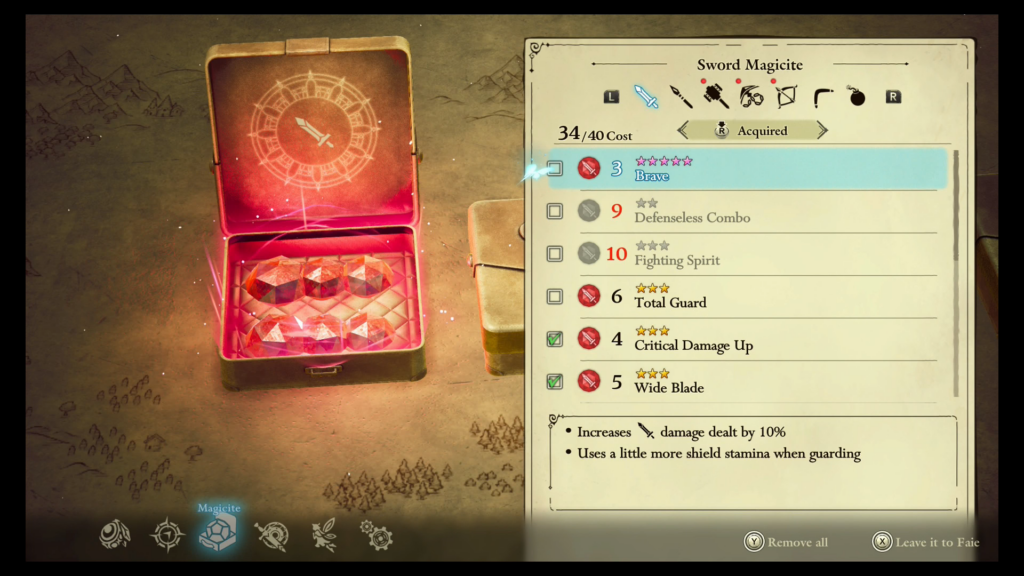
The magicite upgrading system is one of the best mechanics. It gives you a reason to search, solve puzzles, and think about how you want to build your combat style. Upgrading magicite feels rewarding because it directly improves how you approach fights. You are not just gathering numbers for the sake of numbers; you are shaping your build.
Co-op makes the combat even better. Bosses become more tactical when one player controls Elliot and the other controls Faie. Simone played Elliot, while I played Faie, and that setup worked very well. Faie’s spells have cooldowns, and with a proper build she can deal insane amounts of damage, support Elliot, and help control the fight. That makes co-op feel active instead of decorative.
There are some minor issues, though. The treasure system can be disappointing. Doing a hard puzzle and then finding worthless magicite or a reward that does not feel useful is a bit of a bummer. It would have been better if treasure chests were more consistent, giving proper magicite, gold, or something that always felt worth the effort.
Difficulty and balance
The difficulty balance is mostly good. Bosses can be challenging, but co-op makes them more manageable and more exciting. Having Faie controlled by a second player gives fights a stronger tactical layer because you can divide attention, time spells, provide pressure, and support each other.
The game also avoids the infinite healing problem some people complained about. That was only in the tutorial, so I really wonder how long some reviewers actually played. Once the game properly begins, you cannot just mindlessly heal forever and call it a day. You still need to manage combat, dodge, use abilities well, and prepare your build.
Pacing of the game
The pacing is strong overall, though the co-op arriving late can affect the early experience. If you explore heavily before reaching the point where drop in co-op unlocks, the game can feel like it is holding back one of its best features. Once co-op is available, the pacing improves because the adventure becomes more interactive for both players.
The story pacing works well because the time travel mystery keeps building. You are not just moving from one area to the next without purpose. There is a clear sense that the world has secrets, and each era adds another piece.
The 100% route also has decent pacing because the cats, true ending requirements, treasure, and upgrades give you long term goals. It does not feel like empty completion for the sake of completion. Most of the time, there is a good reason to keep looking around.
Innovation and uniqueness
The game stands out because of its combination of HD 2D visuals, action RPG combat, time travel exploration, and meaningful co-op. That mixture gives it a strong identity. It is not just another nostalgia RPG trying to look pretty. It actually has a structure that makes the time travel and combat matter.
The co-op is especially clever because Faie is useful in several ways. She is not just a weaker version of Elliot. She plays differently, helps differently, and brings a different rhythm to fights. That makes the two player experience feel worthwhile.
The time travel structure is also a good idea. Seeing the same places in different eras could have been lazy if nothing meaningful changed, but here the differences matter. The world feels like it is being explored through history instead of just through geography.
Controls and user interface
The controls are solid, especially once both players understand their roles. Elliot handles the direct action side, while Faie brings magic and support. In co-op, this creates a nice rhythm where one player is often closer to danger while the other manages spells, cooldowns, and positioning.
The interface is clear enough for upgrades, magicite, treasure, and general progression. Magicite management is easy to understand, and the game gives enough information to make build choices feel intentional.
Microtransactions
There are no intrusive microtransactions ruining the game. There is deluxe type bonus content and accessories, but the core experience does not feel damaged by monetization. The adventure stands on its own.
Rating
After combing through many of the mechanics, the pacing, and other factors of this game, I rated the gameplay and mechanics with a 9.
Graphics and art style
Quality of graphics and art direction
The graphics are beautiful. The HD 2D style works extremely well for this kind of adventure, giving the world a classic RPG feeling while still making it feel modern, detailed, and atmospheric. It has that lovely mix of old and new where the characters and environments feel nostalgic but not outdated.
I especially loved seeing the same places across different eras. Some people complained that the eras look too similar, but again, that is kind of the point. If you are traveling through time in the same world, the locations should resemble each other. The fun comes from seeing what changed, what stayed, and how one era affects another.
The game uses those differences well. A place can feel familiar but still altered enough to make you think about its history. That makes the world more memorable than if every era had been completely unrelated.
The true ending route also gives the visual presentation a stronger payoff. No spoilers, but the proper final boss fight is marvelous and worth the extra effort. If you want the best version of the ending, go find those cats.
Technical performances
The technical performance was strong overall. The game looks great and still plays smoothly enough for action combat and co-op. That matters because action RPGs need responsiveness. If dodging, attacking, casting, or moving feels delayed, the whole experience suffers.
Co-op also worked well for us. Having one player control Faie did not feel awkward, and the game handled the extra activity in boss fights nicely. When spells, attacks, enemies, and movement all come together, the game remains readable.
Environment and design uniqueness
The environment design is one of the best parts. The world feels carefully built around time travel. Instead of simply making random areas, the game lets you see how locations change across eras. That gives the adventure a stronger identity.
The era differences are not always massive, but they are meaningful. They support the theme of time, history, and consequence. That is much more interesting than just making four unrelated worlds with different colors.
Rating
It took me some time to give the graphics and art style an objective rating. There are many things to consider, but ultimately, I rated this section with a 9.5
Sound and music
Music score and how it contributed to the game
The sound and music are awesome. The soundtrack fits the adventure well, giving the game that grand RPG feeling without drowning out the action. The music supports exploration, boss fights, emotional scenes, and mystery in a way that makes the whole journey feel more polished.
A good adventure needs music that makes you want to keep going, and this game has that. It gives areas their own atmosphere and helps make the time travel feel bigger than a simple gameplay mechanic.
Sound effects quality
The sound effects are strong. Combat has good impact, spells feel satisfying, and boss fights sound properly dramatic. Faie’s magic also benefits from good audio feedback, which matters when you are using cooldowns and trying to time attacks in co-op.
Exploration sounds are also pleasant. The game has enough little audio details to make the world feel alive without becoming noisy.
Voice Acting
The voice acting is very good. It gives the story more personality and helps the characters feel alive. In a game with time travel, plot twists, emotional moments, and a big adventure structure, good voice acting can make a huge difference.
The performances help sell the story, especially during the bigger reveals. The plot twist would not have landed as well if the characters felt flat, but the voice acting gives those scenes the extra push they need.
Rating
After a lot of consideration, I rated the sound and music section with a 9.
Replayability
Game Length and content volume
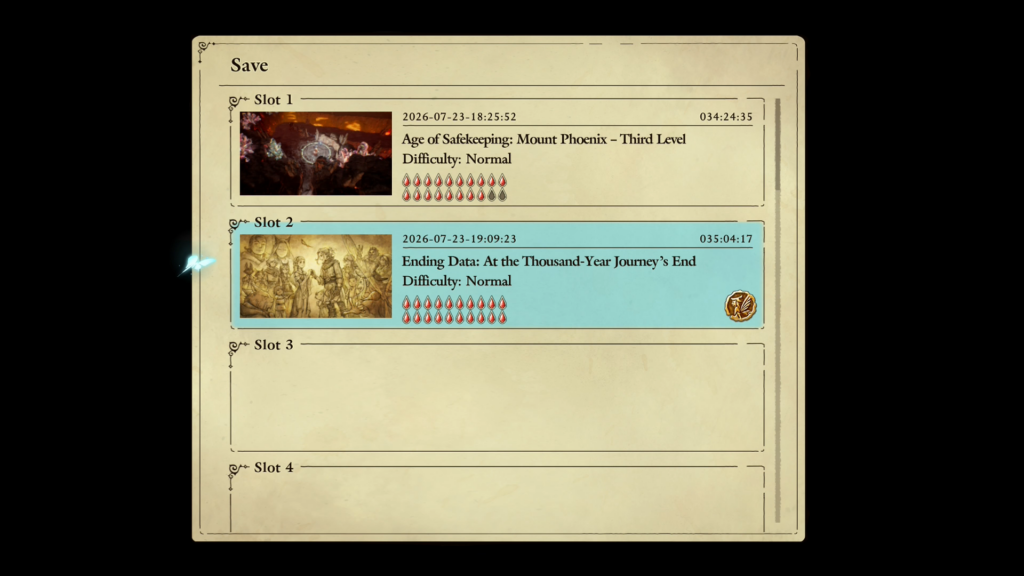
With a standard playthrough sitting around the 30 hour mark and a fuller completion run moving closer to 50 hours, the game has a healthy length without becoming a giant RPG slog. It feels like a proper adventure, and if you go for the true ending, cats, upgrades, treasure, and full exploration, there is enough here to keep you busy for a good while.
Extra Content
The extra content is meaningful because it leads toward the true ending. Finding cats might sound silly, but it gives the player a good reason to explore more thoroughly. It also fits the game’s tone nicely. Serious time travel adventure? Yes. Also, cats. Good.
The magicite upgrades also count as strong extra content. Improving your build, finding better options, and experimenting with Faie’s spells and Elliot’s combat setup gives the game more depth.
The only issue is the treasure reward system. Some optional discoveries do not feel as satisfying as they should. If the game asks players to solve hard puzzles, the reward should match the effort better.
Replay value
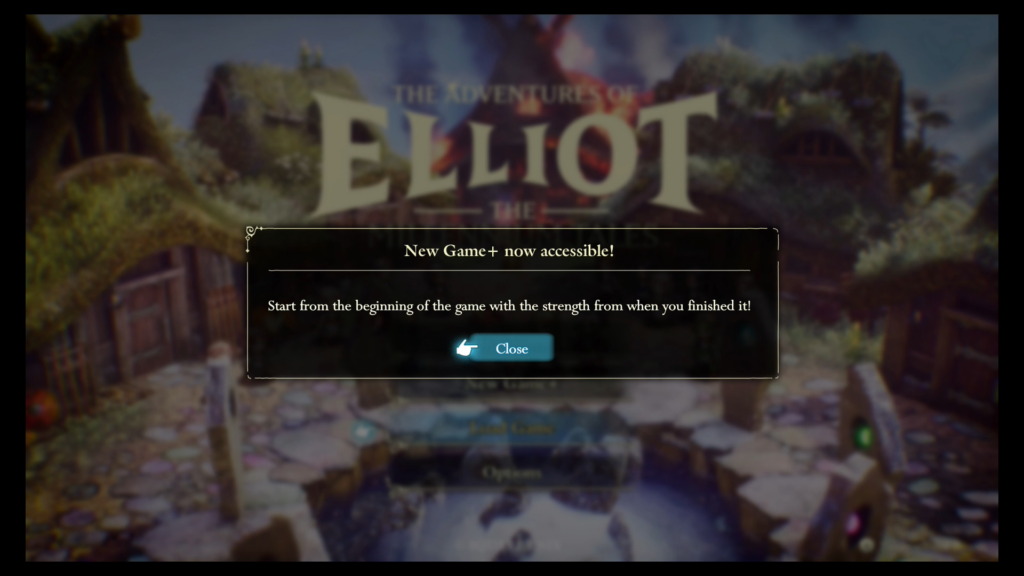
The replay value is good, especially for people who enjoy New Game+ and co-op. Playing again with knowledge of the plot twist could also be interesting, because time travel stories often feel different the second time. You start noticing things you missed before.
However, once you have 100% completed the game and seen the true ending, the urge to replay depends on how much you want to experience the combat again. Simone felt ready to move on, and that is fair. The game gave a full adventure and a satisfying ending, so it did its job.
Rating
After thoughtful consideration, I decided to rate the replayability and game length of this game with a 8.
Suggestions and comparisons
Suggestions and feedback
The biggest thing I would improve is treasure. If a chest is hidden behind a hard puzzle, the reward should feel useful. Finding worthless magicite after a difficult challenge is not satisfying. The game should either give more meaningful magicite, more gold, rare materials, unique equipment, or something that always feels worth the effort.
The economy also needs a better late game money sink. Once the magicite boxes are upgraded, money mostly goes toward potions, and that makes gold less exciting. More optional upgrades, cosmetics, special items, or late game crafting would help.
The fifth era is another big tease. If the game mentions it, I want to visit it. Maybe that is being saved for a sequel, but it still felt like a missed opportunity. The time travel concept is strong enough that another era could have added even more depth.
Comparisons
Compared to many story heavy action RPGs, The Adventures of Elliot: The Millennium Tales has more reason to keep exploring after the main path because the true ending, cats, magicite upgrades, treasure, and New Game+ all give the player extra goals. It does not feel like a game where the credits are the only thing that matters. If you want the best boss fight and the full payoff, you need to dig deeper.
Compared to something like a traditional linear RPG, the time travel structure also helps replayability because revisiting locations in different eras feels more meaningful. You are not just going back to the same place for filler; you are seeing how that area changed, what connects across time, and what you may have missed before. That makes completion feel more rewarding than simply cleaning icons off a map.
Personal experiences and anecdotes
Playing together was one of the best parts of the whole experience. Simone played Elliot, and I always played as Faie. That setup made the game much more fun because I was not just watching her adventure from the sidelines. I was actively helping in fights, solving problems, using spells, and trying to keep bosses under control.
Faie is a great co-op character. She has multiple spells with cooldowns, and with the right build she can deal insane damage, provide utility, help with positioning, and support Elliot in key moments. During hard boss fights, that made teamwork feel important.
Taking down difficult bosses together was extremely satisfying. Some fights required proper coordination. Simone had to handle Elliot’s movement and attacks, while I had to time Faie’s spells and help where I could. When everything worked, it felt fantastic.
The plot twist was another major highlight. No spoilers, but it was proper time travel hijinx, and it actually made us stop and talk about how it should work. That is the kind of story moment I love. If a game gets us discussing its logic after playing, it has done something right.
Rating
Taking in all the personal experiences with this game, I give it a personal rating of 9.5.
Last words
Pros
- Beautiful HD-2D graphics.
- Excellent time travel world design.
- Drop in co-op is a fantastic surprise.
- Faie is useful and fun as a co-op partner.
- Magicite upgrading gives combat good depth.
- Boss fights are much more tactical in co-op.
- Voice acting is very good.
- The true ending and plot twist are memorable.
Cons
- Drop in co-op can unlock a bit late if you explore heavily.
- Treasure chest rewards can feel disappointing after hard puzzles.
- The fifth era being mentioned but not visitable feels like a tease.
The Adventures of Elliot: The Millennium Tales was a very fun and very positive surprise. Simone wanted the game, pre ordered it, and eventually 100% completed it. I joined through co-op as Faie, and that made the journey much better than expected. The game already looked like a promising HD 2D action RPG, but the co-op turned it into something we could properly enjoy together.
The time travel setup works well, and I actually disagree with the complaint that the four eras look too similar. They are supposed to. It is the same world across different periods, and seeing how places change is part of the fun. The plot twist was great, the true ending was worth chasing, and the final boss route involving all those cats made the adventure even more memorable.
There are minor flaws. The co op could have unlocked earlier, treasure chest rewards should feel better, and I really wanted to visit that fifth era. But those complaints do not ruin the game. They are more like things that could make a sequel or expanded version even stronger.
This was a big adventure, the voice acting was great, the co-op was genuinely fun, and the story gave us time travel nonsense good enough to discuss afterward. That is an excellent sign.
FINAL RATING

9
Please let me know what you think of The Adventures of Elliot: The Millennium Tales in the comments.
I hope you enjoyed reading this review. I hope to see you in the next review!
If you liked reading this review, maybe you would like to share this review with your friends.