
Introduction
Basic information
Developer Name: Too Many Productions, led by Kobazco
Full Name: Super Mariomon
Release Date: April 6, 2025
Released on: Game Boy Advance ROM hack of Pokémon Emerald, playable through compatible emulators
Cross Play: No
Initial thoughts
I was looking for another ROM hack to play when my eyes landed on Super Mariomon. Pokémon gameplay, but every Pokémon has essentially been replaced by creatures and characters from the Mario universe? Naturally, I was going to try that.
It also immediately reminded me of one of our Discord quests where we asked what would happen if one gaming universe suddenly became infected by another. Super Mariomon is basically that concept taken to its logical extreme. Pokémon mechanics have invaded the Mushroom Kingdom, and suddenly Piranha Plants, Bob ombs, Bloopers, Shroobs, bosses and creatures from all over Mario history can be caught, trained and evolved.
I expected a funny crossover hack. What surprised me was how much work had gone into turning that joke into an actual full game.
Story and setting
Plot overview
Mario is once again heading out on an adventure, but this time Professor E. Gadd has apparently decided that plumbing and jumping are no longer enough. Mario needs a Capture.
At the beginning you choose between three starters, a Piranha Plant, Blooper or Bob omb. I naturally picked the Piranha Plant and named him Plant. Truly groundbreaking character naming.
From there, Mario heads across a completely reworked Mushroom Kingdom collecting eight Power Stars. Structurally, this fills the familiar role of Pokémon’s eight gyms, but the story surrounding them is completely different. Princess Peach has created a competition where whoever gathers all eight Power Stars earns a wish, while Bowser naturally has absolutely no intention of letting Mario enjoy this peaceful sporting event.
The Power Star holders are Mario characters rather than traditional Gym Leaders, and every world feels connected to whatever character is waiting at the end. Peach, Daisy, Wario, Waluigi, Donkey Kong, Pauline, Rosalina and Bowser give the adventure a proper Mario progression rather than simply pretending they are Pokémon trainers standing in renamed gyms.
The story is silly, energetic and full of references, but importantly, it actually feels written for this game.
World building and immersion
The amount of Mario history packed into the world is fantastic.
You travel through worlds based on different corners of the franchise. Moving from traditional Mushroom Kingdom locations into places influenced by games such as Super Mario Odyssey, Super Mario Galaxy, WarioWare, Donkey Kong, Paper Mario, Mario and Luigi and plenty more.
The Captures reinforce that constantly. You might begin with something as recognizable as a Piranha Plant, then later discover creatures pulled from much more specific games. Seeing Shroobs and even Yoob appear was especially fun after recently playing Mario and Luigi: Partners in Time. There are creatures here that make you realize the developers did not simply open a list of the twenty most famous Mario enemies and stop there.
Character development
Mario himself is still Mario, so do not expect a dramatic seventy hour character study about his internal plumbing related trauma. The personality mostly comes from the characters surrounding him.
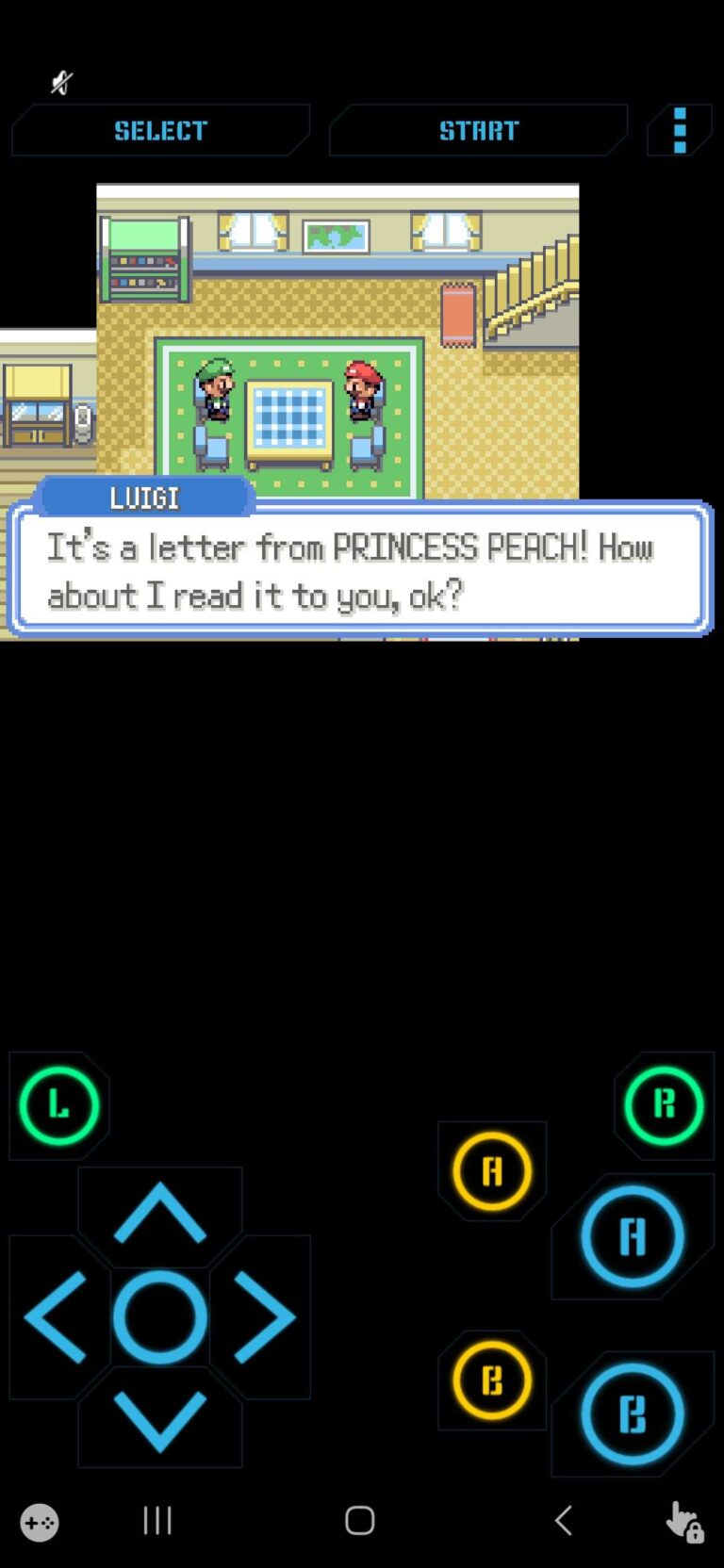
Professor E. Gadd works brilliantly in the Pokémon professor role because handing Mario weird creatures and sending him outside to document them feels exactly like something E. Gadd would do. Luigi also fits naturally into the rival position and keeps appearing throughout the adventure with teams affected by which starter you originally selected.
The Power Star holders have their own personalities as well. Seeing Wario, Waluigi, Pauline, Rosalina and the rest translated into Pokémon style bosses gives each major section a fun identity. The real character development, however, happens in your team.
Emotional impact
The biggest emotional response I had was excitement whenever I found another Capture I recognized.
Completing a Pokédex is already satisfying if you enjoy collection games. Completing a Tattledex filled with characters from decades of Mario games adds another layer because every new discovery can trigger a memory. Oh, they put THAT thing in here?
That happened constantly. There is also a satisfying feeling of progression because your original little Capture eventually evolves into something much more ridiculous. Plant did not remain a humble Piranha Plant forever. Like Pokémon, Captures evolve, gain stronger moves and become proper members of your battle team.
Rating for story and setting
I have visited multiple aspects of the story, and after some thought and objective thinking, I rated the story and setting with a 9.
Gameplay and mechanics
Core gameplay mechanics
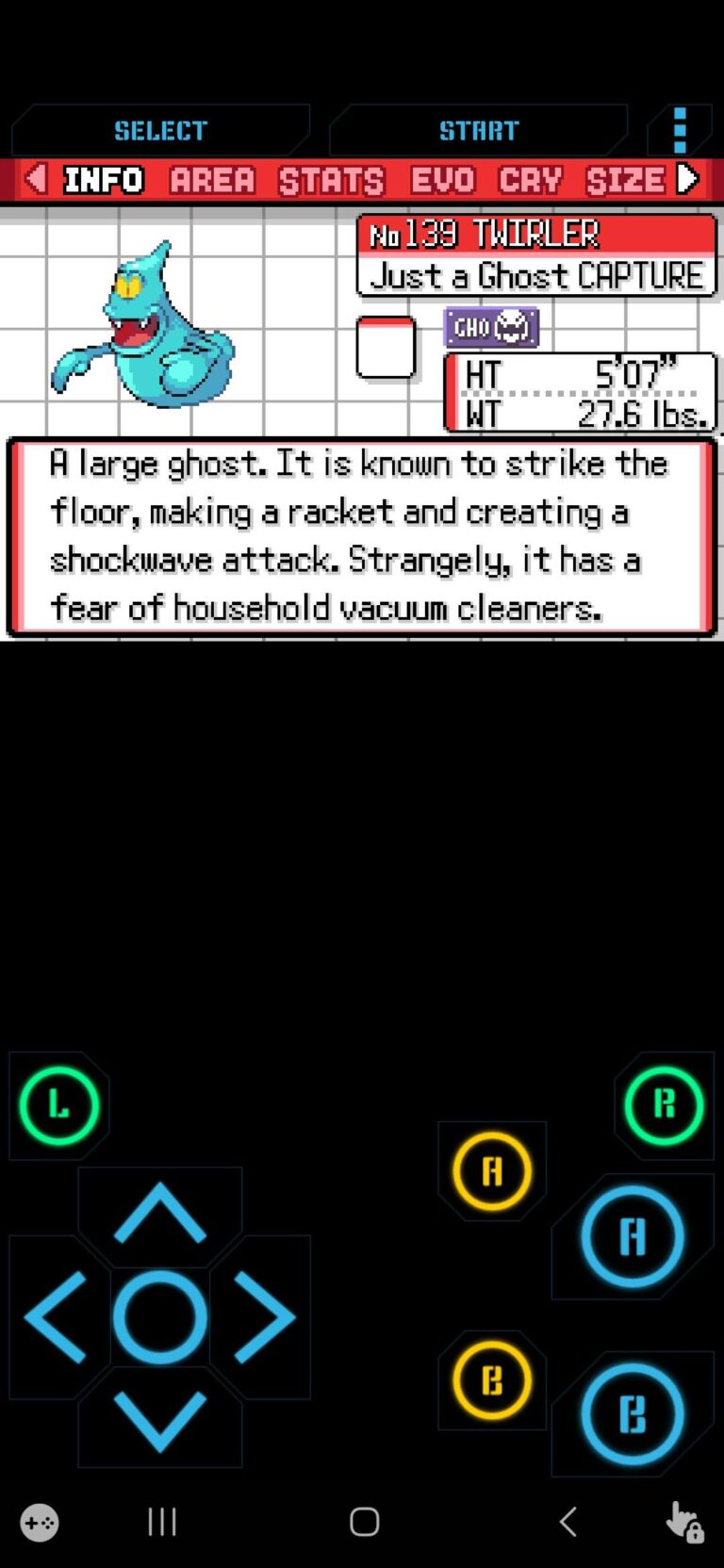
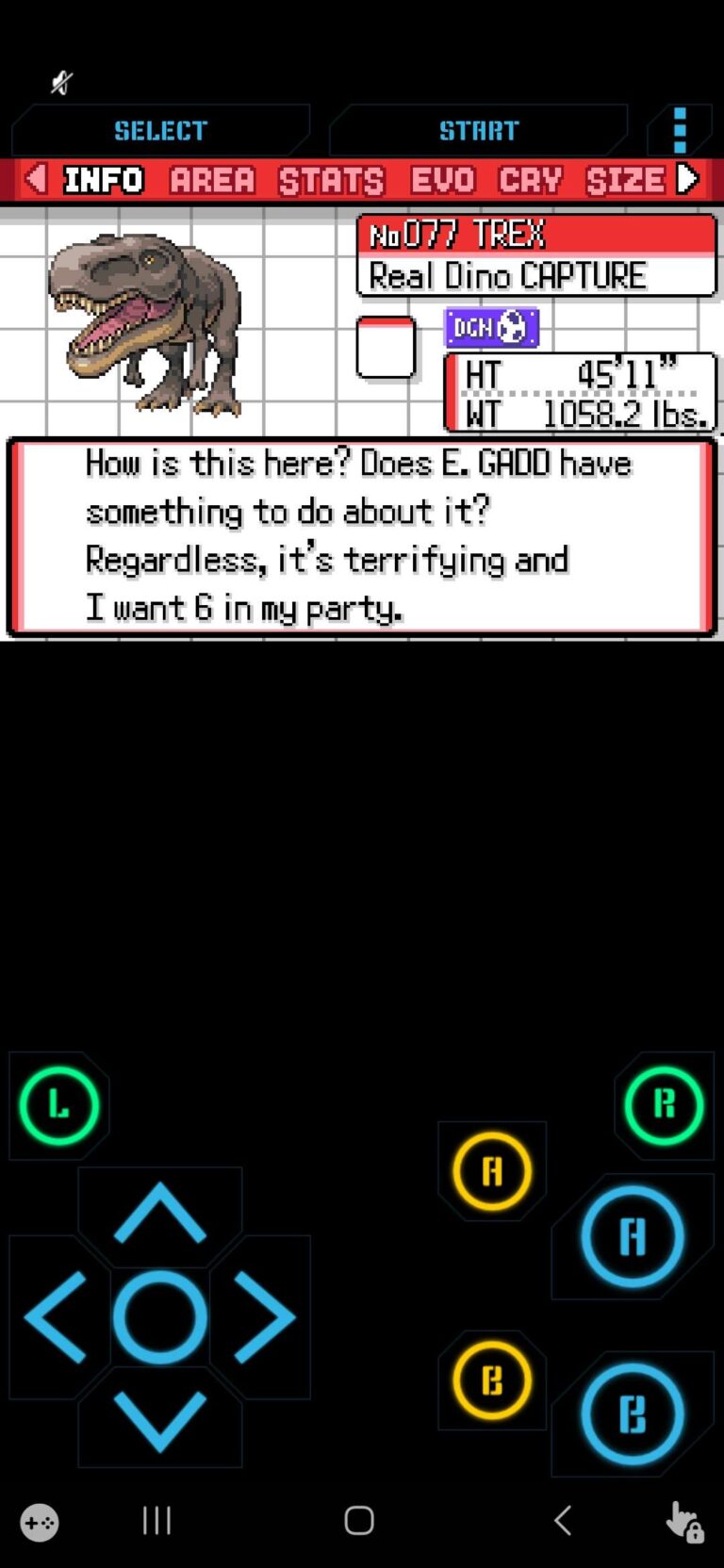
The Tattledex contains 151 main Captures with a secret number 152 waiting for players who really commit to completion. That is a huge amount.
They are not simply cosmetic replacements either. Captures have types, evolution lines, abilities, moves and statistics designed around their Mario origins. A Piranha Plant eventually becoming Petey Piranha makes sense. Bob ombs evolving into increasingly ridiculous explosive creatures makes sense. Other evolution lines can be much more surprising.
Double battles also appear, giving you situations where team synergy becomes more important than simply sending your strongest creature forward and pressing the same attack until everything dies.
The game retains more advanced Pokémon mechanics as well, including things such as IVs, EVs, held items and reusable TMs. Players who enjoy team building can therefore go much deeper than simply finishing the story.
Difficulty and balance
The normal difficulty felt well balanced for what the game was trying to accomplish.
You still need to understand types and maintain a reasonably competent team, especially later on, but this is not one of those ROM hacks designed purely to make competitive Pokémon experts cry.
The Power Star battles become more demanding as you progress, and certain encounters encourage you to think more carefully about your team. Double battles can also punish a group that has no synergy.
The game includes optional settings for players who want something harder, including level caps, scaling options, and a built in Nuzlocke mode.
I like that approach much more than forcing everybody into the same brutal difficulty.
Pacing of the game
The game moves at a good pace because each world has its own identity.
You are not simply travelling between eight nearly identical gyms. Each Power Star represents another Mario themed section with new Captures, new characters and often another set of jokes or mechanics. There is even some freedom in how you progress. After the second Power Star, Worlds 3 and 4 can be tackled in either order, with trainer levels adjusting depending on your choice.
That kind of flexibility is a nice touch. The large number of Captures also means that your party can change constantly without requiring you to deliberately grind for hours just to find something new.
By the time the main story starts reaching its final stages, the game has already travelled through so many different corners of the Mario franchise that it genuinely feels like a massive crossover adventure.
Innovation and uniqueness
Mario themed Pokémon hacks are not a completely impossible concept to imagine. Actually rebuilding almost every part of Pokémon Emerald around that idea is something else entirely.
The Tattledex has its own enormous roster. Evolution lines have been redesigned. Overworld abilities use Mario objects. Warp pipes handle travel. Power Stars replace badges. Mario characters become major trainers. Legendary style Captures are hidden behind their own challenges. New quests exist throughout the world.
It is not just a reskin. That distinction is incredibly important. You can tell that the developers wanted to create a new game using Pokémon mechanics rather than simply make Pokémon Emerald look funny.
Controls and user interface
Anyone familiar with Pokémon Emerald will understand the controls immediately. The menus, battles and general movement retain the GBA simplicity, while custom Mario graphics make the interface fit the new universe.
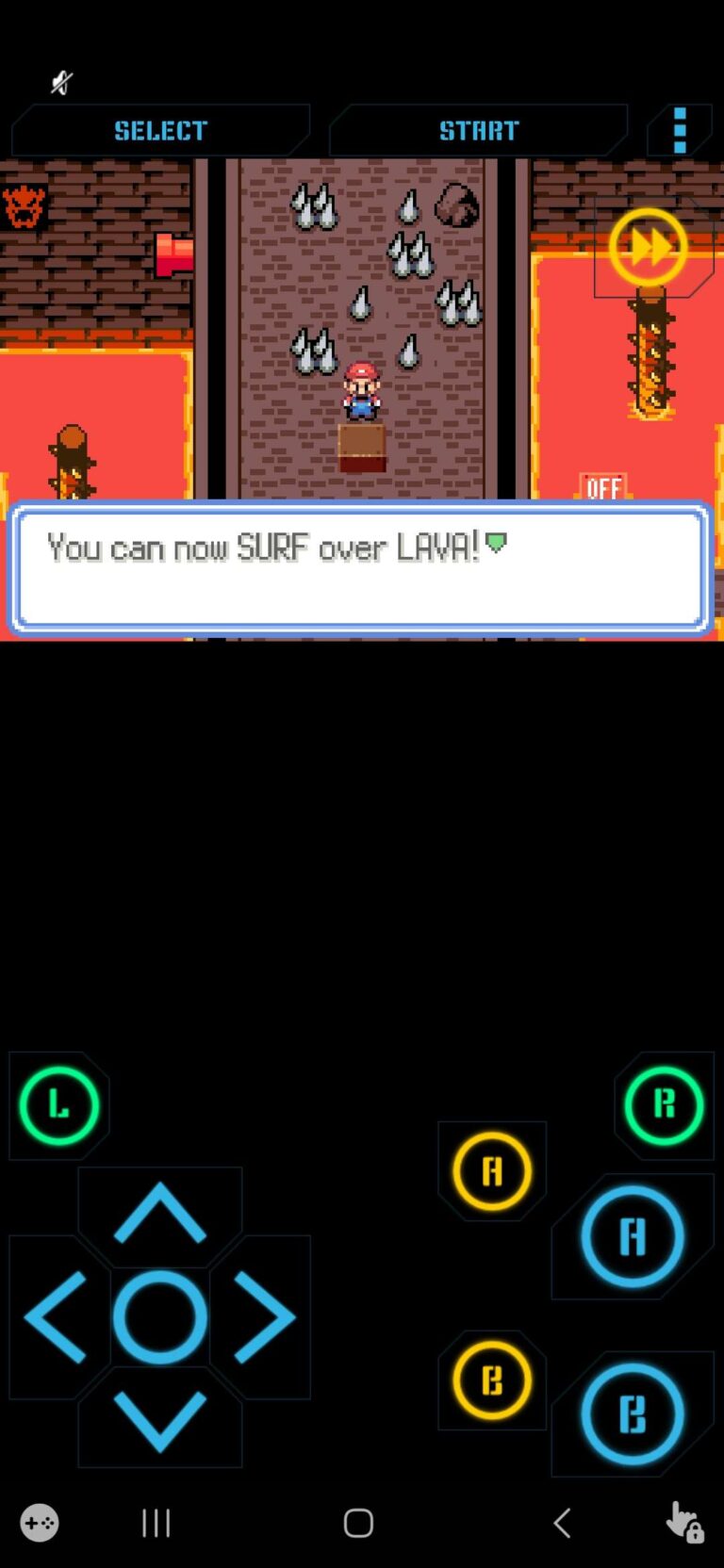
Warp pipes are particularly convenient because they turn fast travel into something that feels completely natural for Mario. The Tattledex is also useful because completing the collection becomes such a significant part of the adventure. With 152 possible entries, having a recognizable system for tracking them matters.
Playing through an emulator also means your exact control experience depends on your setup, but on a properly supported emulator, the game fits the GBA controls nicely.
Microtransactions
There are no microtransactions.
No premium Power Stars.
No €2.99 Master Ball bundle.
No monthly E. Gadd Research Pass.
No buy 500 Mushroom Coins to revive your exhausted Capture.
It is a fan made ROM hack. You play the game and earn things by playing it. Beautiful.
Rating
After combing through many of the mechanics, the pacing, and other factors of this game, I rated the gameplay and mechanics with a 9.
Graphics and art style
Quality of graphics and art direction
For a ROM hack, I was astonished by the amount of visual work. The game still clearly comes from Pokémon Emerald, but virtually everything around you has been redesigned to fit Mario.
Characters, trainers, Captures, environments, objects, interface elements and major locations all help sell the crossover.
There are moments where it genuinely feels strange to remember that underneath everything sits a Game Boy Advance Pokémon game.
Technical performances
The developers have continued fixing issues since the original launch, with major bug fixing updates followed by the Anniversary version.
The officially supported emulator is mGBA, and using the intended setup is important because ROM hacks can behave differently depending on the emulator.
With a stable setup, the game is impressively ambitious for the Emerald engine. There are huge numbers of custom sprites, new maps, scripted sequences, quests, and unusual encounters running inside something originally built for a very different game.
Environment and design uniqueness
This is where the graphical work really shines. The game does not merely replace grass with Mario grass and call it finished.
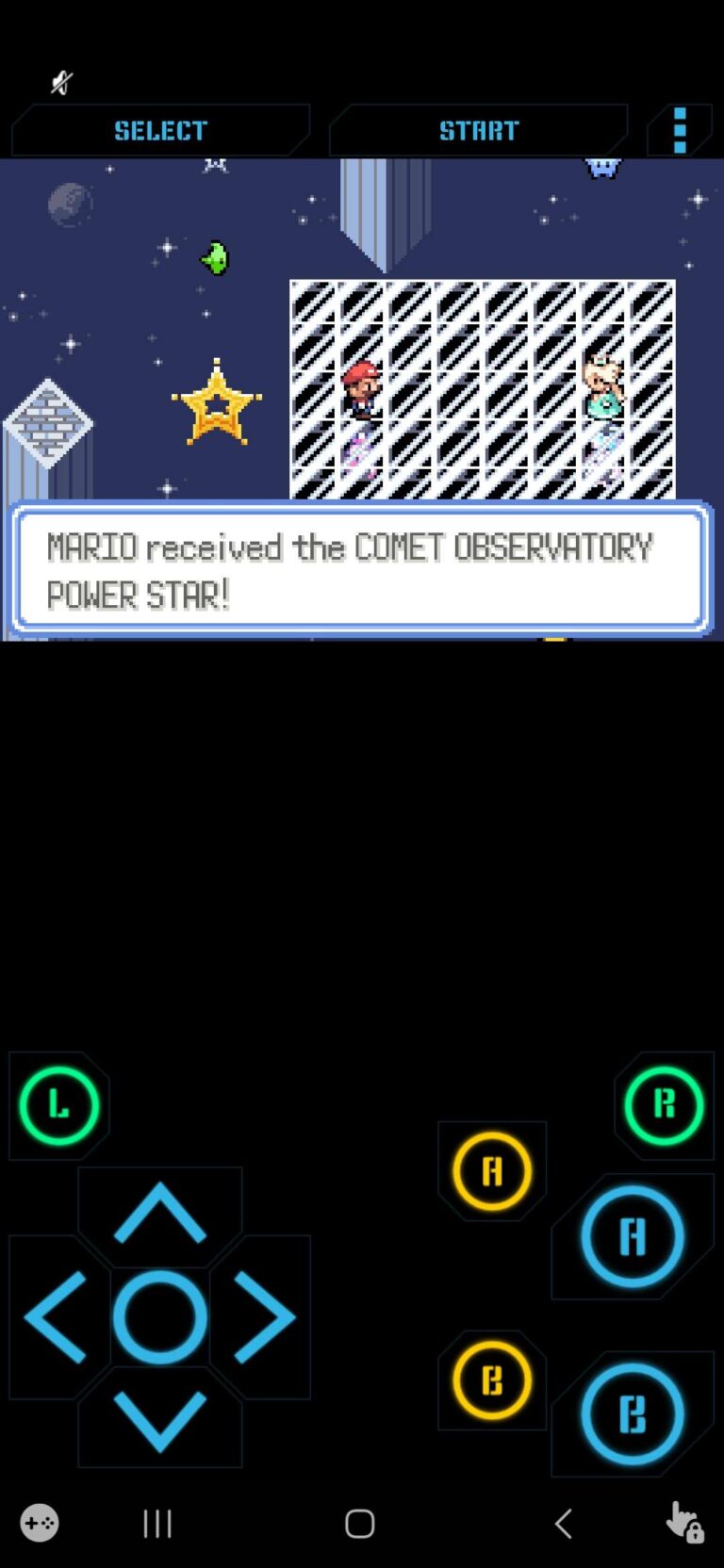
Worlds are designed around different Mario settings. Diamond City brings in WarioWare. New Donk City naturally pulls from Super Mario Odyssey. The Comet Observatory taps into Super Mario Galaxy. Other areas borrow from traditional Mario worlds and more obscure corners of the franchise.
Even little environmental ideas matter. Question Blocks, pipes, Mario scenery and recognizable objects constantly remind you which universe you are exploring.
Rating
It took me some time to give the graphics and art style an objective rating. There are many things to consider, but ultimately, I rated this section with a 9.0.
Sound and music
Music score and how it contributed to the game
There is so much Mario music here, and naturally, that is always fun to hear.
Different worlds pull from different parts of Mario history, helping each location establish its own personality. Familiar songs immediately tell you what kind of area you have entered before the game even needs to explain it.
The special and late game areas are particularly fun because the music helps sell the feeling that you have reached something outside the normal journey.
Sound effects quality
Mario sound effects mix surprisingly naturally with the Pokémon style interface. Battle actions, captures, menu interactions and environmental moments all use familiar audio cues without becoming annoying.
There is something inherently amusing about performing Pokémon mechanics while hearing noises you normally associate with blocks, pipes, enemies and other Mario objects.
The result adds personality without interfering with the clarity required by a turn based RPG.
Voice Acting
There is no proper voice acting. That fits the GBA presentation perfectly.
Characters communicate through dialogue boxes, sprites and familiar sounds, just like the games that inspired the hack. Full voice acting would probably feel bizarre here rather than improve anything.
Rating
After a lot of consideration, I rated the sound and music section with a 9.
Replayability
Game Length and content volume
A straightforward run will probably take somewhere around 18 to 25 hours depending on how much you explore and how quickly you build your team.
Completion is another story. The Tattledex, postgame battles, legendary Capture challenges, optional quests and hidden items can easily push the playtime well beyond 30 hours.
That is a lot of game for a fan project. More importantly, most of that extra time has an actual purpose. You are not simply grinding the same route forever to make a percentage counter increase.
Extra Content
The postgame contains some of my favourite ideas. The Pit in New Donk City gives players another challenge to explore after finishing the main adventure.
Toadette’s Battle School also offers increasingly difficult battles and useful rewards, including things such as Bottle Caps and other team building items. This gives players who enjoyed the battle system a proper reason to continue improving their Captures.
Then there is the Tattledex. Finding all 151 normal Captures is already a large job, while the secret number 152 becomes the final reward for anybody determined enough to complete the collection.
Legendary Captures also have their own challenges. Rather than simply standing in an obvious cave waiting for you, some are hidden behind puzzles or maze like areas. That makes finding them feel much more satisfying.
Replay value
The sheer number of Captures already creates replay potential. A second playthrough could use a completely different starter and team. The starter choice also influences certain rival teams, which gives the early game another small layer of variety.
The built in difficulty options offer another reason to return. Someone who finished the standard game could attempt level caps or Nuzlocke rules next time, while the ability to approach certain worlds in different orders gives a little flexibility to the journey.
Most importantly, the team building is simply fun enough that experimenting with different Captures has value on its own. With 152 possibilities, there is no reason every run needs to look the same.
Rating
After thoughtful consideration, I decided to rate the replayability and game length of Super MarioMon with a 9.
Suggestions and comparisons
Suggestions and feedback
There honestly is not much I would fundamentally change. The obvious answer is that I want another game.
The first Super Mariomon already proves the concept works, and there are still ridiculous numbers of Mario characters, enemies, bosses and locations that could be turned into another Capture roster.
A sequel could go even further with double battles, alternate evolutions, new worlds and creatures from newer Mario releases. I believe the team has already discussed or worked toward more Mariomon related material, and after finishing this one, I absolutely understand why people want another adventure. The main game itself is already remarkably complete.
Comparisons
Compared to a normal Pokémon ROM hack, Super Mariomon stands out because almost every major element has been rebuilt around another franchise.
Many crossover hacks simply replace Pokémon sprites. This goes much further.
Compared to Celia’s Stupid Romhack, this is far less focused on obscure puzzle insanity. There are puzzles and secrets, but the main adventure still feels like a traditional creature collecting RPG rather than somebody locking the Pokémon League behind psychological warfare.
Compared to Pokémon Ultra Violet, the collection aspect scratched a similar itch for me. Both give you a strong reason to fill the entire dex, but Super Mariomon has the added fun of wondering which Mario creature has been transformed into the next Capture.
And compared to official Pokémon games, the amount of personality here is honestly impressive. The basic eight boss structure is familiar, but the completely new story, locations and roster make the experience feel fresh.
Personal experiences and anecdotes
One of the best parts of these games is always getting that final missing creature. In Super Mariomon, number 152 is Mechanical Tippi.
Getting that final Capture and completing the Tattledex felt fantastic because the journey there had taken me through such an absurd cross section of Mario history.
There were so many moments where I recognized something completely unexpected. Shroobs? Yep. Yoob? Also here.
Creatures from Paper Mario, Mario and Luigi, Super Mario Galaxy, Odyssey, classic platformers and other games keep appearing. That variety made completing the Tattledex much more enjoyable because I genuinely wanted to know what they had included next.
Plant also deserves recognition. My brilliantly named starter began life as a Piranha Plant and eventually grew into something much more threatening.
Plant, you did well. The name never improved.
Rating
Taking in all the personal experiences with Super MarioMon, I give it a personal rating of 9.
Last words
Pros
- The completely rewritten Mario themed story gives the hack its own identity.
- The huge Tattledex is extremely satisfying to complete.
- All 152 Captures pull from an enormous range of Mario games.
- Power Stars and Mario characters replace the traditional gym structure brilliantly.
- Evolutions, double battles and proper team building keep the Pokémon mechanics deep.
- Custom environments, sprites, music and sound effects show an incredible amount of work.
- The postgame has substantial extra content including the Pit and Battle School.
- Mario themed traversal such as Warp Pipes and shell surfing makes the crossover feel properly integrated.
Cons
- Some optional Captures and secrets can be difficult to discover without outside help.
- The experience depends on using a compatible emulator, with mGBA being the safest choice.
- Completing the full Tattledex can become time consuming for players who are not heavily into collecting.
Super Mariomon turned out to be far more than the funny crossover ROM hack I expected.
The Pokémon structure is still there, but almost everything surrounding it has been rebuilt. Mario gets his own adventure, E. Gadd hands out starter Captures, Power Stars replace gyms, Warp Pipes connect the world, and 152 creatures from across Mario history fill the Tattledex.
And that roster is fantastic. Seeing Shroobs, Yoob and so many other creatures from games across the franchise made exploring and collecting genuinely exciting. Finishing the Tattledex and finally reaching Mechanical Tippi at number 152 was a great conclusion to a collection that had kept surprising me throughout the entire game.
There is also far more to do than simply finish the main story. Double battles, special Captures, Toadette’s Battle School, legendary puzzles, the New Donk City Pit and the rest of the postgame make this feel unusually complete for a ROM hack.
I went into this because Mario plus Pokémon sounded fun. I came out wanting another one. That is probably the best compliment I can give it.
FINAL RATING

9
Please let me know what you think of Super MarioMon in the comments!
I hope you enjoyed reading this review. I hope to see you in the next review!
If you liked reading this review, maybe you would like to share this review with your friends.