
Introduction
Basic information
Developer Name: Taco Eaters
Full Name: Fear the Timeloop
Release Date: 2026
Released on: PC
Cross Play: No
Initial thoughts
We received a key directly from the developer, and going in, expectations were intentionally modest. All we knew was that it was a horror game with a time loop mechanic, and that alone could have gone in many directions. Indie horror often lives or dies by atmosphere and execution, so we approached it cautiously.
Very quickly, it became clear that Fear the Timeloop is not trying to compete with big budget horror titles. Instead, it commits fully to a focused, high concept idea: repetition as terror. The game leans heavily on old school survival horror design principles, which may not immediately click with everyone, but for players familiar with classic Resident Evil, the intent is clear and refreshing.
The most reassuring part, however, is how visible the developer’s involvement is. Patches are frequent, feedback is acknowledged, and rough edges are clearly being sanded down rather than ignored.
Story and setting
Plot overview
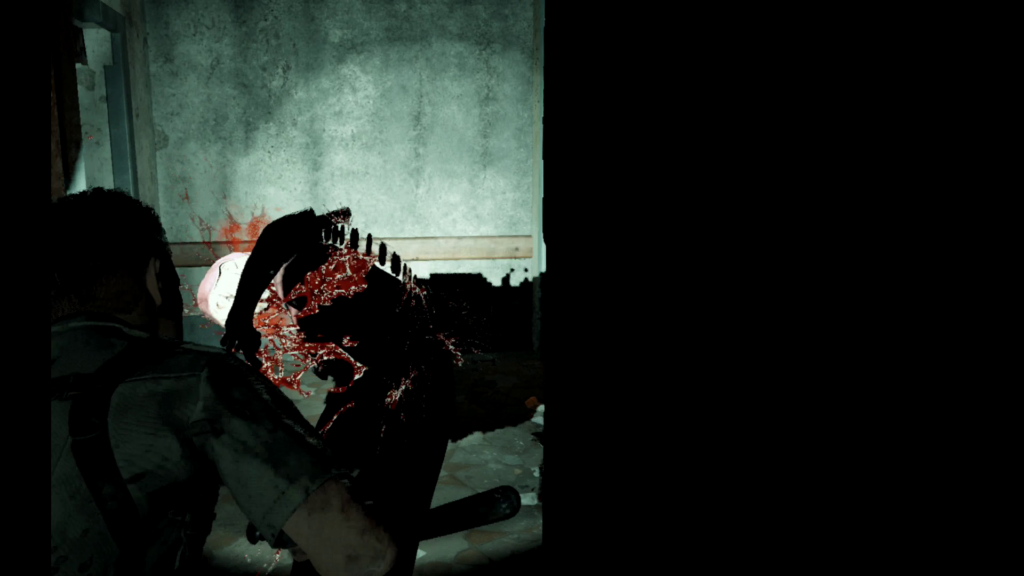
The story follows Cooper, who awakens in what can only be described as a nightmare hospital. He quickly realizes that he has been shot and is bleeding out, and death is inevitable. However, instead of the game ending, death becomes the beginning, each time Cooper dies, the loop resets, placing him back at the same starting point.
This premise is simple but effective. The hospital setting amplifies the feeling of helplessness, and the repetition reinforces dread rather than dulling it. Each loop feels like another failed attempt to escape a place that does not want you to leave.
World building and immersion
World building is understated but effective. There are no heavy exposition dumps. Instead, the hospital itself tells the story through layout, enemy placement, and environmental clues. Repeated traversal of the same areas slowly builds familiarity, which paradoxically increases tension, you know what’s coming, but that doesn’t make it safer.
The time loop deepens immersion by forcing the player to internalize the environment. Over time, the hospital stops being confusing and starts feeling hostile in a very deliberate way.
Character development
Character development is subtle but appropriate. Cooper is not heavily characterized through dialogue, but his arc is defined through action. Each loop reinforces his resilience, and the lack of excessive narration keeps the focus on survival rather than exposition.
Emotional impact
Emotionally, the game thrives on persistence. Frustration is common early on, but every small improvement across loops feels earned. Surviving longer, reaching a new room, or finally understanding a boss encounter creates a powerful sense of progress.
The emotional arc moves from fear, to frustration to determination, which fits the narrative perfectly.
Rating for story and setting
I have visited multiple aspects of the story, and after some thought and objective thinking, I rated the story and setting with a 7.6.
Gameplay and mechanics
Core gameplay mechanics
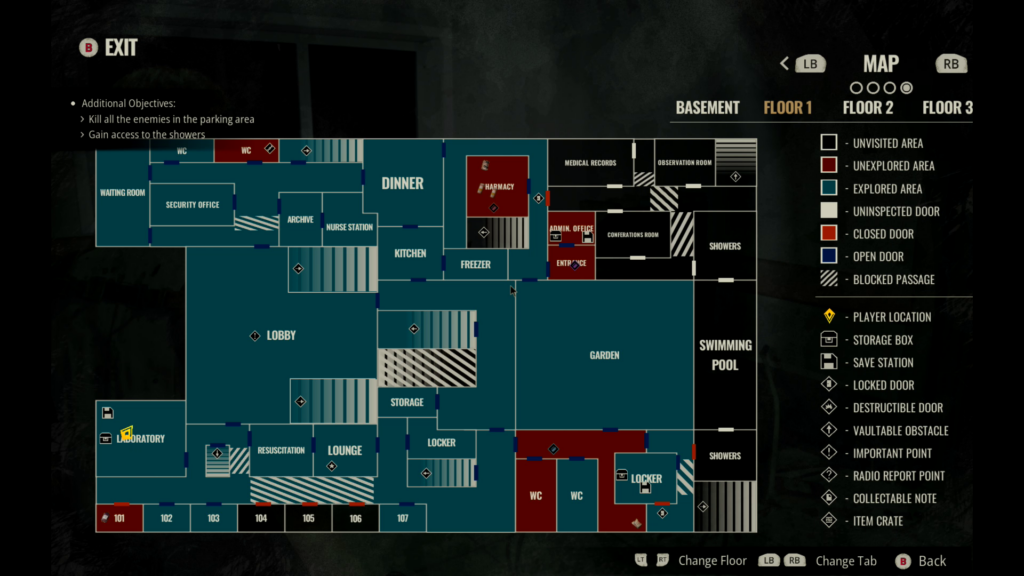
Gameplay is firmly rooted in classic survival horror. Exploration is methodical, inventory space is limited, and resource management matters. The map system is functional and helpful, especially as players begin to plan optimized routes through each loop.
That said, there is noticeable jank. Turning can feel stiff, camera shake can be excessive, and enemies occasionally get stuck or behave oddly. These issues are not game breaking, but they are noticeable. Importantly, the developer has been actively addressing these problems through patches, which inspires confidence in the game’s future. The jank is slowly reducing patch by patch.
Difficulty and balance
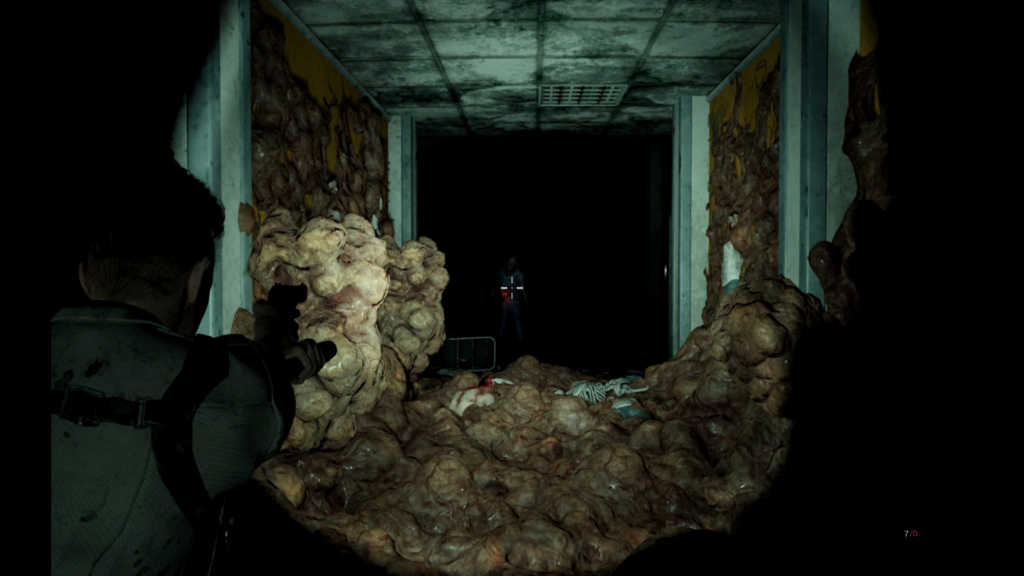
The game is challenging by design. Movement is slow, there is no dodge button, and combat demands commitment. Boss encounters are particularly demanding and often require multiple failed loops to fully understand mechanics.
Balance improves as knowledge increases, which reinforces the timeloop concept rather than undermining it.
Pacing of the game
Pacing is intentionally uneven. Early loops are short and punishing, while later loops become longer and more strategic as players gain mastery. This rhythm aligns well with the core concept, even if it occasionally feels unforgiving.
Innovation and uniqueness
The combination of survival horror and a timeloop structure is where the game truly stands out. Death is not simply failure; it is progression through knowledge. This redefinition of loss is the game’s strongest design choice.
Controls and user interface
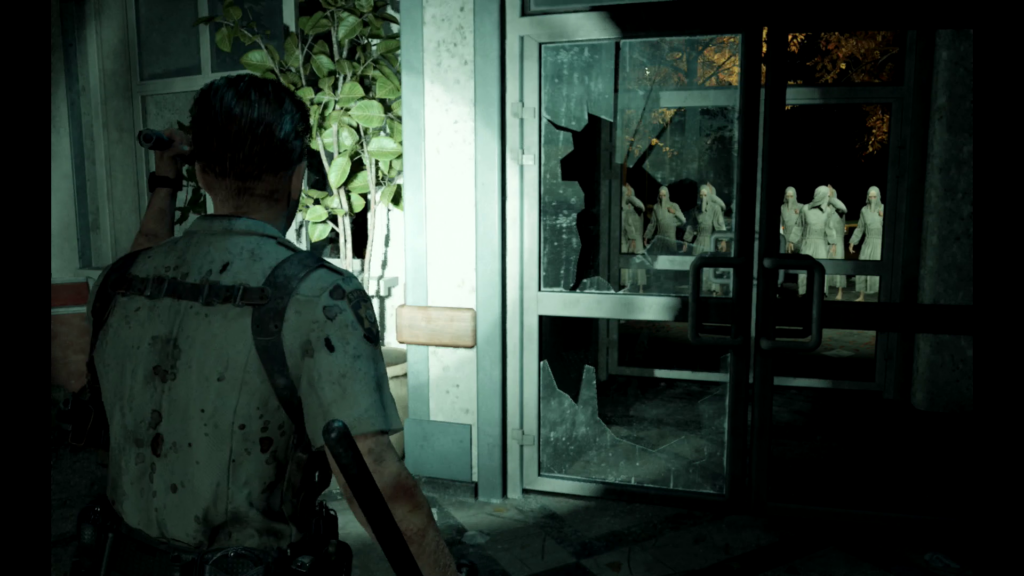
The UI is clean and readable, but controls need refinement. Weapon switching, especially under pressure, can feel clumsy. This is most noticeable when switching to melee weapons like batons in emergencies.
Microtransactions
None
Rating
After combing through many of the mechanics, the pacing and other factors of this game, I rated the gameplay and mechanics with an 7.0.
Graphics and art style
Quality of graphics and art direction
Visually, the game holds up well. Lighting and environmental design do most of the heavy lifting, creating a grim and oppressive atmosphere. Models and animations are serviceable, if not standout.
Technical performances
Performance is inconsistent at times. Occasional stutters, camera shake, and physics oddities appear, though patches are actively addressing these issues.
Environment and design uniqueness
The hospital setting is familiar but used effectively. Room layouts evolve in complexity, and repeated exploration reveals subtle design strengths.
Rating
It took me some time to give the graphics and art style an objective rating. There are many things to consider, but ultimately, I rated this section with a 6.5.
Sound and music
Music score and how it contributed to the game
Music is sparse and atmospheric, allowing silence to do much of the work. This restraint enhances tension rather than overwhelming the player.
Sound effects quality
Sound design is one of the game’s strengths. Enemy noises, footsteps, and environmental sounds provide crucial information and heighten anxiety.
Voice Acting
Voice acting exists but is not always synchronized with subtitles. While immersion-breaking at times, the developer has confirmed fixes are planned.
Rating
After a lot of consideration, I rated the sound and music section with a 6.5.
Replayability
Game Length and content volume
Length varies significantly depending on player skill and experimentation. Mastery of the loop can shorten completion time, while exploration and trial and error can extend it considerably.
Extra Content
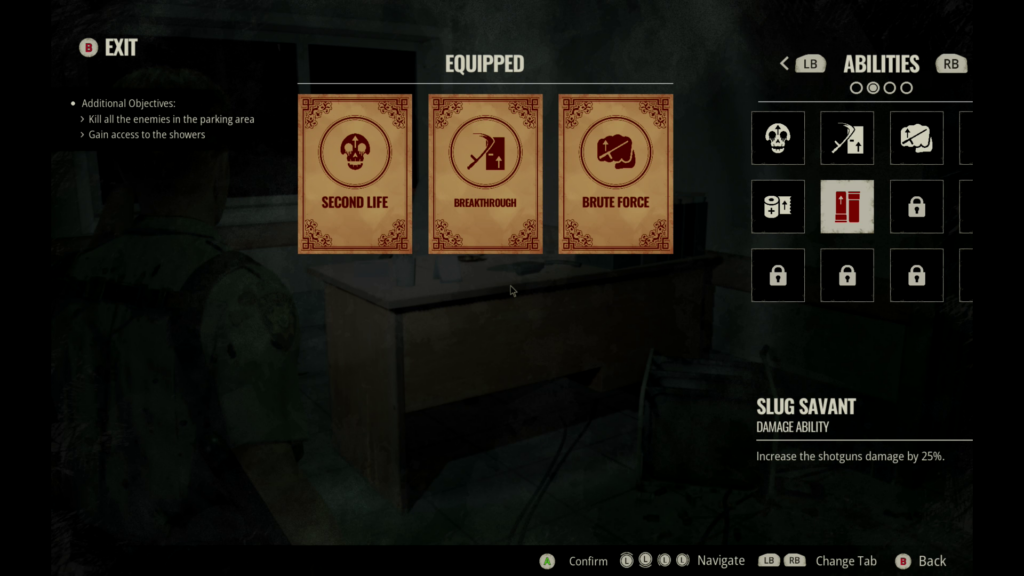
Additional modes are already present, with more planned. This suggests strong long term support.
Replay value
Replay value is solid, especially for players who enjoy refining strategies and optimizing routes across loops.
Rating
After thoughtful consideration, I decided to rate the replayability and game length with a 7.
Suggestions and comparisons
Suggestions and feedback
Further refine camera behavior.
Improve weapon switching fluidity.
Continue optimization passes
Consider accessibility options for movement.
Comparisons
Fans of classic Resident Evil will recognize the design philosophy immediately. The timeloop mechanic gives it a unique identity, setting it apart from more traditional survival horror games.
Personal experiences and anecdotes
One standout moment was watching my wife take down an extremely difficult boss. It took several loops to fully understand what was required, especially with limited mobility and no dodge option. Using batons to deal with zombie minions proved effective, but switching to them quickly was often stressful.
One of the most satisfying aspects was dying to a zombie in one loop, only to ambush that same enemy in the next with full knowledge of its behavior. That learning loop is where the game truly shines.
The final boss did have a few bugs, however, the developer swiftly fixed it. It is understandable with a small team and budget there is no room for a lot of playtesters, so not abandoning the game and listening is something rare to see these days.
Rating
Taking in all the personal experiences with Fear the Timeloop, I give it a personal rating of 7.5.
Last words
Pros
- Innovative timeloop concept
- Strong survival horror atmosphere
- Meaningful exploration
- Rewarding mastery curve
- Active developer support
- Classic Resident Evil inspired design
- Effective sound design
- Satisfying boss encounters
- Strong environmental storytelling
- Clear post launch improvement path
Cons
- Camera and turning jank
- Technical roughness
- Awkward weapon switching
- Audio sync issues
- Steep difficulty may deter newcomers
Fear the Timeloop is an ambitious indie horror game with a strong identity and a compelling core mechanic. While it is undeniably rough in places, its foundation is solid, its atmosphere effective, and its developer clearly committed to improvement. With continued polish, this game has the potential to stand out in the indie horror space. Despite the roughness, it is a very enjoyable game.
FINAL RATING

7.6
Please let me know what you think of Fear the Timeloop in the comments!
I hope you enjoyed reading this review. I hope to see you in the next review!
If you liked reading this review, maybe you would like to share this review with your friends.
First look of this game is “We have Resident Evil at home” feeling to it. Overall not a bad game.
Having a game like this at home is not a bad thing!
The time loop turning repeats into real terror seems like a real hook
You are hooked on fear!
Sounds like this is a good game to be the warm up before the next new Resident Evil game release
Boiled up perhaps?
Considering it’s indie, it seems like a really good game.
They did amazing for an indie team!
So basically, a great games, with some early ninja gaiden issues with the camera XD
I noticed already a few new updates to address these issues and even a first person mode added to the game!
The game looked descent when I checked gameplay during the screenshot quest. Unfortunately, not really my type of game…
Not everyone likes horror!
I love seeing indie studios creating games that are actually able to compete with bigger titles in terms of quality and visuals while trying new stuff. This ones not perfect but as long as there are active devs who communicate with their playerbase, there will always be an opportunity for improvement. Love it. (not gonna play though… simply bc horror… XD )
Having the dev be active is very important.
Seems decent enough for a small indie game, although definitely has room for improvement.
Luckily it has an active development team, which is better than most games, as a lot get dropped at release.
Looks like a neat title, and it’s always good to see developers being active in fixing bugs and adressing feedback!
Great review as always! 😀
I am glad you liked the review!
At first it looks like its not for me. At second look not too impressed still. Although when when thinking longer i liked some survival games very much, fps types, like Prey, Deathloop by Arkane, or other different atmospheric game The Solus Project, all of them finished to end. But i have doubts if I would like this one..
Maybe when it gets bundled, you could give it a try?
Looks like a good indie inspiration from Resident Evil
It is clear they took the inspiration from that.
The concept seems pretty good! Thank you.
I am glad you like the concept.
Seems like an interesting take. Do you have any boni or mali, exept from knowing stuff? Or is there some randomization of loot/enemies, or it it “just” the players knowledge you get?
I think mostly the player knowledge.
Very good to hear that the developer is listening to feedback and actively working to improve their game 🙂
When I get the time, I would love to do a run myself have a look at the improvements.
A very good game in the world of indie games.
Indies usually have more soul.
Looks like a pretty nice indie horror, the mechanic is unique and world-building seems interesting!
They really did their best, and all the stuff about demons is pretty freaky.
7.5 really good points. TPS games generally good.
Timeloop games?
It looks like a good survival horror game. Hopefully there won’t be too many camera issues.
Many of them have already been fixed.
I like this game. It’s fit for my genre with timeloop and other features from another games, which have similar mechanics.
Will you get the game on sale?
She’s not my priority at the moment.
Despite the audio sync issues, I’d still give it higher score in the audio section. They really nailed the anxiety part induced by the audio, which is the core part of the game play.
A surprising entry to the terror games. :3
Now that they have resolved some issues, would rate it higher as well.
This sounds like the worst kind of time loop. Nothing to have fun with … just endless fear and terror =(
Not a fun loop at all.