
Introduction
Basic information
Developer Name: Raptor Claw
Full Name: Fur Squadron Phoenix
Release Date: 2025
Released on: PC
Cross Play: No
Initial thoughts
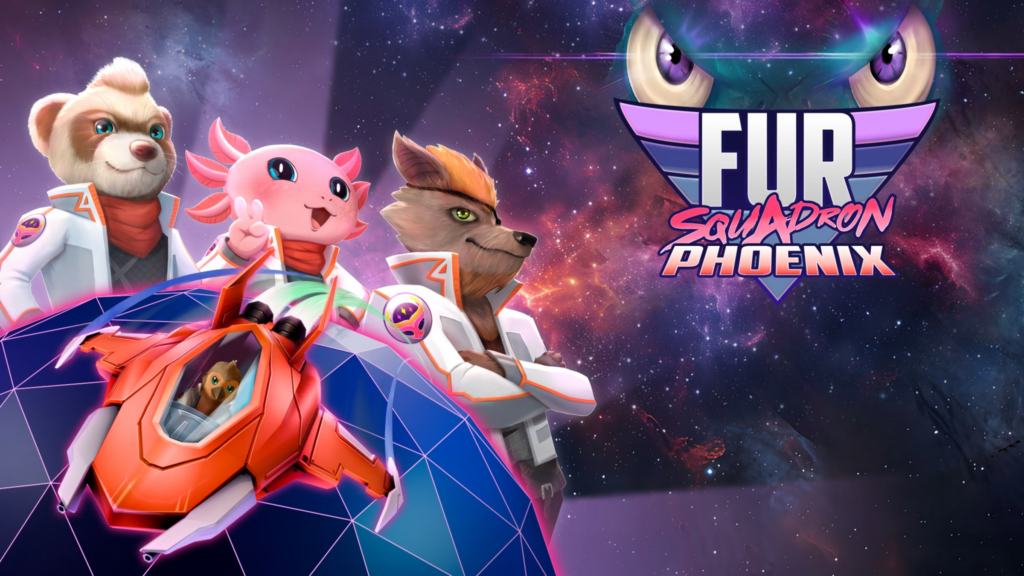
The very first thing that stood out to me about Fur Squadron Phoenix was how much it reminded me of Star Fox. That is not a bad comparison at all. In fact, for an indie game, that is one of the biggest compliments I can give it. The game clearly understands the appeal of arcade style on rails shooting, colorful space action, simple team dynamics, and that feeling of moving quickly through scripted enemy formations while trying to maintain control and style.
For a little while, it really felt like this could become something special. The presentation is confident, the concept is easy to understand, and the core idea absolutely has potential. There is enough polish in the basic gameplay loop to make you think the developers could genuinely compete in a niche that not enough modern games even try to fill anymore.
And then the biggest problem becomes impossible to ignore: the game is simply too short, too linear, and too incomplete, failing to carry the excitement it creates at the beginning. It is not that the game is bad at its core. It is that it introduces something promising, gives a small taste of it, and then seems to end right when it should truly begin.
Story and setting
Plot overview
The story is very straightforward and never really grows beyond that. A villain attacks, several good characters are killed, and one surviving member is pushed into a training or rising hero type role. That setup is serviceable, and in a game like this, it does not need to become some massive epic to work. The problem is not that the plot is simple. The problem is that it feels underdeveloped.
There are only a few actual story missions, which means the narrative barely has time to build momentum before it runs out of road. Just when it seems like the game is finally setting up its bigger conflict and asking the player to care more deeply about the world, it abruptly pushes toward the end and starts hinting at a second game. That creates the frustrating feeling that this release is more of a beginning than a complete adventure.
World building and immersion
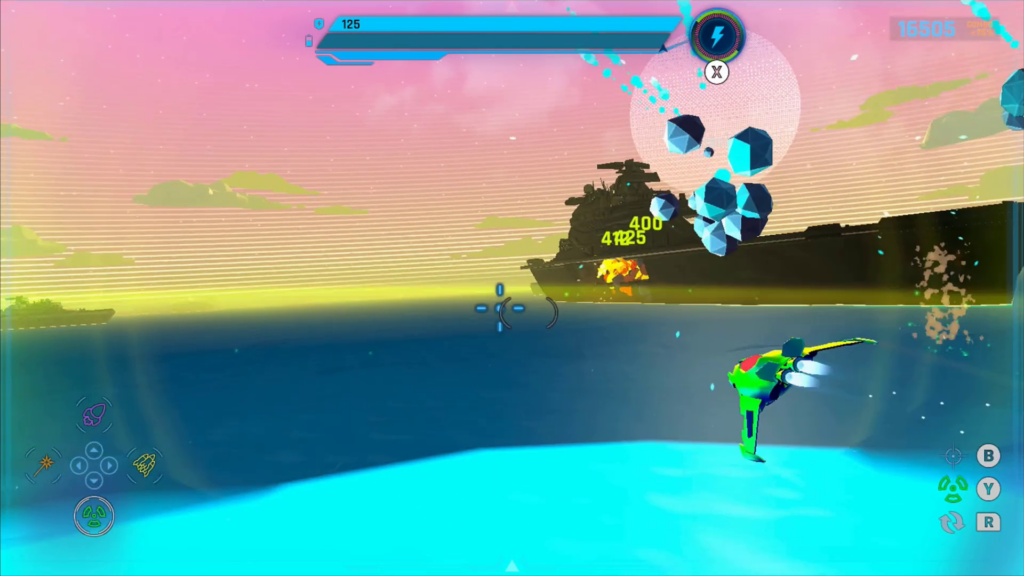
The game has a charming science fiction style, and the world itself is not without appeal. The characters, ships, and basic structure give it enough identity to stand out from being just a pure Star Fox imitation. There is clearly an effort to create a light universe with its own cast and tone.
At the same time, the game never gives that world enough space to breathe. The settings are attractive enough, but the overall structure is so narrow that immersion suffers. Because so much content is reused through side missions rather than expanded through new story driven locations, the game can start to feel small much faster than it should.
Character development
Character development is one of the clearest casualties of the game’s short length. The setup suggests that there could have been meaningful growth for the lead and perhaps some stronger relationship dynamics with the squad. Instead, what is there feels more like the outline of a character arc than a full one.
There is potential here, but the game stops too early for that potential to become satisfying.
Emotional impact
The emotional beats are there in theory. Loss, conflict, training, and rising against a threat are all present. But because the story moves so quickly and offers so little actual narrative development, those moments do not hit as hard as they could have. The game gestures toward bigger emotional weight without really earning it.
This is one of those cases where you can see what the developers wanted the player to feel, but the short runtime and limited story structure do not give those emotions enough room to properly land.
Rating for story and setting
I have visited multiple aspects of the story, and after some thought and objective thinking, I rated the story and setting with a 5.5
Gameplay and mechanics
Core gameplay mechanics
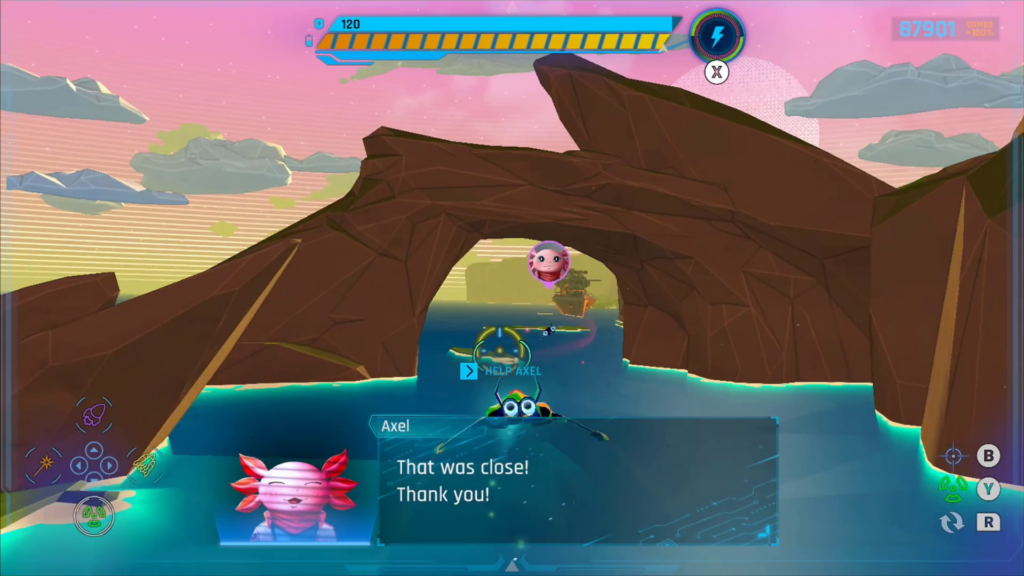
At its core, Fur Squadron Phoenix plays like you would expect from an arcade inspired on rails shooter. You move through linear paths, shoot waves of enemies, dodge incoming fire, and aim for clean runs and efficient destruction. In that sense, the fundamentals are solid enough. Flying feels responsive, combat is readable, and the structure is easy to jump into.
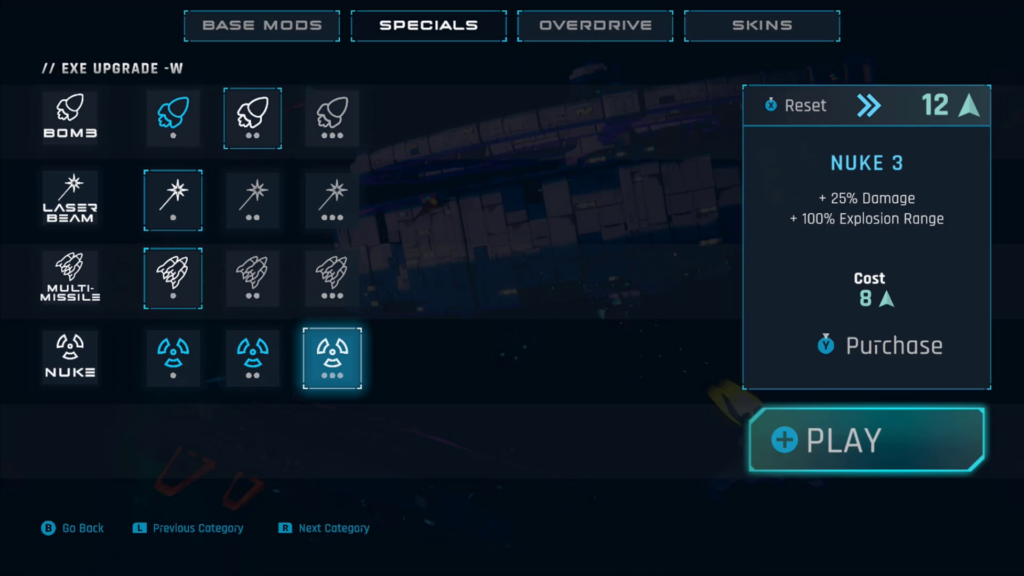
There is also a skill tree, which at first sounds like a good way to add depth. In practice, however, it is fairly basic. It exists, but it does not dramatically transform the experience. Instead of feeling like a system that meaningfully expands playstyles or adds strategic identity, it feels more like a light progression layer placed on top of a very straightforward action game.
The result is gameplay that is pleasant in short bursts but not deep enough to fully carry the whole package on its own. If there had been more story missions, more branching, or more variation in mission design, the simplicity might have worked better. As it stands, the mechanics are competent, but they need more context and more content around them.
Difficulty and balance
The difficulty feels generally fair, especially because the game is not trying to overwhelm the player with impossible systems. It is readable, approachable, and mostly well paced in terms of enemy pressure. That accessibility is good, but it also means the game rarely becomes especially thrilling from a challenge standpoint.
Because the campaign is so short, there is not much time for the difficulty to evolve into something truly memorable. You get a reasonable taste of the combat loop, but not enough escalation to make the later sections feel significantly more intense or rewarding than the early ones.
Pacing of the game
Pacing is one of the strangest parts of the whole experience. At first, the game feels like it is setting up a proper campaign with a meaningful sequence of missions. Seeing what looks like a larger list of stages gives the impression that there is a lot ahead. That illusion falls apart when it becomes clear that only three of those missions are actually story levels, while the others are basically side content.
That hurts the pacing badly. Instead of story missions being the spine of the game with side content as optional support, the game starts to feel like a thin main campaign padded around reused material. The structure would have worked better if the side missions were clearly separated from the main progression from the start.
Innovation and uniqueness
The strongest unique point here is simply that this kind of game barely exists anymore, especially from indie developers. A game that confidently aims for that arcade space shooter energy already has some novelty in the current market. The art style, the character focus, and the attempt at a squad based sci-fi identity also help.
But the game never pushes far enough beyond homage. It borrows the appeal well, yet it does not fully become its own larger thing. The foundation is there. The ambition feels partial.
Controls and user interface
Controls are generally solid. Flying and aiming work well enough to support the arcade structure, which is important in a game where mechanical feel matters a lot. The interface is also readable enough, and the game does not bury the player in unnecessary complexity.
That said, the overall presentation of progression and mission structure could have been clearer. Once you understand how little of the game is actually story content, some of the interface decisions start to feel more misleading than helpful.
Microtransactions
None, which is obviously a good thing. The issue here is not monetization. The issue is content volume and how the available content is framed.
Rating
After combing through many of the mechanics, the pacing, and other factors of this game, I rated the gameplay and mechanics with a 5.5.
Graphics and art style
Quality of graphics and art direction
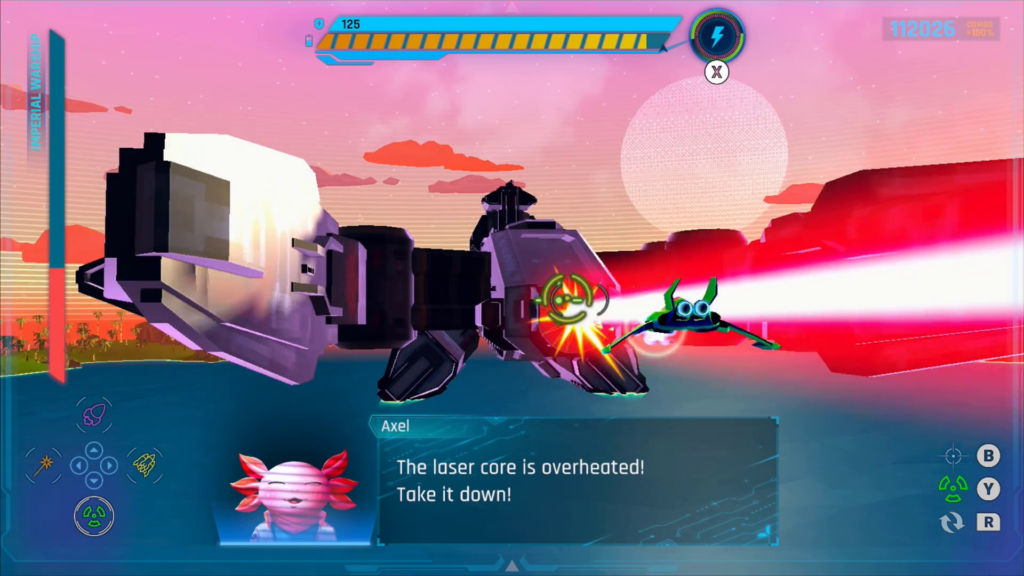
Visually, the game is actually pretty good. The ships, environments, and effects have a nice style to them, and the game does a decent job of capturing that bright, arcade space aesthetic that makes this sort of adventure immediately appealing. For an indie project, there is real effort visible in the presentation.
The problem is not visual incompetence. The issue is that the game feels incomplete. The art can look polished in a given moment, but once you start noticing how much content is being reused or recontextualized instead of truly expanded. That visual strength starts to feel like part of a package that needed more time or more scope.
Technical performances
Technically, the game seems functional enough for what it is trying to do. It is not overloaded with giant systems, and the straightforward structure helps it stay manageable. The game generally delivers its action cleanly enough, which matters a lot for a rail shooter.
Still, technical smoothness alone cannot hide that the whole project feels more like a first slice of a bigger idea than a complete release.
Environment and design uniqueness
This is where the incompleteness becomes especially noticeable. Most of the side content reuses earlier levels with adjustments such as nighttime variants or other minor modifications. That is not automatically bad in an arcade style game, but when the actual story content is so limited, the reuse becomes much more visible and much more disappointing.
If the campaign had been fuller, reused side missions would have felt like a bonus. As it is, they often feel like a substitute for content that should have been there in the first place.
Rating
It took me some time to give the graphics and art style an objective rating. There are many things to consider, but ultimately, I rated this section with a 5.5.
Sound and music
Music score and how it contributed to the game
The soundtrack is enjoyable enough and suits the style of the game. It has that light arcade sci fi energy you would want from this kind of experience, and it helps keep the action moving. It is not one of those soundtracks that carries the entire game on its back, but it does support the mood competently.
At the same time, it also feels like another area where the game is decent rather than exceptional. It helps, but it does not leave a huge lasting impression.
Sound effects quality
Sound effects do their job well enough during combat. Weapons, impacts, and general action feedback are all present and clear enough to support the arcade rhythm. The game never feels silent or flat in motion, which is important for a shooter like this.
The sound design supports the action, but much like the rest of the game, it feels like it is serving a promising structure that simply ends too soon.
Voice Acting
The voice presentation is one of the more awkward aspects of the package. The talking sounds are strange and can feel a bit off-putting, especially early on. They do not completely ruin the experience, but they do make the game’s attempts at character and story feel rougher than they should.
Because the narrative itself is already thin, the oddness of the voice presentation stands out more. If the characters had more time to grow and the story had more room, it might have been easier to accept. In a short game, little things like this become more noticeable.
Rating
After a lot of consideration, I rated the sound and music section with a 5.
Replayability
Game Length and content volume
This is the central issue with the whole game. It really does feel more like a demo, preview, or early chapter than a complete release. The moment I realized that only missions 1, 5, and 8 were actual story missions was the moment the game’s entire structure became much less exciting.
A game can be short and still feel complete. This one does not. It feels interrupted. It introduces the world, gets the player ready for a bigger journey, and then points toward a second game instead of properly delivering one here. That is the kind of thing that leaves a bad aftertaste even if the moment to moment gameplay is decent.
Extra Content
The side content exists, but it does not solve the core problem. If anything, it highlights it. Night variations and altered repeats of earlier levels are not enough to create the feeling of a rich package when the main story is so thin.
The game would have benefited a lot from separating story missions and side missions more clearly, because right now the structure risks making the player think there is more narrative substance than there actually is.
Replay value
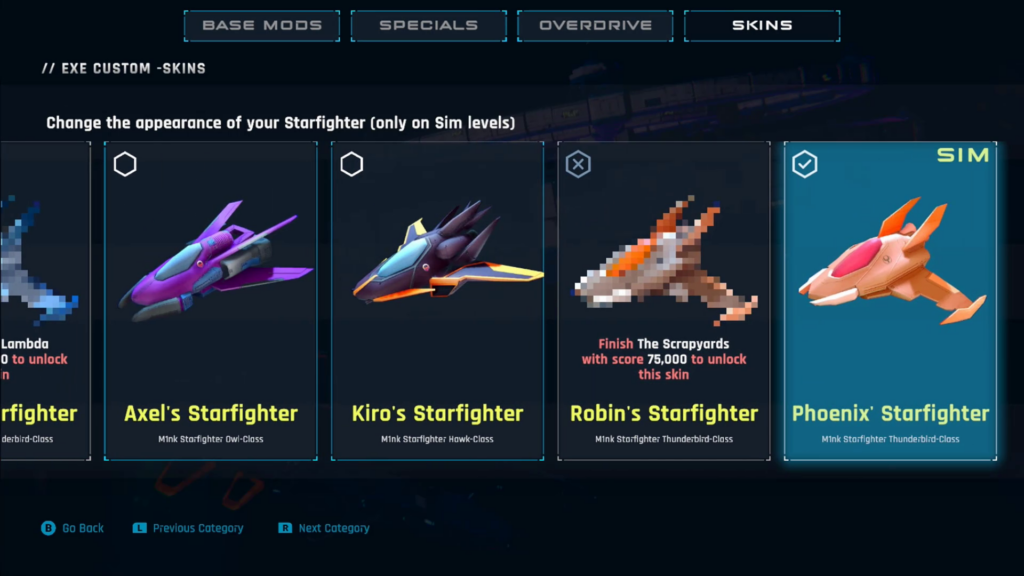
Replayability is not especially strong. Yes, there are high scores to chase, and yes, there are unlockable skins. For a certain kind of arcade minded player, that will be enough reason to keep going back and trying to refine runs. But for many players, especially those hoping for a full campaign experience, that kind of replay value will feel limited.
The biggest problem is that the game does not offer enough meaningful variety to make repeated playthroughs feel substantially different. Cosmetic unlocks are fine, but they are not a replacement for stronger mission diversity or mechanical variety.
There is some replay value for players who care about score chasing and unlocks, but not enough for players who were hoping for a short but satisfying arcade campaign with meaningful progression. The game can be revisited, but it does not feel rewarding enough in its current form to strongly demand that revisit.
Rating
After thoughtful consideration, I decided to rate the replayability and game length with a 5.
Suggestions and comparisons
Suggestions and feedback
The biggest and most obvious suggestion is simple: make a fuller game. The foundation here is good enough to deserve it. More story missions are absolutely needed, and they should be clearly separated from side content instead of being mixed together in a way that creates false expectations.
A more developed skill tree would also help a lot. Right now it feels too basic to add much real depth. The game could also benefit from more branching, more route variety, more mission consequences, and ideally a stronger sense that your actions are carrying you through a larger space conflict rather than a very narrow scripted path.
If a second game is already being teased, then hopefully it learns from this one and delivers the scale and completeness that this first entry only hints at.
Comparisons
The obvious comparison is Star Fox, and the game invites that comparison from the start. In terms of spirit and genre, it absolutely belongs in that conversation. The issue is that it captures the style more than it captures the fullness of a memorable campaign.
As an indie title, it deserves credit for even trying this at all, because not enough developers tackle this kind of arcade rail shooter anymore. But when compared to the classics it evokes, it feels more like a proof of concept than a true challenger.
Personal experiences and anecdotes
It started very strong for me. Seeing eight levels gave me immediate hope that there was a full little campaign here, something compact but satisfying. That excitement slowly turned into disappointment when I realized that only 1, 5, and 8 were actual story levels, while the rest were side missions or variations.
That realization changed the whole experience. Suddenly, what had seemed like a proper game structure started to feel thin. And then, right when the story feels like it is finally about to properly begin, the game ends and starts hinting at a second entry. That was a real letdown.
The frustrating part is that I do not dislike what is here. There is enough quality in the core gameplay to make me wish the developers had either made a longer, more complete first game or released this more honestly as an early chapter or pilot. As it stands, it builds excitement and then cashes out far too early.
Rating
Taking in all the personal experiences with Fur Squadron Phoenix, I give it a personal rating of 6.
Last words
Pros
- Strong Star Fox style inspiration
- Solid core rail shooter gameplay
- Good looking visuals for an indie game
- Clear arcade appeal
- Decent soundtrack
- The foundation has real potential
- Easy to jump into moment to moment
Cons
- Only three actual story missions
- Feels more like a demo than a full game
- Side missions should have been clearly separated
- Skill tree is too basic
- Too linear overall
- Reused side content becomes obvious too quickly
- Voice presentation is odd
- The game ends right when it should really begin
Fur Squadron Phoenix is not without charm. It has a good core, a genre identity that is easy to appreciate, and enough polish to show that the developers do understand what makes an arcade rail shooter fun. But the game also feels incomplete in a way that is difficult to ignore.
That is why this ends up as a somewhat positive but still disappointed review. There is promise here, and some of that promise is genuinely exciting. But right now, it feels like the shell of a better, fuller game that has not arrived yet.
FINAL RATING

5.3
Please let me know what you think of Fur Squadron Phoenix in the comments!
I hope you enjoyed reading this review. I hope to see you in the next review!
If you liked reading this review, maybe you would like to share this review with your friends.