
Introduction
Basic information
Developer Name: Retro Studios / Nintendo
Full Name: Metroid Prime
Release Date: 2002
Released on: Nintendo GameCube
Cross Play: No
Initial thoughts
Going back to Metroid Prime is always special for me. I have played this game countless times, explored every corner of Tallon IV, and completed multiple 100% runs over the years. At this point, the map layout lives in my brain permanently. I know where upgrades are, where enemies spawn, and how the game normally unfolds. But this playthrough was different.
Instead of a clean run or a simple nostalgia revisit, I decided to break the game completely apart. I played the very first release version, the one famous for allowing some of the wildest sequence breaks in the series. And rather than casually experimenting, I recorded everything and pushed the game as far out of order as possible.
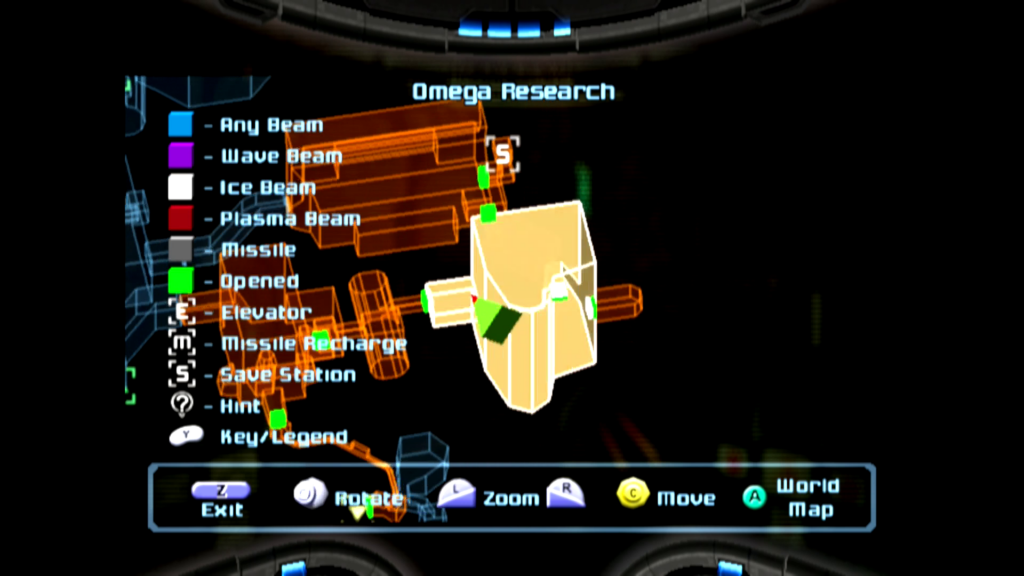
What followed was chaotic, hilarious, and incredibly satisfying. Killing the first boss with the Phazon Suit, obtaining Space Boots as the first upgrade, grabbing Plasma Beam absurdly early, and even defeating the Omega Pirate without the Grapple Beam turned the game into a playground of possibilities.
Story and setting
Plot overview
The narrative structure of Metroid Prime remains elegantly simple. Samus Aran arrives on Tallon IV following a distress signal from the Space Pirates. What she discovers is a planet corrupted by a mysterious substance known as Phazon, which has twisted both the environment and the creatures inhabiting it.
The story unfolds mostly through scanning logs and environmental clues rather than heavy exposition. Pirate research logs, Chozo ruins, and biological scans slowly reveal the scale of the disaster and the desperate experiments taking place behind the scenes.
World building and immersion
Tallon IV remains one of the most believable game worlds ever created. Each region feels distinct yet interconnected: the ancient ruins of the Chozo, the frozen caverns of Phendrana Drifts, the industrial nightmare of Phazon Mines. Even after years of familiarity, the world still manages to feel alive.
Sequence breaking adds a strange new dimension to the immersion. By visiting areas in completely unintended order, the world starts to feel less like a scripted adventure and more like a real place you are exploring on your own terms.
Character development
Samus herself remains largely silent, but her identity is communicated through action and competence. The game’s design reinforces her role as a lone hunter navigating a dangerous environment.
Emotional impact
While the game is not emotionally driven in a traditional sense, there is a strong sense of isolation and quiet determination throughout the journey. Samus rarely speaks, and yet the player constantly feels the weight of the mission through environmental storytelling.
Breaking the intended progression actually enhances that feeling. You begin to feel like a rogue explorer carving your own path through a hostile alien world.
Rating for story and setting
I have visited multiple aspects of the story, and after some thought and objective thinking, I rated the story and setting with a 9.
Gameplay and mechanics
Core gameplay mechanics
The gameplay of Metroid Prime remains exceptional. Exploration, scanning, combat, and puzzle solving blend into a seamless experience. Every upgrade expands movement possibilities, opening new routes and revisiting older areas with new tools.
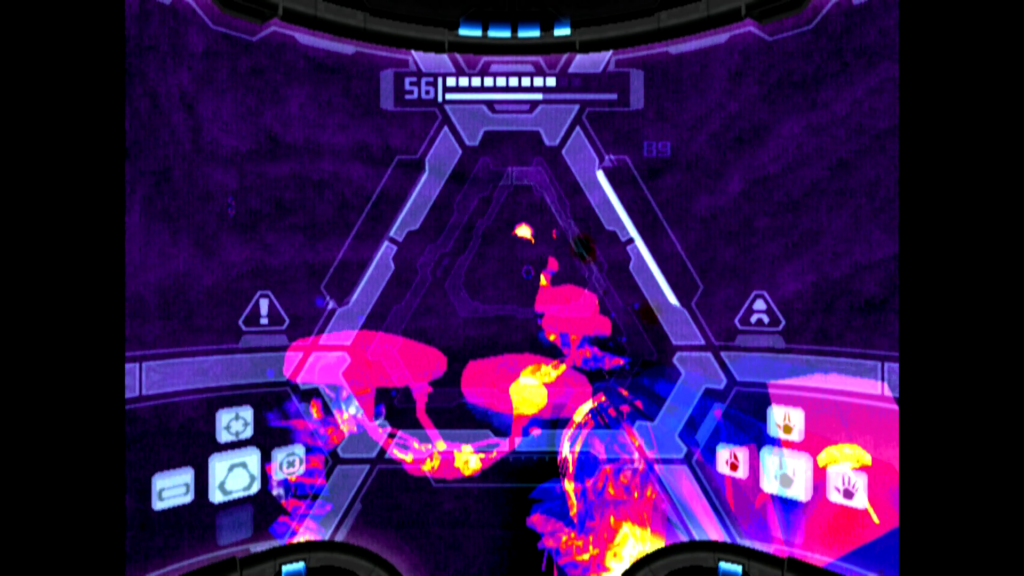
Sequence breaking pushes these mechanics to their absolute limit. Acquiring upgrades out of order changes how puzzles and combat encounters play out. Suddenly, areas that were once late-game become early-game playgrounds.
Difficulty and balance
Normally, the game is carefully balanced around upgrade progression. Sequence breaking throws that balance into chaos, in the best way possible. Fighting bosses with equipment the developers never expected creates unpredictable but thrilling encounters.
For example:
First boss defeated with Phazon Suit
Omega Pirate killed without Grapple Beam
Plasma Beam obtained ridiculously early
The game survives these disruptions surprisingly well.
Pacing of the game
The pacing of a normal run is methodical and exploratory. A sequence break run, however, becomes a puzzle-solving marathon. Some jumps required over an hour of attempts, especially those involving extremely precise platforming exploits.
Innovation and uniqueness
Even today, Metroid Prime stands as one of the most successful transitions from 2D to 3D design in gaming history. The first-person perspective, scanning system, and environmental storytelling remain influential.
Controls and user interface
Controls hold up well considering the era. Lock-on targeting still works beautifully, and the visor system remains intuitive.

Microtransactions
None.
Rating
After combing through many of the mechanics, the pacing, and other factors of this game, I rated the gameplay and mechanics with a 9.5.
Graphics and art style
Quality of graphics and art direction
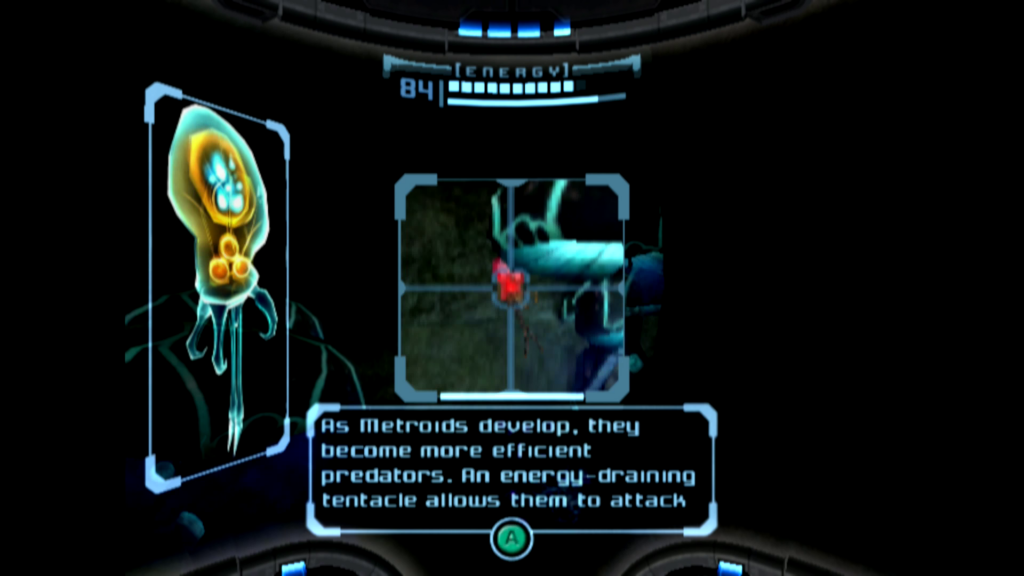
The first version of the GameCube release is undeniably dated visually. Textures are rough, lighting is limited, and models show their age. However, there is still a charm to the raw early 2000s graphics.
Technical performances
Performance is stable overall, but the early version contains more glitches and oddities than later revisions, which ironically makes it the perfect playground for sequence breaking.
Environment and design uniqueness
Despite the dated graphics, the environmental design is still fantastic. Each area has a clear identity and memorable layout.
Rating
It took me some time to give the graphics and art style an objective rating. There are many things to consider, but ultimately, I rated this section with an 8.0.
Sound and music
Music score and how it contributed to the game
The soundtrack is legendary. Tracks like Phendrana Drifts, Chozo Ruins, and Phazon Mines remain some of the most atmospheric compositions in gaming.
Sound effects quality
Weapons, enemy sounds, and environmental audio all contribute to the sense of immersion.
Voice Acting
There is no traditional voice acting, but the text logs and scanning system provide plenty of narrative context.
Rating
After a lot of consideration, I rated the sound and music section with a 9.5.
Replayability
Game Length and content volume
A standard playthrough takes around 12–15 hours, but mastery runs, speedruns, and sequence-breaking attempts can extend that dramatically.
Extra Content
The scanning system encourages thorough exploration, while the 100% completion challenge rewards careful attention to detail.
Replay value
Replayability is extremely high. Few games reward experimentation with mechanics as much as Metroid Prime.
Rating
After thoughtful consideration, I decided to rate the replayability of this game with a 9.5.
Suggestions and comparisons
Suggestions and feedback
If anything, this playthrough reinforced how incredible it would be to see the original version preserved officially with its sequence breaking potential intact.
Comparisons
Compared to later Metroid Prime titles, the original still feels the most focused and cohesive.
Personal experiences and anecdotes
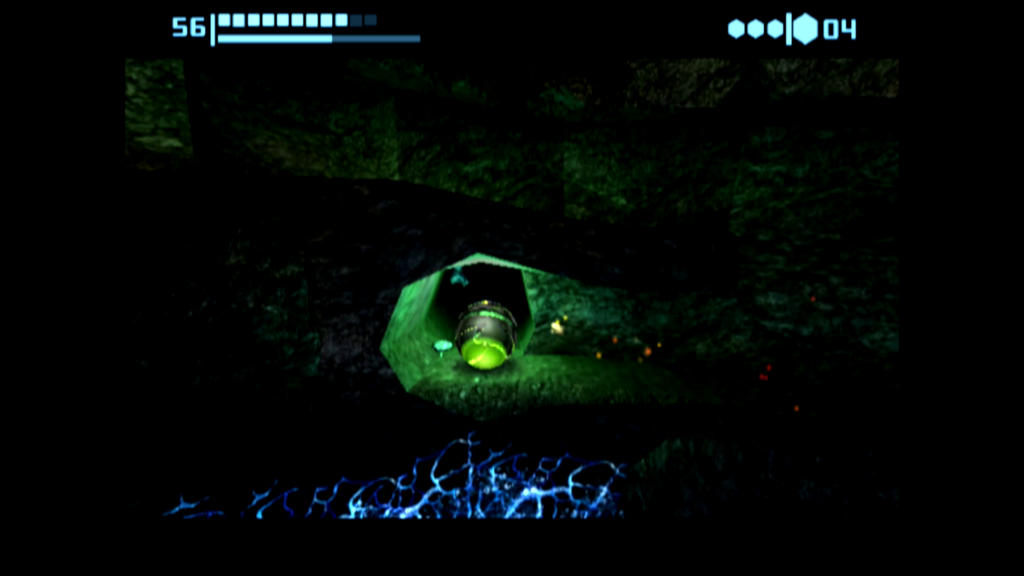
The most satisfying moments came from finally pulling off extremely difficult sequence breaks. Some jumps required twenty minutes of precise attempts, bouncing on a mushroom repeatedly until the angle was perfect.
Finally landing the jump, realizing the break worked, and pushing the run even further out of order was immensely rewarding. Moments like reaching the Omega Pirate without the Grapple Beam or grabbing upgrades absurdly early felt like conquering the game’s design itself.
Rating
Taking in all the personal experiences with Metroid Prime, I give it a personal rating of 10.
Last words
Pros
- Incredible world design
- Legendary soundtrack
- Deep exploration mechanics
- High replayability
- Iconic atmosphere
- Strong environmental storytelling
- Innovative scanning system
- Rewarding sequence breaking
- Excellent pacing
- Memorable environments
- Classic GameCube charm
- Timeless design philosophy
Cons
- Very dated visuals in the original version
- Early release glitches can break immersion
Metroid Prime remains one of the greatest games ever made. Even decades later, it still supports experimentation, exploration, and creativity in ways few games do. Playing the original version and pushing it to its limits through sequence breaking was both challenging and incredibly fun.
FINAL RATING

9.4
Please let me know what you think of Metroid Prime in the comments!
I hope you enjoyed reading this review. I hope to see you in the next review!
If you liked reading this review, maybe you would like to share this review with your friends.