
Introduction
Basic information
Developer Name: Niantic
Full Name: Pokémon GO
Release Date: July 6, 2016
Released on: iOS, Android
Cross Play: Yes, through the shared mobile game ecosystem
Initial thoughts
We wanted something fun to play while walking, and on that front, Pokémon GO immediately made sense. The basic fantasy is brilliant: you go outside, walk around, catch Pokémon, spin stops, join raids, hatch eggs, and slowly build a collection tied to your real world movement. When it works, it genuinely feels magical. It turns an ordinary walk into a tiny adventure, and that is still one of the strongest ideas any mobile game has ever had.
But almost immediately, the problems started becoming obvious. My wife is in a wheelchair, and the game does not have real accessibility support built around that kind of play. The idea of walking, route following, and location based activity sounds simple until physical accessibility becomes part of the equation. Then the whole design suddenly feels much less inclusive. There was a watch option for her, but it did not work well enough to solve the problem.
Then there are the PokéStops and Gyms. If you live in a good area, the game showers you with activity. If you live somewhere abandoned or poorly supported, tough luck. Want a new PokéStop? Good luck getting it approved. The real world map is both the game’s best feature and one of its biggest failures, because where you live massively determines how good the game feels.
Story and setting
Plot overview
The story is basically: bad guys catch evil Pokémon, bad things happen, and then you battle or catch your way through it. Team GO Rocket gives the game a loose villain structure, Shadow Pokémon add some extra flavor, and events occasionally provide limited time story beats. But this is not a story driven Pokémon game in the traditional sense.
That is not automatically a problem. Pokémon GO is built around walking, collecting, raiding, and community events rather than a grand RPG campaign. Still, the narrative framework is thin. It exists mostly to justify activities, not to create emotional investment. If you come in expecting the charm of a mainline Pokémon adventure, this will feel hollow.
World building and immersion
The world building is strange because the game overlays Pokémon onto the real world rather than building a fictional one. When that works, it is fantastic. Catching Pokémon near parks, water, cities, or during real world events gives the game a sense of presence that no normal Pokémon game can copy. It makes the Pokémon world feel like it is leaking into your own.
But the illusion breaks constantly. Bad PokéStop distribution, awkward spawn logic, accessibility issues, and event restrictions all remind you that this is not really a living Pokémon world. It is a monetized mobile map with Pokémon layered on top. That sounds harsh, but after enough time, the cracks become impossible to ignore.
Character development
There is barely any character development. Professor Willow, team leaders, and Rocket characters exist, but they do not grow in a meaningful RPG sense. The real character progression is your account: your Pokémon storage, shiny collection, best buddies, medals, raid roster, and PvP teams.
That account progression can feel addictive, but it is also exactly where the monetization digs its claws in.
Emotional impact
The emotional highs can be surprisingly strong. Catching a rare shiny, finally beating a raid, going to a real world event, or walking through Amsterdam during a big Safari style event can feel genuinely special. Those memories are real, and they are part of why the game became so huge.
The problem is that the emotional lows are tied directly to cost and exclusion. Missing events because they are paid. Losing raid chances because passes are expensive. Being unable to meaningfully participate because the area around you is bad. Those moments turn excitement into resentment very quickly.
Rating for story and setting
I have visited multiple aspects of the story, and after some thought and objective thinking, I rated the story and setting with a 5.
Gameplay and mechanics
Core gameplay mechanics
At its best, Pokémon GO is simple, clever, and highly addictive. You walk, find Pokémon, throw balls, collect candy, upgrade your team, spin PokéStops, battle Gyms, join raids, trade with friends, and slowly build a collection. The core loop is easy to understand and still satisfying years later. Catching Pokémon with curved throws is genuinely fun once you get the rhythm down.
But the deeper you go, the more expensive and restrictive the game becomes. Trading sounds wonderful until you realize special trades are heavily limited, friendship levels matter enormously, distance restrictions are strict, and Stardust costs can become absurd. Raids sound exciting until you realize that doing them seriously requires raid passes, coordination, and often a third party app or community tool just to find enough people.
And then there is PvP. You can spend time building teams but then get crushed by someone who has done hundreds of raids, has perfect IV Pokémon, legacy moves, and resources you simply do not have unless you played constantly or paid heavily. The game constantly dangles fun systems, then puts time, money, location, or social barriers in front of them.
Difficulty and balance
Balance depends heavily on where you live, how much you spend, and how connected you are to active communities. That is not great design. A rural player and a city player are not playing the same game. A free player and a heavy spender are not playing the same game. A player with access to big raid groups and third party coordination is not playing the same game as someone trying to casually join in alone.
The raid economy is especially brutal. Official shop listings currently show real-money bundles for Remote Raid Passes and Premium Battle Passes, with the web store offering paid bundles such as two Remote Raid Passes for around 2.99 and Premium Battle Pass packs among its listed items. That might sound small once, but it adds up horribly when events push repeated raiding.
Pacing of the game
The pacing is brilliant at the beginning and awful once you care too much. Early on, everything is exciting. Every new Pokémon matters. Every walk feels useful. Every evolution feels like progress. Then the game slowly shifts from going outside and catching Pokémon into managing storage, buying passes, following event timers, raiding efficiently, checking IVs, grinding candy, preserving resources, and avoiding missing limited content.
That transition is where the game becomes exhausting. The casual walking game is wonderful. The live service grind machine underneath it is much uglier.
Innovation and uniqueness
The core concept remains brilliant. There is a reason Pokémon GO exploded in 2016 and still exists today. Very few games have ever merged real world movement, collection, social play, and a famous franchise this successfully. It is genuinely innovative.
But innovation does not excuse exploitation. The game’s best idea is still world class. Its monetization is not.
Controls and user interface
The catching interface is good. Throwing balls, using berries, spinning stops, and navigating the map are mostly straightforward. However, the game gets clumsy once you interact with deeper systems. Inventory management, Pokémon storage, raid coordination, PvP preparation, and event menus can all become messy.
The game also does not do enough for accessibility. For a game built around movement, distance, and real world navigation, that is a serious problem. Players with mobility challenges need better options than awkward workarounds.
Macrotransactions
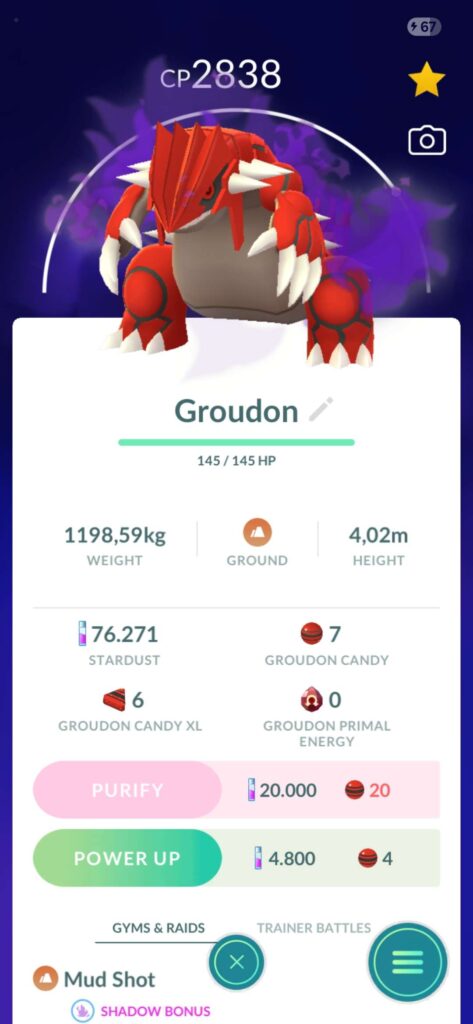
This is the big one. The monetization is extremely aggressive if you want to keep up with everything. You can technically play for free, but the game constantly pressures spending through raid passes, remote passes, storage upgrades, item bag upgrades, incubators, premium event tickets, and paid passes.
Official help pages confirm that free PokéCoin earning through Gym defense is capped at 50 PokéCoins per day, and that is still the case. That means if you want storage upgrades, raid passes, or event related items without paying, progress is painfully slow. When a single important item or activity can eat multiple days of free coin earnings, that is if you even can claim those coins every day, since in rural areas, there are barely any gyms. Or when you live in the big city, heavy spenders haunt the gyms. This means that free to play label starts feeling very thin.
Rating
After combing through many of the mechanics, the pacing, and other factors of this game, I rated the gameplay and mechanics with a 5.
Graphics and art style
Quality of graphics and art direction
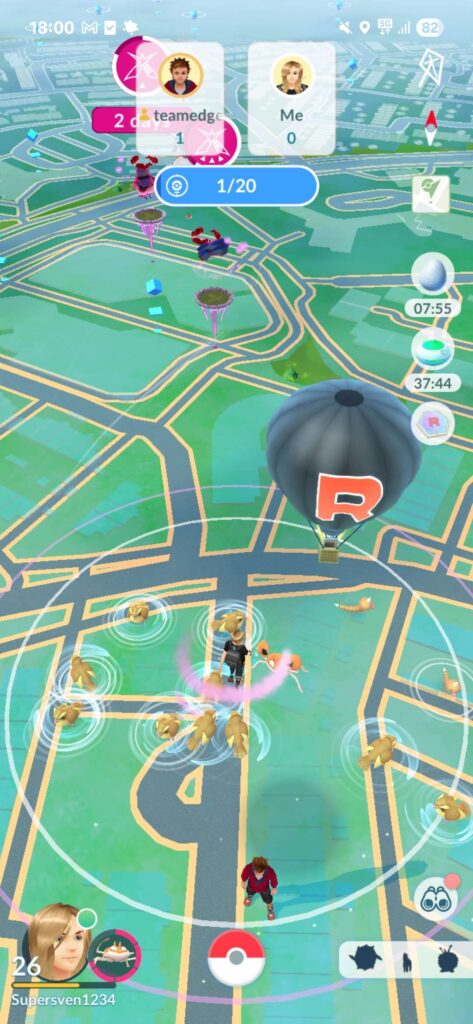
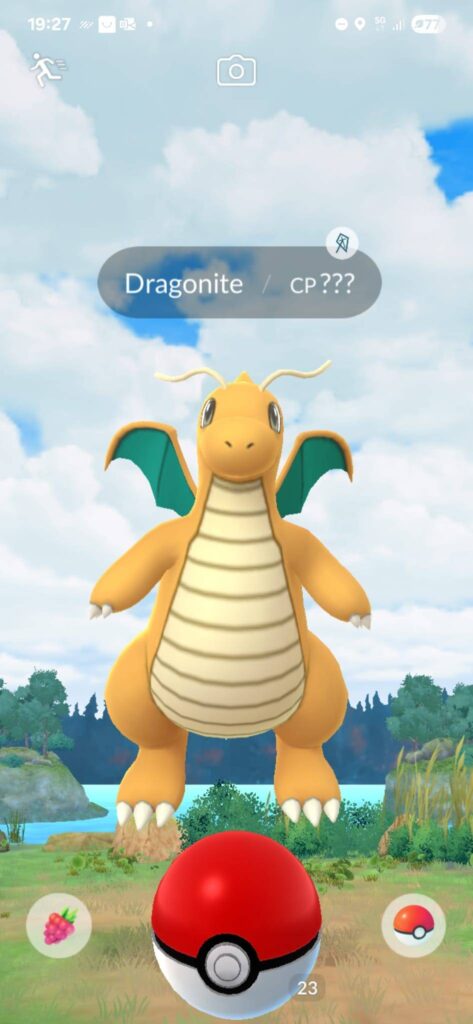
The Pokémon themselves still look great. That is one of the game’s biggest strengths. Seeing familiar Pokémon in the real world, on the map, or during encounters still has charm. The art direction is clean, friendly, and readable, and it does a good job making Pokémon recognizable on a mobile screen.
The problem is that everything around the Pokémon is much more functional than beautiful. The map does the job, but it is not visually rich. The world is represented through simplified roads, fields, stops, and gyms. It works, but it rarely amazes.
Technical performances
Performance has improved a lot since launch, but the game can still be inconsistent. GPS drift, loading delays, failed raid joins, event lag, and connection problems can all ruin moments that should be exciting. When money is involved, these technical frustrations feel worse. Losing time or items because the game misbehaves is infuriating.
Environment and design uniqueness
The real world integration is still unique. Your local parks, cities, monuments, and streets become part of the game. That is powerful. But the quality of the experience depends far too much on local density. A great city can feel like a Pokémon paradise. A dead zone can feel like punishment for living in the wrong place.
Rating
It took me some time to give the graphics and art style an objective rating. There are many things to consider, but ultimately, I rated this section with a 7.0.
Sound and music
Music score and how it contributed to the game
For a mobile game, the music is pretty good. It has enough Pokémon identity to feel familiar, and certain event or battle themes can still bring energy to the experience. However, like many mobile games, plenty of players will eventually lower or mute the music during long sessions because walking, raiding, and grinding often happen alongside real world noise.
Sound effects quality
Sound effects are effective and recognizable. Catch sounds, raid effects, PokéStop spins, Pokémon cries, and battle noises all support the gameplay well enough. They are not groundbreaking, but they are functional and charming.
Voice Acting
There is no real voice acting, and that is fine. The game does not need it. Still, the lack of stronger presentation does contribute to the feeling that the story side of the game is mostly decorative.
Rating
After a lot of consideration, I rated the sound and music section with a 6.5
Replayability
Game Length and content volume
The content volume is massive. This game has years of added Pokémon, events, features, raids, and systems layered on top of each other. It is not lacking content. The problem is that so much of the best content is time limited, location dependent, or monetized.
That creates a nasty feeling: the game is huge, but access to the fun parts often feels conditional.
Extra Content
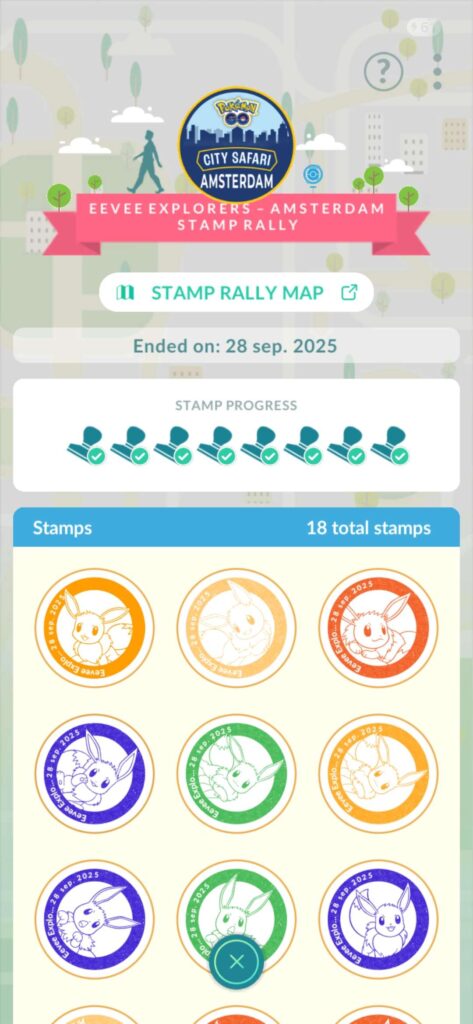
There are constant events, and many of them can be fun. The Amsterdam Safari style event we joined was genuinely great. Walking around Amsterdam, catching Pokémon, and participating in a real world event gave the game exactly the magic it promises.
But events are also where the spending pressure becomes ridiculous. Paid tickets, raid passes, incubators, storage needs, remote raiding, and limited time bonuses pile up fast. You can easily start thinking in terms of hundreds of euros per month if you would like to join everything seriously.
Replay value
Replayability is enormous in theory. The game is basically endless. New Pokémon, Community Days, raids, seasonal events, research tasks, shiny hunts, routes, PvP seasons, paid events, and rotating rewards mean there is always something to do.
But that replayability depends heavily on how much you are willing to spend and how much you are willing to structure your life around the game. The more you care, the more the game asks from you. That can turn replayability into obligation.
The replay value is high if you can resist spending or if you live in a perfect area. It is much lower if you are trying to keep up competitively, complete collections, raid seriously, or play events fully without burning money.
Rating
After thoughtful consideration, I decided to rate the replayability and game length with a 6.
Suggestions and comparisons
Suggestions and feedback
The game needs to become much more accessible, both financially and physically. Free players need a better path to meaningful participation. The 50 coin daily limit is too restrictive compared to the cost of important items. Players with mobility challenges need better tools that do not depend on unreliable accessories or awkward workarounds.
PokéStop approval also needs to become less painful for underserved areas. The game should not punish players for living somewhere with fewer landmarks. If the entire concept is built on real world location, then the realworld inequality in access needs much better handling.
Comparisons
Compared to mainline Pokémon games, Pokémon GO has a completely different strength. It makes Pokémon social and physical. Compared to other mobile games, it is more innovative and more memorable than most.
But compared to a normal paid game, the value proposition is awful once you start spending. A full console Pokémon game may cost money up front, but it does not keep asking for raid passes, storage, event tickets, incubators, and premium items every week.
Personal experiences and anecdotes
We were genuinely enjoying this game. That is what makes the review frustrating. It was fun to walk, catch, raid, and build a collection together. The Amsterdam event was a highlight, and buying raid passes at first felt like part of the excitement.
But then the costs kept piling up. Backpack slots. Pokémon storage. Raid passes. Event tickets. Extra items. More raid passes. The free coin system technically exists, but earning only 50 coins per day through gyms is not enough when important items cost far more than that. Official help pages confirm the daily Defender bonus limit is 50 PokéCoins, even if multiple Pokémon return from Gyms in the same day.
And trying to play on a train? Nearly impossible. Trying to work around wheelchair accessibility? Frustrating. Trying to keep up without spending? Exhausting. Eventually, we had to quit to save our money. That is a terrible thing to say about a game we were actually enjoying, but it is the truth.
We never joined every event or spent hundreds of euros on this game per month, but we did buy some raid passes, some storage items, and a few other items, along with the expensive Safari event. It was already expensive, and as we got further into the game, we had to spend to progress even a little. Want to join an event? Spend money, want the good battle pass reward? Spend money. I did not make a video, since I would rather not get pulled back into this game.
Rating
Taking in all the personal experiences with, I give it a personal rating of 6.
Last words
Pros
- Brilliant core concept
- Makes walking more fun
- Catching Pokémon is still satisfying
- Real world events can be genuinely awesome
- Pokémon models look great
- Strong social potential
- Huge amount of content
Cons
- Extremely expensive if you want to participate fully
- Raid passes add up horribly fast
- Free PokéCoin earnings are too limited
- Poor accessibility for wheelchair users
- Bad areas get punished by poor PokéStop/Gym density
- PokéStop approval can be frustrating
- Events often feel pay to win or pay to participate
- PvP heavily favors extreme grinders and spenders
- Trading restrictions are annoying
- Third party tools are often needed for decent raids
- Storage upgrades feel almost mandatory
- Technical issues hurt more when paid items are involved
- Playing while traveling can be unreliable
- The game turns fun into financial pressure too easily
Pokémon GO is both awesome and super ultra sucky. That is the most honest summary I can give. The idea is brilliant, the catching is fun, events can be memorable, and walking around with Pokémon in the real world still has magic.
But the monetization is brutal. The accessibility problems are real. The location inequality is real. And if you care too much, the game starts reaching into your wallet constantly. We did not quit because the game was boring. We quit because it was too expensive to keep enjoying safely.
That is both impressive and damning.
FINAL RATING

5.8
Please let me know what you think of Pokémon Go in the comments!
I hope you enjoyed reading this review. I hope to see you in the next review!
If you liked reading this review, maybe you would like to share this review with your friends.
I would be surprised that this is still around but poekmon fans are loyal for a long ass time. Nice to see how much this has grown since the beginning but will not be returning to it.
Good thing you will not be returning to it!
I haven’t played this in awhile, but it was fun for a brief period, especially starting out. I just found the more I played and the more I got into it, the less I was enjoying it.
It is indeed less enjoying.
I can’t believe how addicted I used to be to this game.
Everyone gets addicted!
Literally it was fun game to play while u were outside but it’s also depend on the location sometimes it was in highly traffic location which cars pass but it still nice game to kill times.
It does kill time a bit.
I’m sure it’s fun, but I didn’t play it because I was concerned about the game’s mechanics and in-app purchases.
The macrotransactions are the worse.
After all it’s all build on Pokemon hype. If not, it would be worse. They could do it better if money doesn’t exists. 😛 I’m amazed after all it got more than 5 in your rating tbh.
It is a good game but it is a costly game.
Used to play this game whenever I was on walk, sad to see all the p2w shit tho.
There is a lot of p2w indeed.
5.8 acceptable. i dont like it cuz its dangerous when you go outside, while you are playing this game.
Someone walked off a cliff at the beginning of Pokemon Go while catching a rare pokemon.
sounds almost like “hey look we have a free game for you. It’s free to play. It totally free to play as long as you pay. You just need to pay, but as long as you pay you can play for free!” 😀
It totally free to play if you pay.
So, basically a pay-to-win mobile game? I did find the idea of the game unique, but I usually don’t do something because it is the latest fad, and I usually try to minimize mobile usage when in public and prefer to keep my eyes and ears open, so never looked deeper into it. From the looks of it, I didn’t miss anything…
I do think people need to pay more attention while playing the game.
It’s a pity that so wrong accessibility support.
However I think this looks like an example of one of those pay-to-win games, and even without that, I don’t know if it would be a very fun game for me personally, as I like more action and not big fan of mobile games. Another thing I don’t like about Pokémon Go is that it can distract people while they’re walking around. Some players pay more attention to their phones than to what’s happening around them, which can be dangerous, especially near roads, intersections, or other busy areas.
Someone got shot because they trespassed onto someone’s lawn; that was a rare Pokémon to find; it was worth his life!
I tried it a few years ago. It was fun when I was exploring a new place, but I remember it drained my battery really fast 🙂
It does slurp the battery!
Its been a long time since I last heard about PokemonGO. I was never really into it. Anyway the game concept was great and something unique.
It is indeed a bit unique.
I remember you also had accessibility problems with another mobile game which incorporated walking as a mechanic.
It’s unfortunate that this is a problem that keeps popping up in these games… 😟
Yeah, they can add the option, but maybe it is too costly?
I played pokemon GO basically on launch, it didn’t had most of the features yet, maybe only pokestops, but none in my area. it was barebones catching game. the fact that with all new features it still fails in so many ways is bad xD
BY THE WAY
apparently the game was actually created to collect data and do some shady business, train AI etc. sharing the link if its ok (also on discord)
https://www.euronews.com/my-europe/2026/03/20/fact-check-are-pokemon-go-players-unwittingly-helping-to-train-ai
AI needs data to create more sandwiches.
I kind of giggled with you guys treating this game review like a normal game. It’s just a simple mobile game. I never really got into it though because, like you said, it really punishes people that live in certain geographic areas.
Also there’s been a scandal erupting with Pokemon Go regarding the training of AI models on people’s data which is… yikes.
That is indeed yikes!
I’ve never tried it myself, but I’ve noticed that lots of people in my neighbourhood use it.
There are indeed plenty of people who use it.
Even being a Pokemon game, this feels more like a time killer, like most of mobile games
It is indeed a time killer.
I honestly had no idea this game was still going that strong! It really sucks that it’s become pay to win and heavily favours people who spend money on it… Might be a fun little activity to do while walking, but I guess it’s not something you can get too attached to 🙁
It is a lot of work to pay to play.
Wow, this thing is still alive! I always remember the funny video of a kid singing “I play Pokémon GO everyday!”. It looked like a commercial, and the kid was having fun, kind of trying to be cool. XD
But microtransactions are what run this beast, I guess.
It is a beast of macrotransactions.
Thanks for review, on a personal note i never played those type of games, in general i dont play mobile games anyway but when i was a pre-school kid and similiar age i was imagining such things when playing with others outdoors, so i imagine especially for younger people it can be very interesting thing not only to play but to socialize, meet with others hmm.., Backing to this particular game i think macro and microtransactions are a big no, for review it also seems that best fun can be only in very desne urbanized areas like Japanese cities or Amsterdam and similiar big cities but additional payments is a issue. So a little cash grab from a Pokemon fans it seems. As for accessibility and whellchair, you should maybe write your ideas to developers and publisher, maybe in future they will make more effort about this, in future games etc.. Overall, absolutely not for me game :] Especially this things with paytowin or paytoplay for everything in it.
Sadly wheelchair use is not a thing they earn money with.
I used to play game back when it was released … it was fun in city areas … awesome in the capital city areas and very very boring at rural areas. I tried to create a landmark near my home and it never got approval.
Our PokéCenters also never got approved.
Was really interested to learn about the game after many years but am sad to hear about many of the game’s features 🙁
The concept should ideally be liberating but I feel it has ended up the opposite in this case
It is indeed a sad pokemon affair.
I liked the idea of this game so much. And I tried it out myself quite some time ago and immediately hated it. So much pay to win. I was fired to train my pokemon agains wild ones, level them up and just evolve them… but everything was turned on it’s head and nothing is as in the games. I deinstalled after just a few hours and never looked back. Your list of cons just shows me, that I made the right decision.
There is a lot of pay to win.
THis ia both mobile .. and pokemon .. and also has a low 5.8 score .. a skip for me but you guys might have different ideas
It is a good skip indeed.