
Introduction
Basic information
Developer Name: ZDT Studio
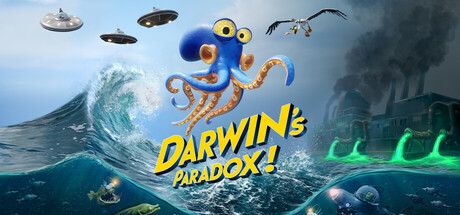
Full Name: Darwin’s Paradox!
Release Date: April 2, 2026
Released on: Nintendo Switch 2, PlayStation 5, Xbox Series X|S, PC
Cross Play: No
Initial thoughts
My parents in law got me this game because they know I like octopods, which already made this one feel personal before I even started. If a game puts a clever little octopus in the spotlight, I am at least going to look at it. If that octopus then gets thrown into a stealth platforming adventure full of aliens, puzzles, danger, and ocean draining nonsense, then yes, I am absolutely diving in with fervor.
And that is exactly what happened. I started the game, got hooked quickly, and then basically slew through it in just a few hours. That is both a compliment and one of the biggest problems. The game is fun. The game delivers. The game absolutely understands the appeal of being a squishy little cephalopod menace sneaking through hostile territory. But it is also over far too quickly.
It is one of those games where the ending arrives and you are not thinking, good, that was enough. You are thinking, wait, already? That hurts a little, because the core experience is charming enough that I wanted more levels, more puzzles, more octopus chaos, and more time with Darwin’s slippery little adventure.
Story and setting
Plot overview
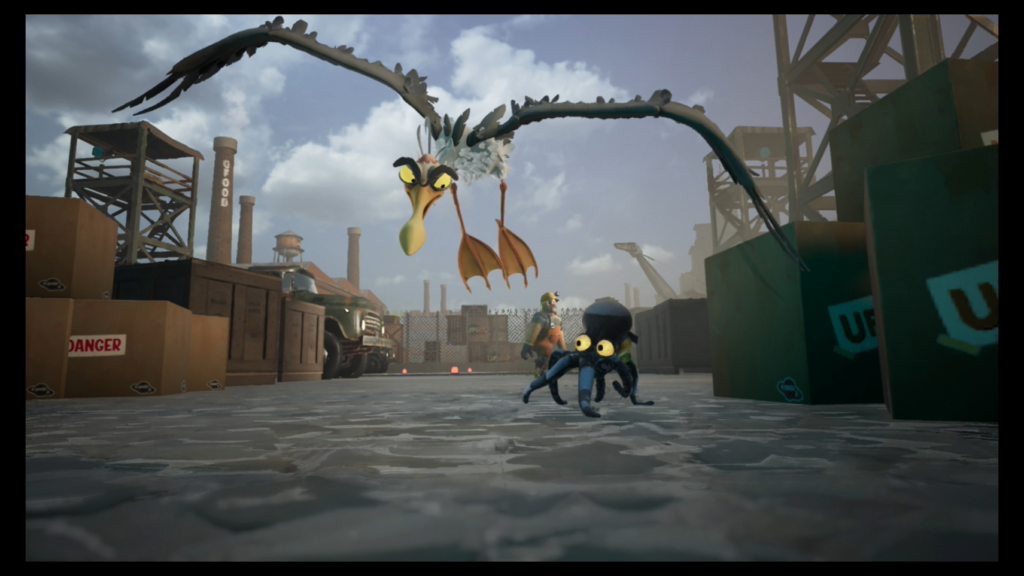
The story is simple, silly, and effective. Octopods live freely in the ocean, minding their many armed business, until one poor octopus gets kidnapped. Darwin, after suffering what can only be described as octopus head trauma, ends up chasing the problem straight into a rescue mission. From there, things escalate into alien nonsense, corporate ocean draining evil, and a surprisingly fun little adventure about one octopus causing absolute havoc in places where no octopus should ever be.
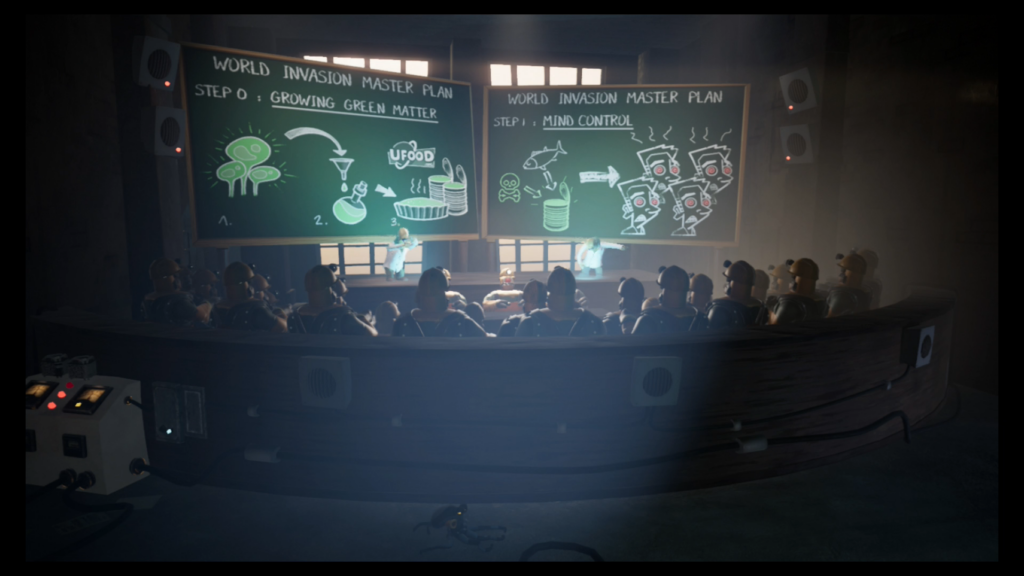
The official premise focuses on Darwin being abducted and dragged into the UFOOD corporation’s dangerous operations, with experiments, mind control, and extraterrestrial invasion elements pushing the adventure forward. That is exactly the kind of ridiculous setup this game needs. It is not trying to be a giant dramatic epic. It is trying to be a cinematic, funny, slightly dangerous octopus escape, and it mostly succeeds.
World building and immersion
The world works because it is hostile to Darwin in a very immediate way. This is not an environment designed for him. It is a machinery filled, alien controlled, industrial nightmare full of things that want to capture, crush, cook, or otherwise inconvenience the poor little octopod. That contrast between Darwin’s natural abilities and the artificial spaces he has to survive in gives the game a strong identity.
The setting also has a fun retro sci-fi flavor. The aliens emptying the oceans because of course they are aliens gives the whole thing a silly but satisfying Saturday morning cartoon energy. It is not subtle, but it is effective. The world feels built around the joke and the danger at the same time, which is exactly the right balance for a game about a heroic octopus sneaking through a hostile facility.
Character development
Darwin does not need to speak to have personality. His movement, reactions, animations, and general why is this happening to me? Energy does a lot of work. He feels clever, panicked, determined, and just slippery enough to survive.
That said, because the game is short, character development can only go so far. There is enough personality to make Darwin memorable, but not enough runtime to fully deepen the cast or let the rescue story become as rich as it could have been.
Emotional impact
The emotional impact comes from wanting Darwin to survive and reunite with his fellow octopod. The game does not need long speeches or dramatic monologues to make that work. Darwin is expressive, vulnerable, and constantly in over his head, which makes the player root for him almost instantly.
The rescue angle also helps. Finding another octopus and setting her free is genuinely satisfying, not because the story is complex, but because the game sells the simple emotional truth of it: octopods should not be trapped by weird alien corporations. Release the tentacles. Let them wiggle.
Rating for story and setting
I have visited multiple aspects of the story, and after some thought and objective thinking, I rated the story and setting with a 7.5.
Gameplay and mechanics
Core gameplay mechanics
The easiest way to describe the game is: mix Metal Gear Solid with octopods, then add puzzles, platforming, and a bit of cartoon chaos. Darwin sneaks, hides, climbs, solves environmental puzzles, uses natural octopus abilities, and tries very hard not to become calamari. Konami specifically describes the game as a cinematic action adventure full of puzzles and danger, while coverage of the game highlights abilities like camouflage, ink, and climbing.
That combination works well. The stealth elements are fun because Darwin is naturally suited for sneaking, squeezing, and using the environment. The puzzles are enjoyable without being too obscure, and the platforming gives the game enough physical energy to avoid feeling like a slow stealth only title.
The best part is that the game understands its protagonist. You are not a normal hero with a gun. You are an octopus, and the mechanics are built around that. That alone gives the experience a charm most platformers do not have.
Difficulty and balance
The difficulty is fair overall. It has some harsh moments, and there are places where trial and error creeps in, but it rarely feels cruel. The game generally wants players to observe, experiment, and use Darwin’s abilities smartly rather than brute force everything.
Because the game is short, the difficulty curve never gets to fully bloom. It introduces ideas, builds them a bit, and then the adventure is nearly over. That is the main frustration. The balance is fine, but the mechanics feel like they deserve more time to develop.
Pacing of the game
The pacing is fast and enjoyable but also too compressed. The game moves from idea to idea quickly, which keeps it engaging, but it also means some mechanics feel underused. Other reviewers have also pointed out that Darwin’s stealth octopus abilities are charming but sometimes underused in a short puzzle platforming structure.
That lines up strongly with my own experience. I had fun almost the whole way through, but it felt like the game was only just starting to show what it could do when the credits approached. That is frustrating in the I wanted more way, not the this is bad way.
Innovation and uniqueness
The octopus angle gives the game immediate uniqueness. There are plenty of puzzle platformers and plenty of stealth games, but not many where the main character is a squishy octopod using natural cephalopod tricks to survive alien nonsense. That is a strong hook.
The game does not completely reinvent the genre, but it has enough identity to feel fresh. The stealth, puzzle, and platforming pieces are familiar separately, but the octopus wrapper makes the whole thing feel much more memorable.
Controls and user interface
Controls are mostly solid. Darwin moves with the slightly awkward charm you would expect from an octopus, but not so awkwardly that the game becomes annoying. Climbing, sneaking, and puzzle interaction generally feel good enough to support the adventure.
The UI stays out of the way, which suits the game. It wants you focused on Darwin, the environment, and the immediate danger rather than menus.
Microtransactions
None. Just octopus, danger, aliens, and betrayal against the sea.
Rating
After combing through many of the mechanics, the pacing, and other factors of this game, I rated the gameplay and mechanics with a 7.5.
Graphics and art style
Quality of graphics and art direction
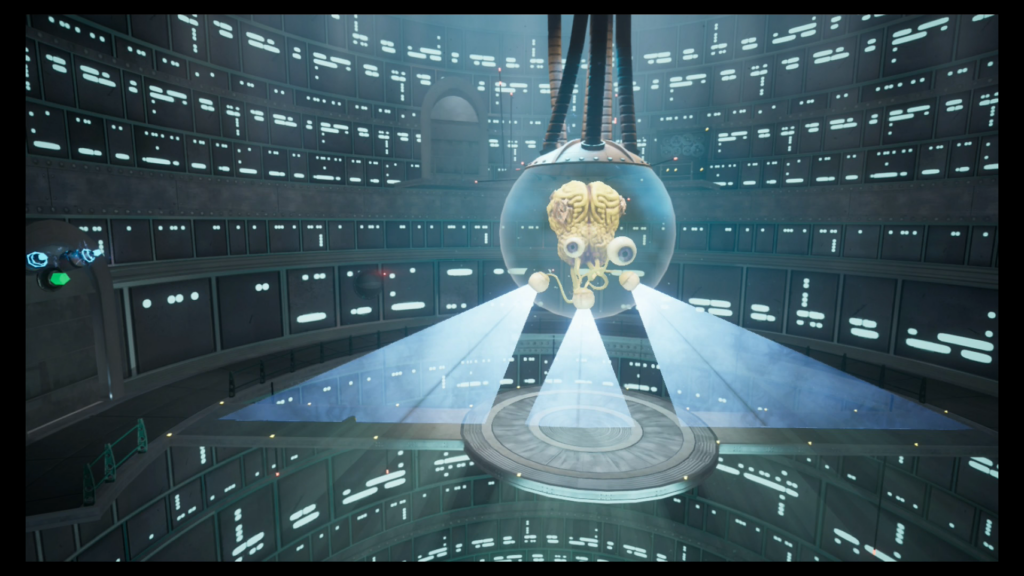
Visually, this game is a treat. The levels are colorful, clean, and full of personality, while Darwin himself is expressive enough to carry the entire adventure. The animation does a lot of work in making him feel alive. You can feel the effort put into making an octopus protagonist look vulnerable, clever, and ridiculous all at once.
The industrial alien setting also gives the game a strong contrast. Darwin is soft, organic, and oceanborn. The world around him is hard, mechanical, and hostile. That visual tension helps the whole game feel more coherent.
Technical performances
The game ran well enough for me to enjoy it without major issues taking over the experience. The visual presentation is polished, and Konami marketed it as a cinematic action adventure, which fits the clean, animated feel of the final game.
Environment and design uniqueness
The environments are fun to explore, and the alien/corporate setup gives the game room for puzzles, stealth sections, and strange machinery. I especially enjoyed the idea that the villains draining the oceans are aliens, because of course they are. It is silly, but it fits perfectly.
Still, the short runtime means the environmental ideas do not get pushed as far as they could. The game has enough variety to entertain, but not enough length to fully satisfy.
Rating
It took me some time to give the graphics and art style an objective rating. There are many things to consider, but ultimately, I rated this section with an 8.0.
Sound and music
Music score and how it contributed to the game
The music is sneaky, playful, and fitting. It supports the stealthy octopus adventure without overpowering it. The soundtrack helps the game maintain that mix of danger and absurdity, which is exactly what a story about an abducted octopus fighting alien ocean thieves needs.
Sound effects quality
Sound effects are strong enough to support both stealth and puzzle interaction. Environmental sounds, machinery, alien activity, and Darwin’s movements help sell the feeling that this little octopus is sneaking through places he absolutely should not be in.
Voice Acting
Voice acting is not the main attraction here. The game leans more on animation, timing, and visual storytelling than heavy dialogue. That works, because Darwin’s personality comes through clearly without needing him to explain his eight armed feelings every five minutes.
Rating
After a lot of consideration, I rated the sound and music section with a 7.5.
Replayability
Game Length and content volume
This is the biggest weakness. The game is way too short. Some coverage has estimated the experience around a few hours, with optional collectibles adding a bit more, and that matches the feeling of a compact adventure that ends before its mechanics fully blossom.
A short game is not automatically bad. The problem here is that the game is fun enough to make the shortness sting. It feels like the first act of something larger, especially with the way it ends.
Extra Content
There are secrets and collectibles to return for, but there is not enough extra content to make the game feel large. The foundation is strong; the amount of game built on top of it is the issue.
Replay value
Replayability is moderate. You can go back to find secrets if you wish, and the game’s charm makes the idea of a second playthrough pleasant. But I personally did not feel an immediate need to hunt down everything after finishing. The main drive was the adventure itself, not completion.
That said, I could absolutely see myself doing another playthrough later. Sometimes short games are better when revisited after a break, and this one has enough charm to make that likely.
Rating
After thoughtful consideration, I decided to rate the replayability and game length of Darwin’s Paradox with a 6.8.
Suggestions and comparisons
Suggestions and feedback
The biggest suggestion is obvious: make the next one bigger. The game ends on a cliffhanger that heavily suggests a part two, and I genuinely hope that happens. But if it does, the sequel needs more levels, more developed mechanics, more puzzle variety, and more time to let Darwin’s abilities shine.
I would also love to see more cooperative octopus moments. Finding and freeing another octopus was one of the best parts, and the idea of working together with another octopod could be expanded beautifully.
Comparisons
The stealth side gives it a light Metal Gear Solid flavor, while the cinematic platforming and puzzle structure put it closer to games like Inside, Little Nightmares, or Oddworld in spirit. It is not as dark as some of those, but it shares that small vulnerable creature in a hostile world feeling. The octopus angle gives it its own identity.
Personal experiences and anecdotes
Finding the other octopus and setting her free was a genuinely fun moment. It felt like the game understood exactly what I wanted from the premise: not just stealth and puzzles, but octopod solidarity. The little cooperative moments helped the world feel less lonely and made the rescue mission more satisfying.
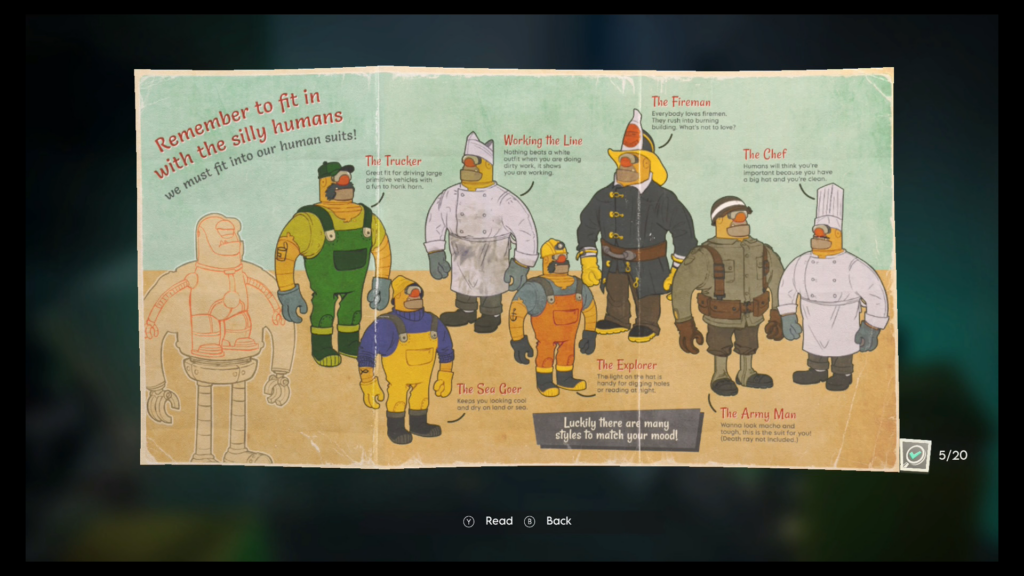
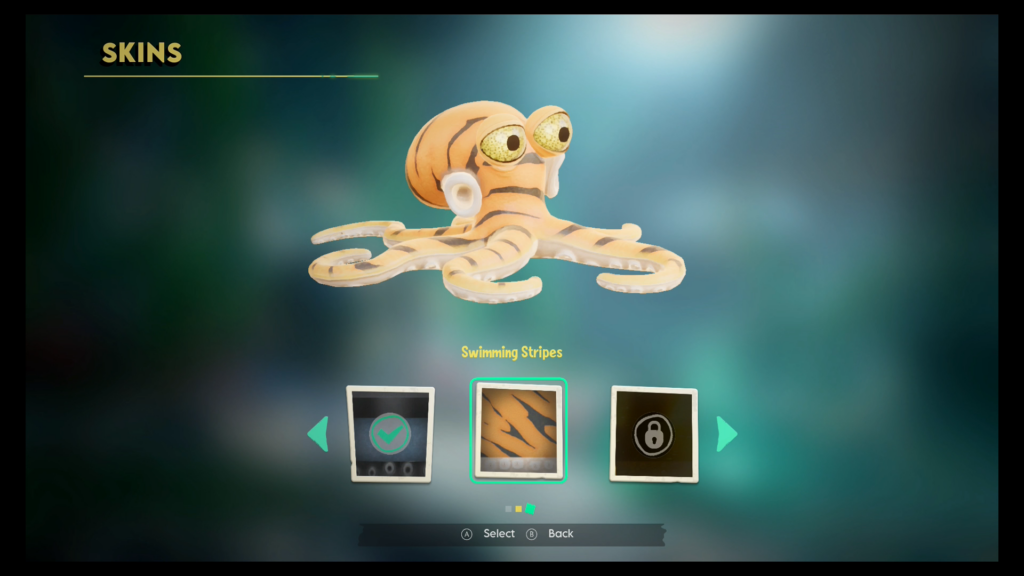
The puzzles were also genuinely enjoyable. They were not so hard that they ruined the flow, but they asked enough of me to stay engaging. My wife also liked the idea of my octopus wearing a snake costume, which is exactly the kind of ridiculous detail that gives a game charm.
And honestly, the game being too short is the biggest compliment and complaint at once. I wanted more. That means it worked. But it also means the game did not give me enough of the thing it was doing well.
Rating
Taking in all the personal experiences with Darwin’s Paradox, I give it a personal rating of 7.5.
Last words
Pros
- Wonderful octopus protagonist
- Fun stealth platforming mix
- Strong puzzle design
- Charming animation and expression
- Great alien/ocean draining setup
- Enjoyable rescue mission premise
- Snake costume is excellent nonsense
- Levels are fun while they last
- The game has a strong identity
Cons
- Way too short
- Ends too abruptly
- Mechanics feel underused
- Secrets alone do not add enough longevity
- Feels like part one rather than a complete feeling whole
Darwin’s Paradox is a charming, clever, octopus filled adventure that absolutely delivered fun while it lasted. The stealth, puzzles, animation, and general cephalopod chaos all work, and Darwin is a wonderful little hero. The problem is simply that the game ends too soon.
It feels less like a full feast and more like a very tasty octopus appetizer. I had fun, I smiled a lot, and I wanted more tentacles immediately.
FINAL RATING

7.3
Please let me know what you think of Darwin’s Paradox in the comments!
I hope you enjoyed reading this review. I hope to see you in the next review!
If you liked reading this review, maybe you would like to share this review with your friends.
As I told Fluffy, I though of all games this review would of been posted day1 of release. It’s a nice game but just too short.
We would have posted it earlier, but other games were already planned before that.
Too bad this game is short because otherwise it sounds perfect for me. I know that the story though short has emotional impact and that the sneaking parts are decent and the gameplay is fun.
The sneaking was a lot of fun!
It’s really sweet that your in laws got this game for you! And it’s good to see that you had a fun time with it despite how short it was.
Thanks for highlighting this game! 😄
Maybe you could enjoy it one day as well!
There’s worse things than a good, short game. Hopefully we get some DLC, an expansion, or a 2nd, longer game in the series.
A second longer game would indeed be nice.
I guess the main criticism being the game too short is a compliment in a way?
It kind of is!
well short game is a charm for reduce the time playing the game until finish and we can also have sometimes for other games as well
More games is always good!
It sounds like a really good game!
I don’t come across many games these days that make me genuinely want to keep playing, but when I do, they’re usually something special. So I completely understand how you feel!
And those games usually are short.
Really fun game. It should become the site’s mascot 🙂
nice one!
This one looks extremely cute and fun. Sad it’s so short, but maybe giving it enough love will spawn a part 2 <3
We do need a part 2!
That sounds really interesting. Who knows? Maybe they left some over of the gameplay for another entry? 😏
Yeah, that would be nice!
Seems like the next game will be Darwins Space Paradox
That might just be the name of the game, lol.
It’s not old good game type which you can find back in day in a newspaper?
It does have old game vibes.
I saw that game at same site and thought about claiming it. However honestly final decision was to take it, but not for me, for someone else who will enjoy it more, cuz despite that it may look charming, seems like not exactly my favourite style, cuz I prefer games with fighting, while that game is focused on hiding.
However I think that game’s length isn’t such big drawback if you don’t have much time.
You rather have a fighting octopus!
Apparently, there are some parts of the game that aren’t all that easy. For those who aren’t experts, this can add to the playing time.
That can indeed add to the playing time!
The exploration puzzles look very fun, and it’s especially nice as a nod to how octopus really do love to solve puzzles! “Small vulnerable creature in a hostile world feeling” sounds very interesting! The size of the environments and industrial world around the octopus make it that much more satisfying when they find a way to overcome it and escape! Nice commentary on how scary our world is becoming to animals (and ourselves) too!
I am glad you like the review!
Would much rather play a well made short game then a badly made larger game. Also I hope you get an achievement called “The Darwin award” for somehow suffocating in water hehe.
Lol, I also like small good games a lot more!
Amazing game, amazing setting, nice puzzles and stealth game, seems amazing, too bad its not longer i guess, but they chose to not let the longevity ruins what they made which can also happen so its not so bad
We need a second game!
When parents in law know you well. 😀
Btw, sometimes short games are cool for being short, but I still see the reason for lower score when it ends too soon. For example, it held potential for more, but was abruptly ended.
Yeah, I have known them for almost 18/19 years now?
Looks like a cool game worth a second part, with some improvements and making it longer
They should indeed make a better longer game now!
I am really interested in playing this game after reading this review as I think it would be quite a fun and enjoyable experience 🙂
Maybe you can grab it in a sale sometime?
First I had the impression this is a game like OctoDad but acording to this review the gameplay is nothing similar to that. Cliffhanger endings are not nice!
We need more playtime!
Short games are great for people with busy lives.
Looks cool. Also pluses for stealth and originality. PS – i dont allow eating octopuses, they are doing more then fine here 🙂 I think it deserves positive rating despite short lenght.
It is indeed a fun positive game.