
Introduction
Basic information
Developer Name: LocksmithArmy
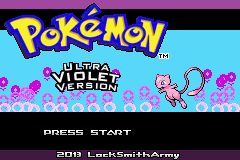
Full Name: Pokémon Ultra Violet Version
Release Date: Originally released as a fan made ROM hack, with version v1.22 updated on June 10, 2018
Released on: Game Boy Advance ROM hack of Pokémon FireRed, played through emulator
Cross Play: No
Initial thoughts
I played Pokémon Ultra Violet on my phone through an emulator, which is basically the usual way to experience ROM hacks. This is a ROM hack based on Pokémon FireRed, and at first glance, it does not completely reinvent the game. You are still going through Kanto, still beating gym leaders, still dealing with Team Rocket, still becoming Champion, and still following the familiar structure of one of the most classic Pokémon adventures.
But the real strength of Pokémon Ultra Violet is not that it changes everything. The strength is that it fixes one of the biggest annoyances of older Pokémon games: the inability to catch everything in one game.
That single change makes a huge difference.
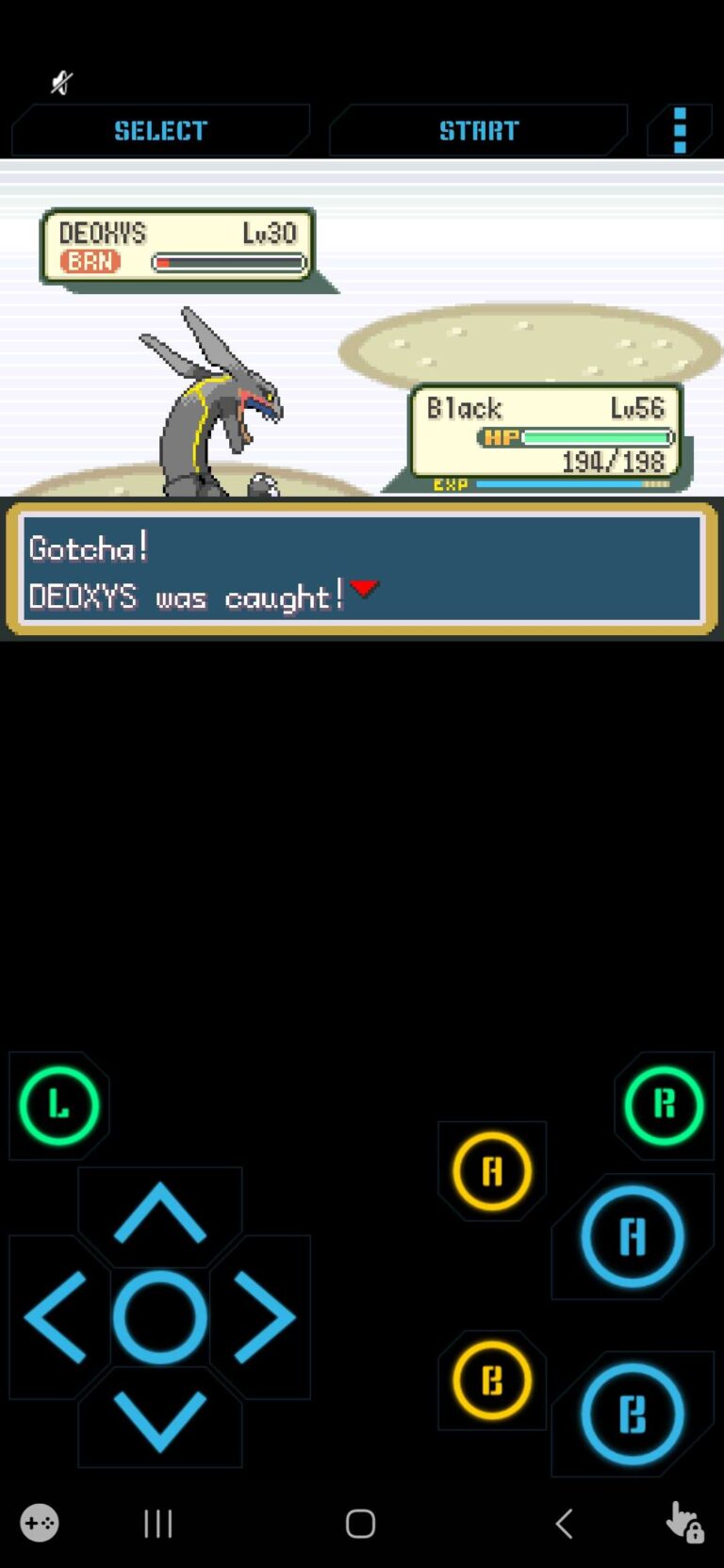
For once, you do not need a second version. You do not need trading. You do not need another cartridge. You do not need to jump through official release nonsense just to finish the Pokédex. You can actually catch all Pokémon in this one game, and for a completionist, that is massive. It nearly took me 80 hours, but I finally did it. I filled the Pokédex, got the final Pokémon, and ended the journey with a shiny Jirachi. That was a fantastic way to close the hunt.
Story and setting
Plot overview
The plot is mostly the same old, same old Pokémon FireRed story. You start as a young trainer, leave home, receive or catch your first Pokémon, battle through Kanto, defeat gym leaders, stop Team Rocket, challenge the Elite Four, and aim to become the very best like no one ever was.
There are small changes and extra additions, but this is not a story focused overhaul. If you are coming into Ultra Violet expecting a brand new region, a rewritten villain team, dramatic new characters, or a completely different narrative, this is not that kind of ROM hack. It is still FireRed at its core.
That works in its favor and against it. On the positive side, FireRed is a comfortable foundation. It is familiar, easy to understand, and still enjoyable. Kanto remains one of the most iconic Pokémon regions, and the basic adventure still has charm. There is something timeless about starting with little more than a weak Pokémon and slowly building a team strong enough to take down the Elite Four.
On the negative side, the story does not surprise much. Because the plot is mostly unchanged, the biggest excitement does not come from narrative twists. It comes from catching Pokémon, finding rare encounters, discovering where the hack placed certain species, and slowly filling the Pokédex.
In that sense, Ultra Violet is not really a story upgrade. It is a completionist upgrade.
World building and immersion
The world of Ultra Violet benefits from already being built on Kanto. Kanto is simple, direct, and easy to navigate. Towns, routes, caves, gyms, and landmarks are familiar, and that familiarity helps the game feel comfortable. You know what kind of journey you are on, and the hack does not try to throw away what made FireRed work.
The big improvement is the way the world has been adjusted to support a full Pokédex. Pokémon that were previously version exclusive, trade exclusive, event only, or locked behind other games are now made obtainable. That makes the world feel more complete. Instead of Kanto feeling like only part of a larger official Pokémon machine, it becomes a self-contained collecting adventure.
The new island helps a lot. 4-Points Isle gives the hack its own identity and provides a place for many of the additional Pokémon and events to exist. It is not just a tiny gimmick; it is one of the most important additions because it supports the entire purpose of the hack. Without that added area, catching everything would feel more forced. With it, the game has a stronger sense of expansion.
Character development
Character development is mostly the same as FireRed, which means there is not much of it. The player character is a silent trainer, the rival is the usual rival, and most gym leaders are more like iconic obstacles than deeply developed characters. This is classic Pokémon structure.
That is fine for what the game is. The focus is not on character arcs. The focus is on your growth as a trainer and collector. Your real development comes from your team, your Pokédex, and your knowledge of the hack.
By the end, your character has not changed much in story terms, but your collection has grown massively. You go from a normal trainer starting out in Kanto to someone who has caught all 386 Pokémon available in the hack. That is the real progression.
Emotional impact
The emotional impact of Pokémon Ultra Violet comes from completion. This is not a game that hits hard because of a deep story scene or a dramatic character death. It hits because it lets you finally do the thing Pokémon has always promised but often made annoying: catch them all.
Finishing the Pokédex felt amazing. After nearly 80 hours of searching, catching, evolving, breeding, trading in game, and chasing down missing Pokémon, seeing the collection complete was extremely satisfying. It turned the adventure into a real hunt rather than just another run through Kanto.
The shiny tiles also add excitement. Seeing shiny Pokémon that I had never really seen properly in the normal games made the journey more fun. It created little moments of surprise and made the collecting side feel more special.
Rating for story and setting
I have visited multiple aspects of the story, and after some thought and objective thinking, I rated the story and setting with an 7.
Gameplay and mechanics
Core gameplay mechanics
The core mechanics are exactly what you expect from FireRed, with the added joy of a completable Pokédex. Battles use the classic turn based system, Pokémon have abilities, natures, movesets, types, and evolutions, and progression follows the familiar badge structure.
The catching loop is where the hack shines. Because everything is obtainable, every area becomes more interesting. You are not simply moving through routes to reach the next gym. You are checking encounters, planning captures, and thinking about the long-term Pokédex.
The new island is one of the best gameplay additions. It gives the hack room to place extra Pokémon and events without completely destroying the original Kanto flow. It also makes the game feel like more than just a location edit.
The shiny tile mechanic is also a fun addition. It gives shiny hunting a clearer structure and allows players to see many shiny forms they may never have encountered in the official games. For me, that was a very enjoyable part of the experience.
Difficulty and balance
The main story difficulty is still manageable because this is based on FireRed. If you know Pokémon, you will know what to expect. Gym leaders, Team Rocket, rival battles, and the Elite Four follow familiar patterns.
The real difficulty comes from completion. Catching all 386 Pokémon takes patience. Some encounters are rare. Some evolutions are slow. Some Pokémon require breeding chains or specific items. Some areas require careful checking. It becomes less about beating the story and more about surviving the Pokédex grind.
The lack of proper level scaling is one of the biggest problems. Once you start focusing on completion, the game does not always provide smooth ways to train weaker Pokémon or evolve everything efficiently. You can beat the main game and still have a mountain of grinding left.
Better grind spots would have helped a lot. When a hack encourages catching and evolving every Pokémon, it should also provide more tools to make that process less painful. The concept is excellent, but the grind can become heavy.
Pacing of the game
The pacing depends heavily on how you play. If you just want to beat the story, the pacing is close to regular FireRed. It is familiar, comfortable, and moves well enough. But if you want to complete the Pokédex, the pacing slows down dramatically.
That is exactly what happened to me. The full journey nearly took 80 hours. That is not necessarily a bad thing, because the goal was huge and satisfying, but there were definitely moments where the grind dragged. Catching, evolving, breeding, and tracking missing entries can become a lot.
Innovation and uniqueness
For a ROM hack, Ultra Violet has a very focused and effective innovation: make FireRed complete. It does not try to become a brand new game. It takes a beloved official game and fixes a major limitation.
That sounds simple, but it is powerful. Pokémon has always pushed the idea of catching them all while also making that impossible without trading, events, or multiple versions. Ultra Violet removes that barrier and turns the game into a true solo completion journey.
The shiny tiles also give the hack extra personality. They are not just a quality of life tweak; they change how players interact with shiny hunting. Seeing many shiny forms that I had never seen before made the game feel fresh despite being built on familiar Kanto.
Controls and user interface
The controls are classic Game Boy Advance Pokémon controls. Since I played on my phone through an emulator, the experience depends partly on emulator quality and touch controls. That is always a little different from playing on original hardware or a controller.
The base interface is still clear enough. Menus, bags, Pokémon summaries, boxes, battles, and moves all function like FireRed. However, when trying to complete the entire Pokédex, the old interface can feel limited. Box management, item tracking, breeding, and evolution planning are not as smooth as modern Pokémon games.
Microtransactions
There are no microtransactions. This is a fan made ROM hack, not a modern live service game. No paid currency, no premium balls, no shiny pass, no buy 20 Rare Candies for €4.99 nonsense.
Rating
After combing through many of the mechanics, the pacing, and other factors of this game, I rated the gameplay and mechanics with a 8.
Graphics and art style
Quality of graphics and art direction
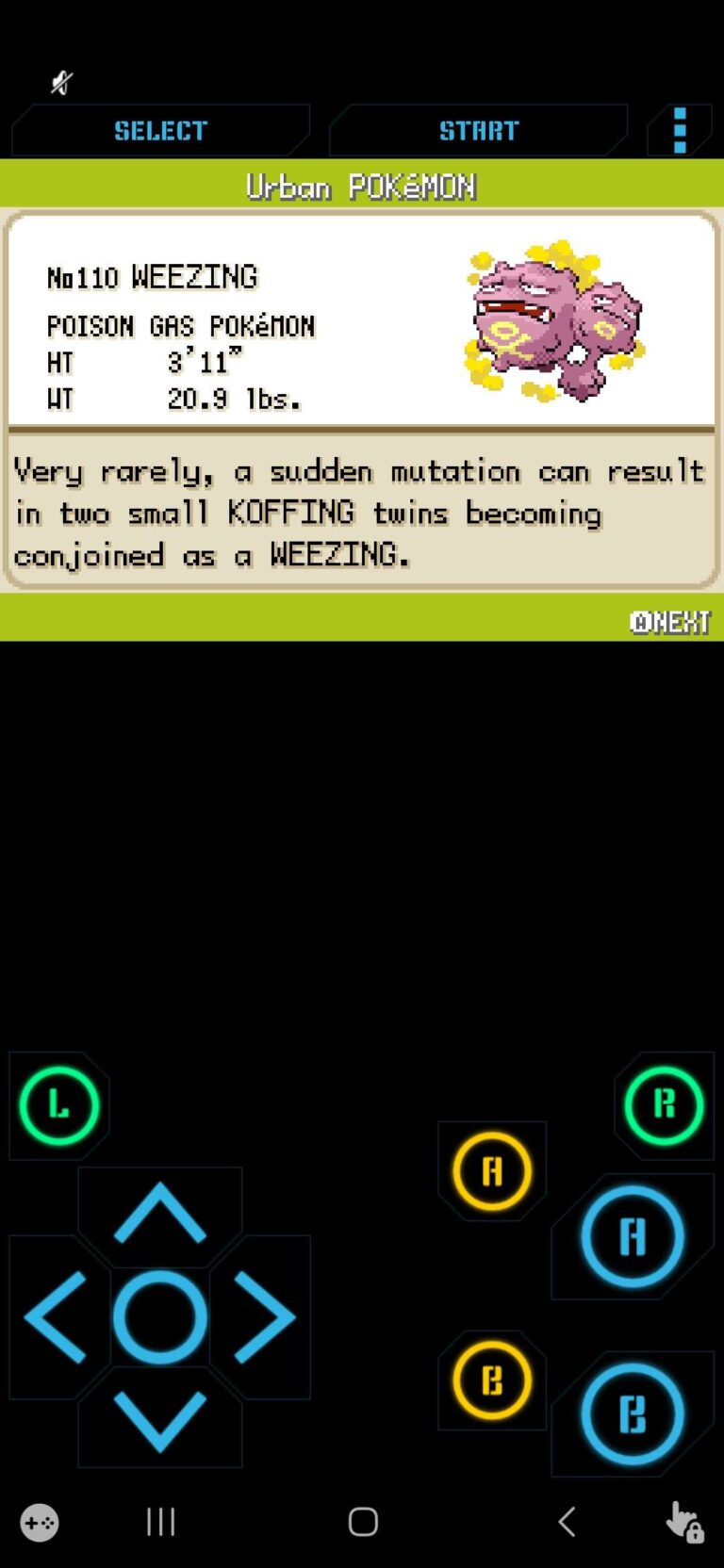
The graphics are still classic FireRed, which means they hold up well for a Game Boy Advance Pokémon game. Kanto is colorful, readable, and familiar. Towns, routes, caves, and battle screens all have that clean third generation Pokémon look.
The biggest visual treat comes from seeing so many shiny Pokémon. In normal Pokémon games, many shiny forms are easy to miss because the odds are so low. Ultra Violet makes it more reasonable to actually see and collect shiny Pokémon, and that gave the game a lot of extra charm for me.
Technical performances
Performance was solid, especially through emulation. Since this is built on FireRed, it runs smoothly on most devices that can handle Game Boy Advance emulation. Playing on a phone worked well, and that made the long Pokédex grind more convenient.
The technical side of the hack is impressive because it manages to fit so much extra availability into the FireRed framework. Getting all 386 Pokémon obtainable in one game is not a small adjustment. It requires encounter changes, event changes, item access, and extra areas.
Environment and design uniqueness
Most of the environment design is still Kanto, so it is familiar rather than new. However, the new island gives the hack a stronger identity. 4-Points Isle is important because it creates space for additional Pokémon and events while giving completionists a new area to explore.
The new area helps the hack feel less like a basic encounter edit and more like a proper expanded version of FireRed. It gives players a reason to explore beyond the usual Kanto path and helps support the complete Pokédex goal.
The environmental uniqueness is not massive, but it is meaningful. This is still Kanto, just expanded in a way that serves the hack’s purpose.
Rating
It took me some time to give the graphics and art style an objective rating. There are many things to consider, but ultimately, I rated this section with a 8.0.
Sound and music
Music score and how it contributed to the game
The sound and music are great, as always. FireRed already has a strong soundtrack, and Ultra Violet keeps that familiar audio identity. The battle themes, town music, route music, gym leader theme, and Elite Four music still work well.
The music also carries a lot of nostalgia. Hearing those tracks while working through Kanto again made the adventure feel comfortable. It is the kind of soundtrack that instantly puts you back into classic Pokémon mode.
Sound effects quality
The sound effects are the classic Pokémon sound effects, and they still do their job. Battle cries, move sounds, menu sounds, healing sounds, and capture effects all carry that familiar Game Boy Advance charm.
Hearing the Poké Ball shake is still tense when you are catching something rare. Hearing the evolution theme after grinding a Pokémon for ages still feels rewarding. Hearing the healing jingle after a long route still feels like relief.
Voice Acting
There is no voice acting, which is normal for a Game Boy Advance Pokémon game. The game does not need it. The charm comes from the music, sound effects, sprites, battles, and the player’s own adventure.
Rating
After a lot of consideration, I rated the sound and music section with an 8.5.
Replayability
Game Length and content volume
The content volume is much larger than normal FireRed if you are aiming for completion. The main story may be familiar, but the expanded Pokédex goal transforms the experience. Suddenly, the game is not just about beating the Elite Four. It is about finishing everything.
The new island adds content, and the adjusted Pokémon availability gives every part of the game more purpose. Routes, caves, water areas, breeding, fishing, evolution stones, rare encounters, and special events all become part of a bigger hunt.
However, the game could have used more support for that content volume. More training areas, better late game grind options, and clearer completion tools would have made the process smoother. The game gives you the mountain but not always the best climbing gear.
Extra Content
The best extra content is the complete Pokédex itself. That is the real endgame. Breeding for missing Pokémon, evolving difficult lines, finding rare encounters, and tracking down the last few entries made the adventure feel huge.
The shiny Jirachi at the end was also a fantastic final reward. It gave the completion journey a memorable finish and made the long grind feel special.
The Elite Four can also be challenged repeatedly, and players who enjoy training teams or hunting more shinies can keep playing. The hack does not have modern post game systems, but it has enough completion based content to last a long time.
Replay value
Replayability is strong, but it depends on what kind of Pokémon player you are. If you enjoy catching everything, shiny hunting, and building a complete collection, Ultra Violet has a lot to offer. If you only want to beat the story once, then it is mostly FireRed with extra availability.
The main reason to replay or continue playing is the full Pokédex. Completing all 386 Pokémon is a huge project. It nearly took me 80 hours, and that was with serious dedication. There is a lot to track, a lot to evolve, and a lot to clean up.
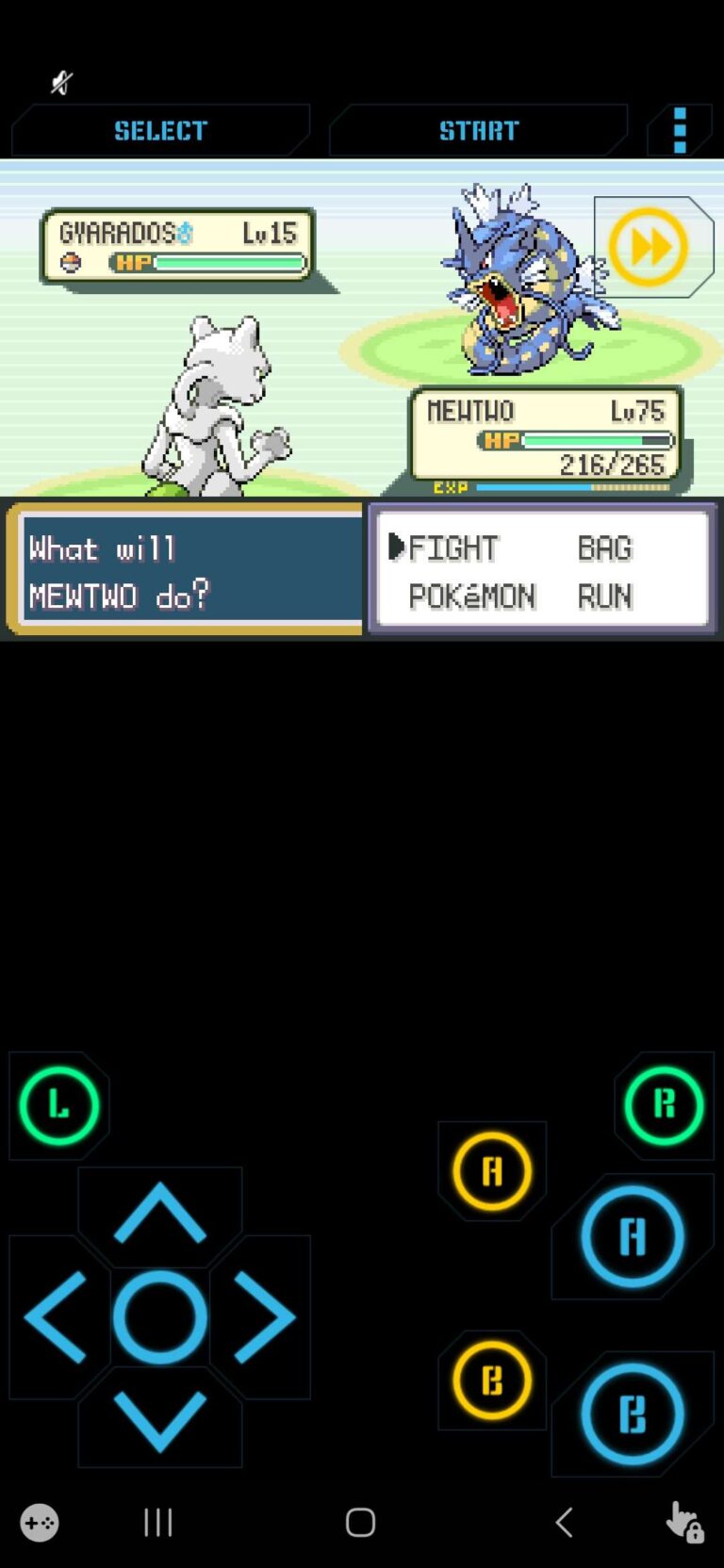
Shiny hunting also adds replay value. The shiny tiles make it more realistic to collect shiny Pokémon, and that can become a whole separate goal. If someone wants to build a shiny collection, this hack gives them a much better path than the official games usually do.
Rating
After thoughtful consideration, I decided to rate the replayability and game length of Pokémon Ultra Violet with an 8.5.
Suggestions and comparisons
Suggestions and feedback
The biggest improvement would be proper level scaling. If the game encourages players to catch and evolve all 386 Pokémon, it should also provide better ways to train them. Late game grinding should be smoother, especially for weaker Pokémon that need many levels before evolving.
More dedicated grind spots would also help. A strong trainer rematch area, better EXP options, or a late game training facility would make the completion journey much less tiring.
Evolution support could also be improved. Since many Pokémon need stones, friendship, breeding, or special conditions, the game should make those resources easier to manage. The goal is to complete the Pokédex, so the tools should support that goal as cleanly as possible.
Comparisons
Compared to normal Pokémon FireRed, Ultra Violet is simply better for completionists. The story is mostly the same, the world is mostly the same, and the core gameplay is mostly the same, but the ability to catch everything changes the entire experience.
Compared to official Pokémon versions, this hack respects the player’s time in one specific way: it does not force multiple games or trading. Ironically, it also demands a lot of time through grinding, but at least the completion goal is possible without external help.
Compared to many ROM hacks, Ultra Violet is not trying to be the wildest or most original. It is trying to be a complete version of a classic game. That focus is what makes it work.
Personal experiences and anecdotes
The biggest personal highlight was finally getting shiny Jirachi at the end. That was an amazing reward after such a long journey. It took many steps to hatch the egg, and by that point I had already worked so hard to complete everything else.
The Pokédex completion process was a real hunt. I had to catch so many different Pokémon, breed for specific entries, evolve lines, use in game trades, track down missing species, and keep checking what still needed to be done. It was not always smooth, but it was satisfying.
There is something special about finishing a Pokédex without needing other games. Official Pokémon has often made completion feel artificially blocked. Ultra Violet removes that wall, and that made the final completion feel much better.
Nearly 80 hours is a lot, but when the Pokédex was finally complete, it felt worth it. That final shiny Jirachi was the cherry on top.
Rating
Taking in all the personal experiences with Pokémon Ultra Violet, I give it a personal rating of 8.
Last words
Pros
- You can catch all 386 Pokémon in one game.
- No trading or extra versions are needed to complete the Pokédex.
- The new island adds meaningful extra content.
- Shiny tiles make shiny hunting much more fun.
- Classic FireRed gameplay still holds up well.
- Completing the Pokédex feels extremely satisfying.
- The hack gives Kanto much more long term purpose.
- Seeing many shiny forms for the first time is exciting.
- Shiny Jirachi is a fantastic final reward.
Cons
- The story is mostly unchanged from FireRed.
- Proper level scaling is missing.
- Grinding can become very time consuming.
- There are not enough strong late game grind spots.
- Completing all evolutions can feel exhausting.
- Some rare encounters take too much patience.
- Breeding for specific Pokémon can slow the pacing.
- The old box system is not ideal for full Pokédex management.
- Some evolution items and methods could be easier to track.
- The hack could use more quality of life features.
- The new content is helpful, but not always enough to reduce the grind.
- Players who do not care about completion may not see enough difference from FireRed.
- Shiny hunting can still become repetitive.
- The final stretch of Pokédex cleanup can feel more like work than adventure.
Pokémon Ultra Violet is a fantastic ROM hack for anyone who loves classic Pokémon and actually wants to catch them all. It does not completely reinvent FireRed, and it does not need to. Instead, it takes one of the biggest frustrations of older Pokémon games and fixes it: you can complete the Pokédex in one game.
That alone makes the hack worth playing.
The journey nearly took me 80 hours, and there were definitely moments where the grind became heavy. Proper level scaling would have helped. Better training spots would have helped. More quality of life features would have made the final Pokédex cleanup much smoother. But despite those issues, I enjoyed the hunt a lot.
The new island is a great addition, the shiny tiles are fun, and finally finishing the Pokédex without needing other games felt amazing.
Pokémon is already good, and this ROM hack makes FireRed better for completionists. It is not perfect, but it gives players something the official games often refused to give: the chance to truly finish everything on your own.
FINAL RATING

8
Please let me know what you think of Pokémon Ultra Violet in the comments!
I hope you enjoyed reading this review. I hope to see you in the next review!
If you liked reading this review, maybe you would like to share this review with your friends.
Woah, didn’t think it was played on phone. 😮 That was a hard Screenshot of the Week to find!
Why did you not think that?
I do lean towards being completionist in certain aspects of games, but not in regards to the whole “gotta catch them all!” concept in creature collectors, so I probably would not get a lot out of this romhack.
Still, thanks for showcasing this one! 🙂
I was glad to showcase this game!
I always figured that’s just how Pokémon games were, but it’s nice that you can actually catch all of them within a single game.
Most of the games want to empty your wallet.
well I can watch someone playing the game but play by myself from phone i gonna say no xD battery will be consume so fast
Actually, this one barely drained the battery.
Well done on the 80 hours of grinding to get a Shiny Jirachi. It really makes you want to give this hack a go, if only for the chance to complete the Pokédex.
A complete Pokédex is indeed awesome!
From the moment I encountered the twin versions of Pokémon games, I could not help thinking they were just splitting one game is two to double the profit. Glad that mods allow you to experience the whole game in one go. It’s unfortunate that this mod still has a lot of cons, but to me it seems they stem from the underlying system of the original Pokémon game.
You are indeed right, and yes, they just want profit, lol.
The Pokemon GBA hacks always seem to hold up best. Sadly hacking DS roms seems to be a lot more challenging… or getting good emulators… And they rarely implement the quality of life upgrades from DS versions to GBA hacks, which is really sad, since I’ve seen it done really well.
There are some decent DS rom hacks!
gotta catch… em… AAAAALL!
It took way too long, lol.
You didn’t mention that you can choose to catch your own starter Pokemon instead of choosing one of the original 3, I found that a really neat addition.
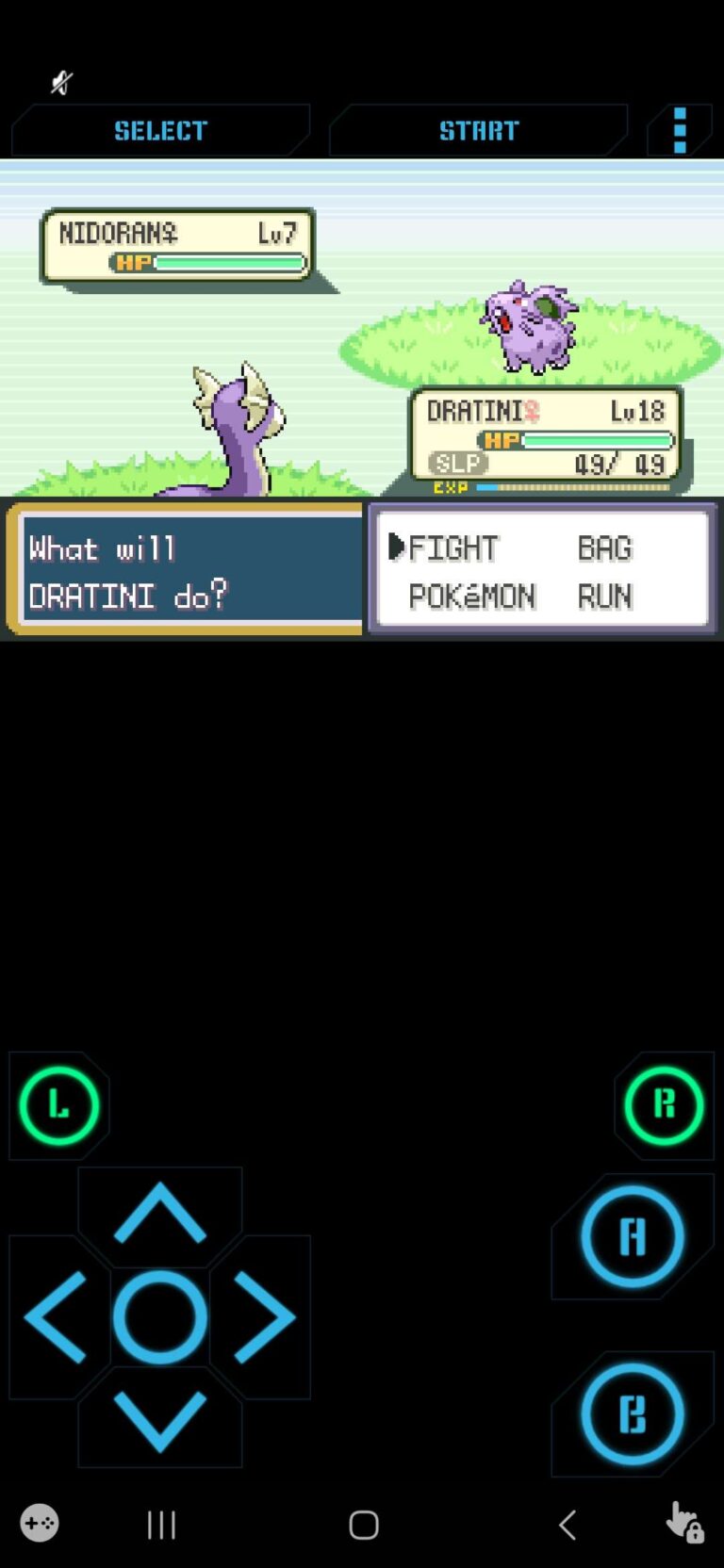
Oh, I kinda did forget that, lol. I caught a Dratini!
i didint like design, i see all black screen for just controllers o.o
This is normal for the GBA emulator.
I’ve never seriously played a pokemon game before. I love the shows but not that interested in the games..I don’t know. It feels like they’re lacking for me somewhere. Not sure if it’s the console that restricts them or their own ambition from creating a massive game with massive contents
The game does have new controls.
Shiny variants is my goal at every pokemon game. Story? Yeah, was somewhere. Im happy it have 8 rating here. 😛
Shinies are awesome!
I loved learning about this romhack as it being one that expands the limitations of the original game making it a treat for completionists and a special edition of the game made through love for the original and years of hindsight from its release 🙂
These romhacks are indeed made with love and passion.
You mentioned it in the review, and mentioned it as a con, that the story being unchanged is a bad thing. But what if you had never played Fire Red before? Would it be a better rating? 😀
Then I guess, it would be better, lol.
Level scalling could be better, but at least good that story wasn’t bad. However I feel that’s not that good as Cassette Beasts.
The level scaling was the biggest problem.
I’m not really into romhacks, but this looks like a pretty fun one. I just wish Gamefreak/nintendo would introduce some of these things into retail pokemon games.
That would be fun indeed.
For being a ROM hack seems pretty well done
It indeed is!
I can’t imagine,that It works on the phone, but It looks good in graphics and characters.
It actually works perfectly.
ULLLTRAAAAAAAAA! Just never got into Pokemon but can understand teh appeal to it.
It indeed has a lot of appeal.
It is great that it is “everything” in one game. Also making it playable on phone is important so you can play it when you are outside home. Also didnt know it is possible with it. Because of this there is petition needed to governaments for implementing bigger capacity batteries, There are Pokémon to be caught. Gotta catch ’em all!
Loved playing it on the go.
Gameplay looks good